Workshop Session 1: Speculating with Design Students
Workshop Session 1
Speculating with Design Students
Workshop Session 1: Speculating with Design Students
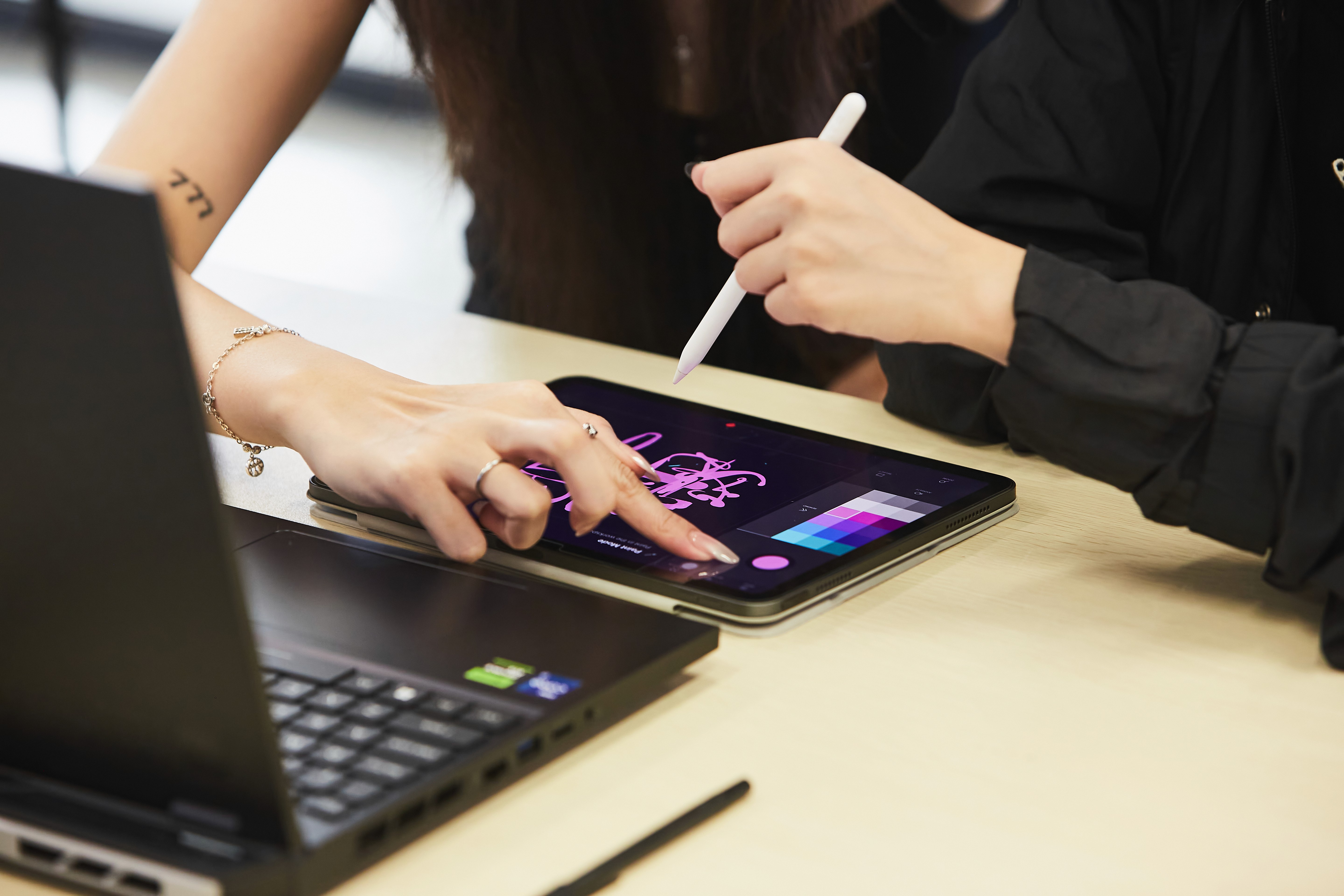
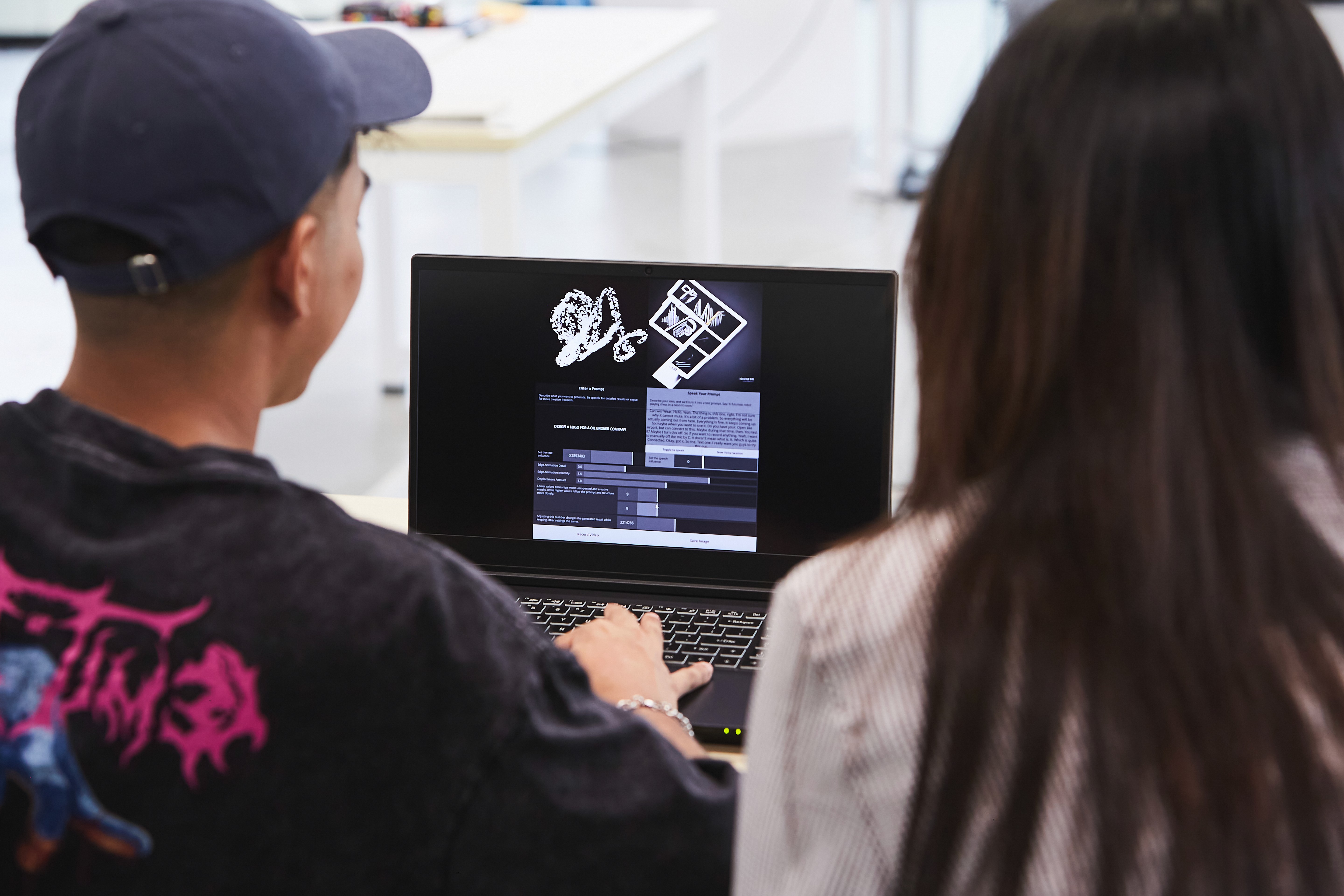
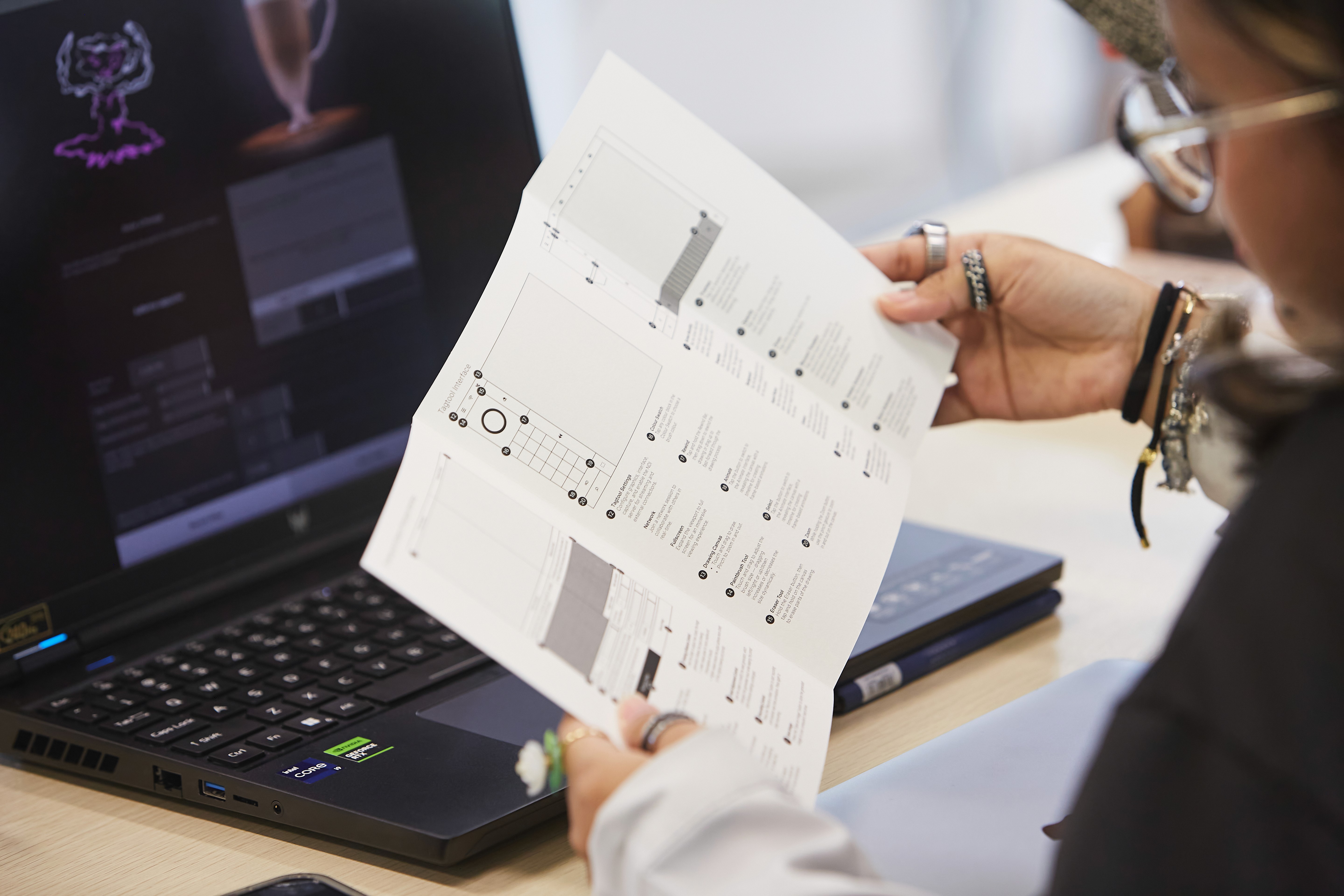
The first session of the speculative workshop was conducted with graphic design students and ran for four hours. The session began with a lighthearted icebreaker to introduce participants and create space for open exploration. Students worked in pairs throughout the session, encouraging collaborative thinking and shared reflection. They first engaged with the Drawing and Speech Prototype, experimenting with real-time multimodal interaction—combining drawing and voice—to explore new ways of co-creating with AI.
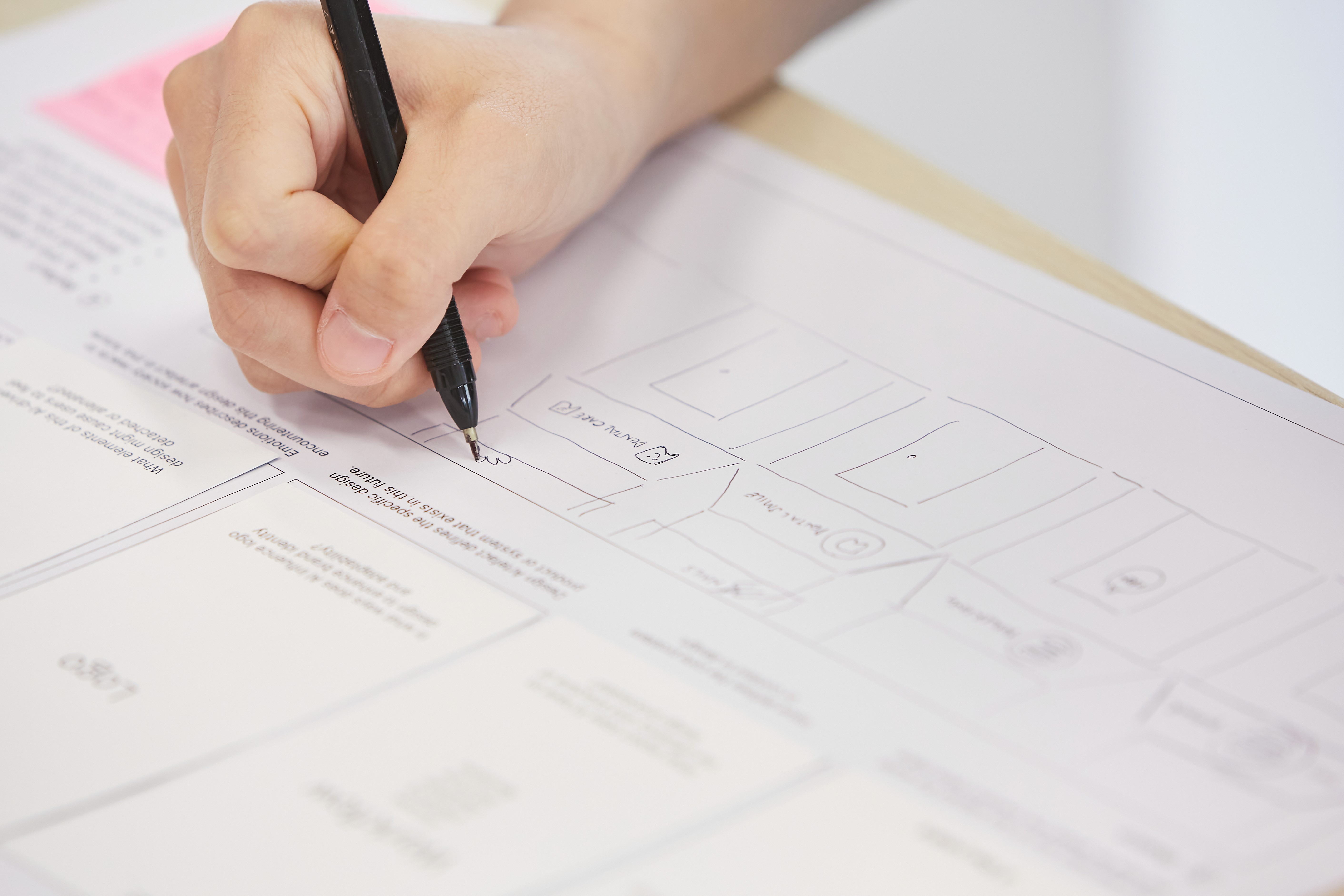
This was followed by a speculative scenario crafting exercise, where pairs reflected on their experience and imagined possible futures for AI-assisted design tools, workflows, and ethics. All visual outputs from the prototype session were refined and upscaled using TopazLabs to preserve detail and clarity for documentation and exhibition.
The first session of the speculative workshop was conducted with graphic design students and ran for four hours. The session began with a lighthearted icebreaker to introduce participants and create space for open exploration. Students worked in pairs throughout the session, encouraging collaborative thinking and shared reflection. They first engaged with the Drawing and Speech Prototype, experimenting with real-time multimodal interaction—combining drawing and voice—to explore new ways of co-creating with AI.
This was followed by a speculative scenario crafting exercise, where pairs reflected on their experience and imagined possible futures for AI-assisted design tools, workflows, and ethics. All visual outputs from the session were refined and upscaled using TopazLabs to preserve detail and clarity for documentation and exhibition.
The first session of the speculative workshop was conducted with graphic design students and ran for four hours. The session began with a lighthearted icebreaker to introduce participants and create space for open exploration. Students worked in pairs throughout the session, encouraging collaborative thinking and shared reflection. They first engaged with the Drawing and Speech Prototype, experimenting with real-time multimodal interaction—combining drawing and voice—to explore new ways of co-creating with AI.
This was followed by a speculative scenario crafting exercise, where pairs reflected on their experience and imagined possible futures for AI-assisted design tools, workflows, and ethics. All visual outputs from the prototype session were refined and upscaled using TopazLabs to preserve detail and clarity for documentation and exhibition.
Machine A
Machine A
2 Participants
2 Participants
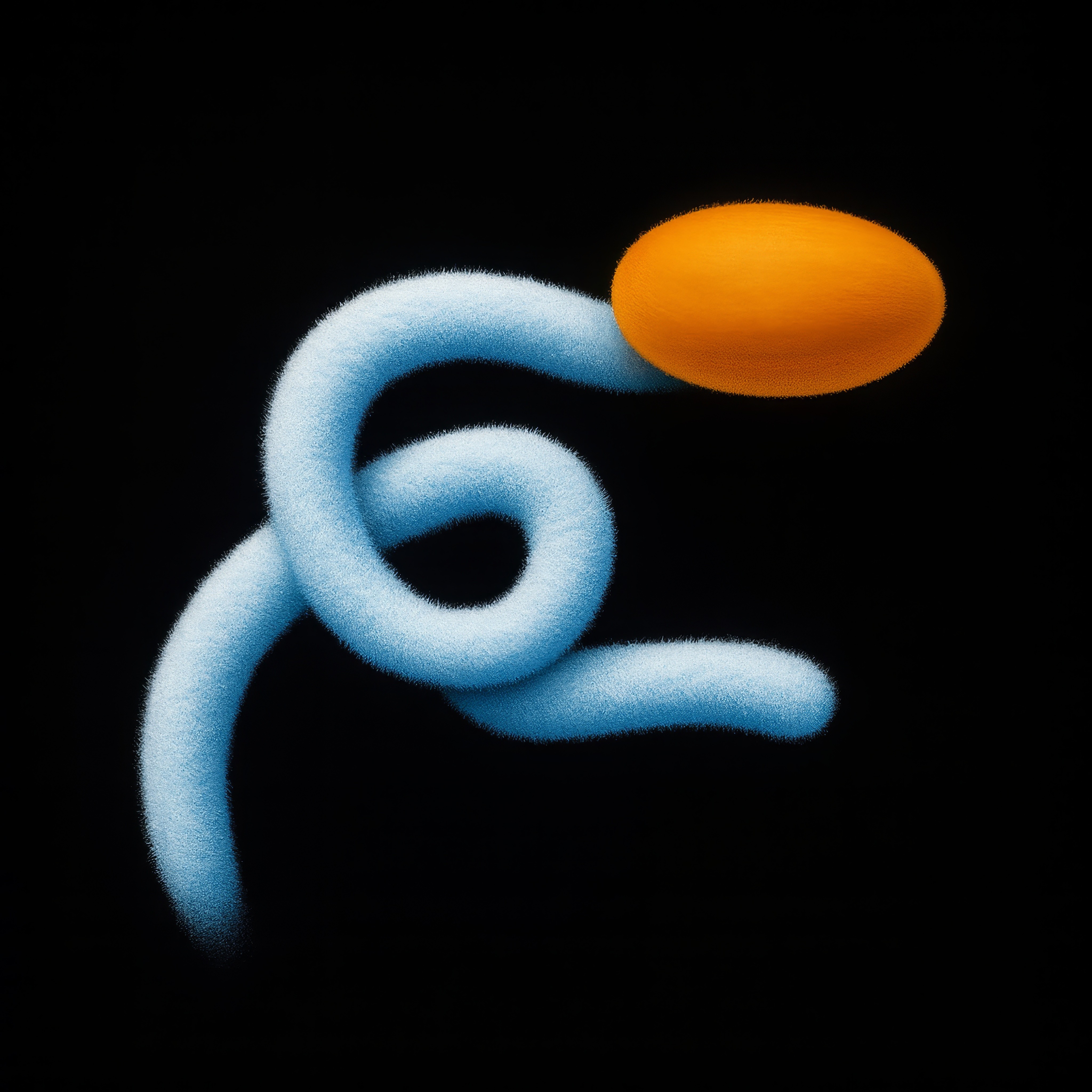
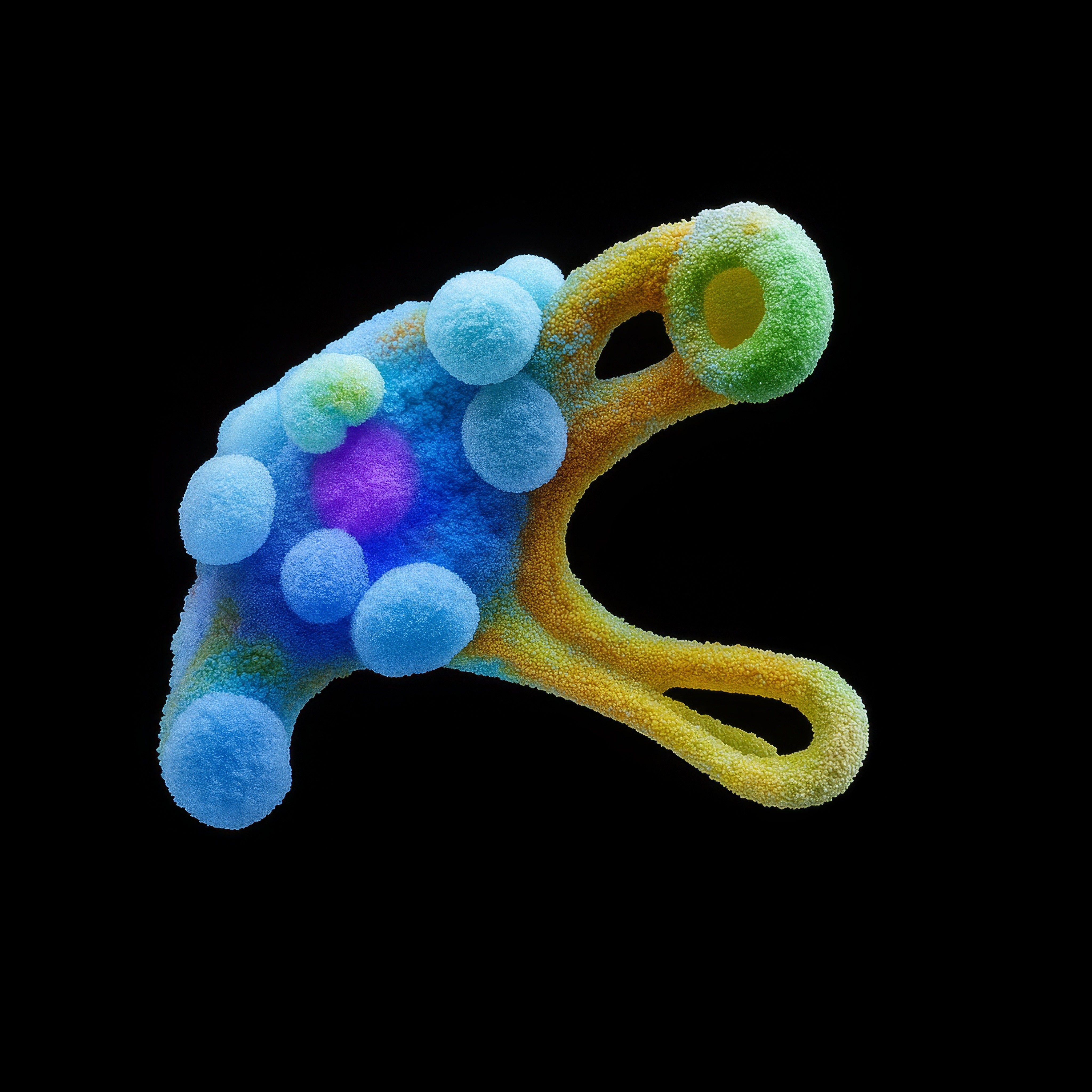
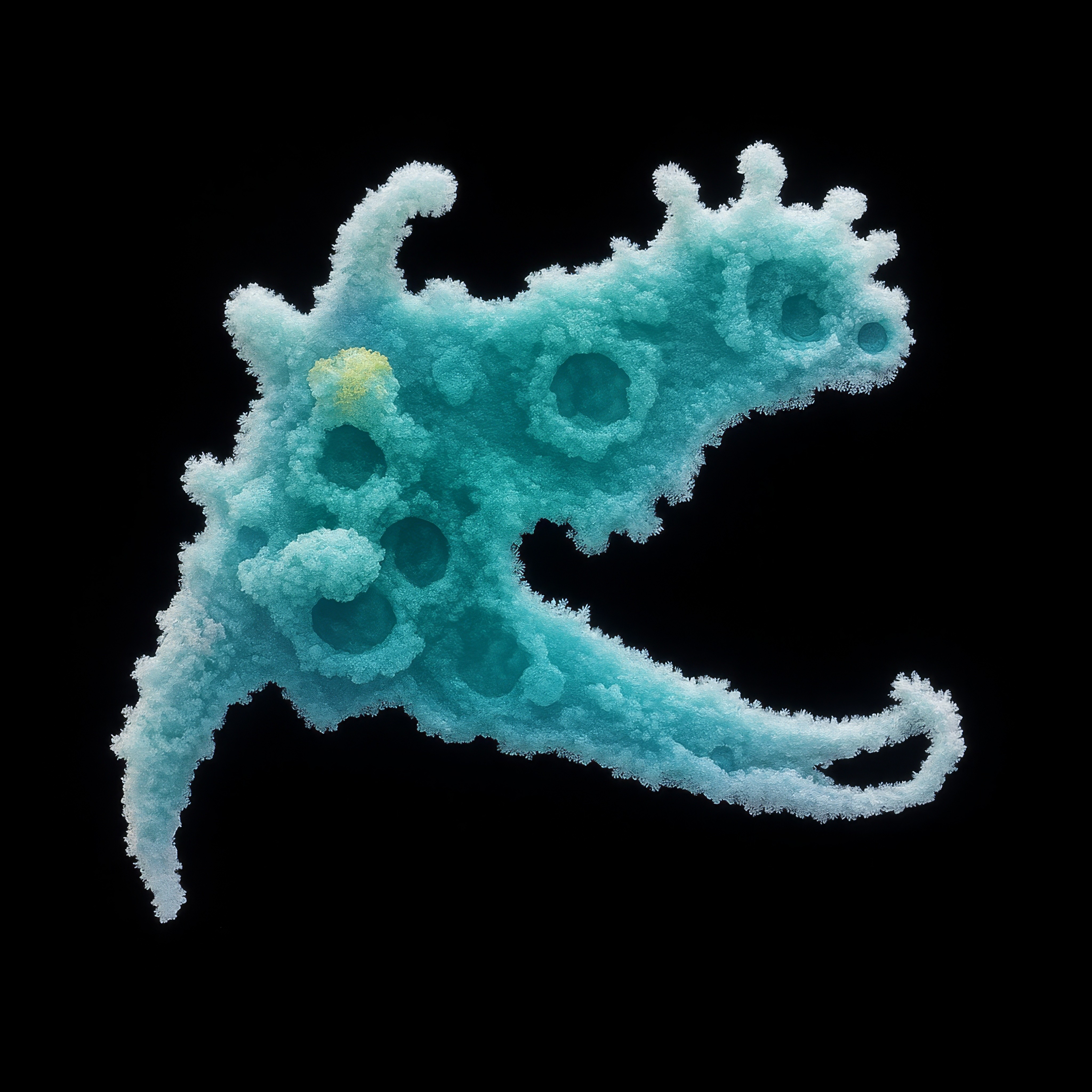
35 Curated Outcomes
35 Curated Outcomes



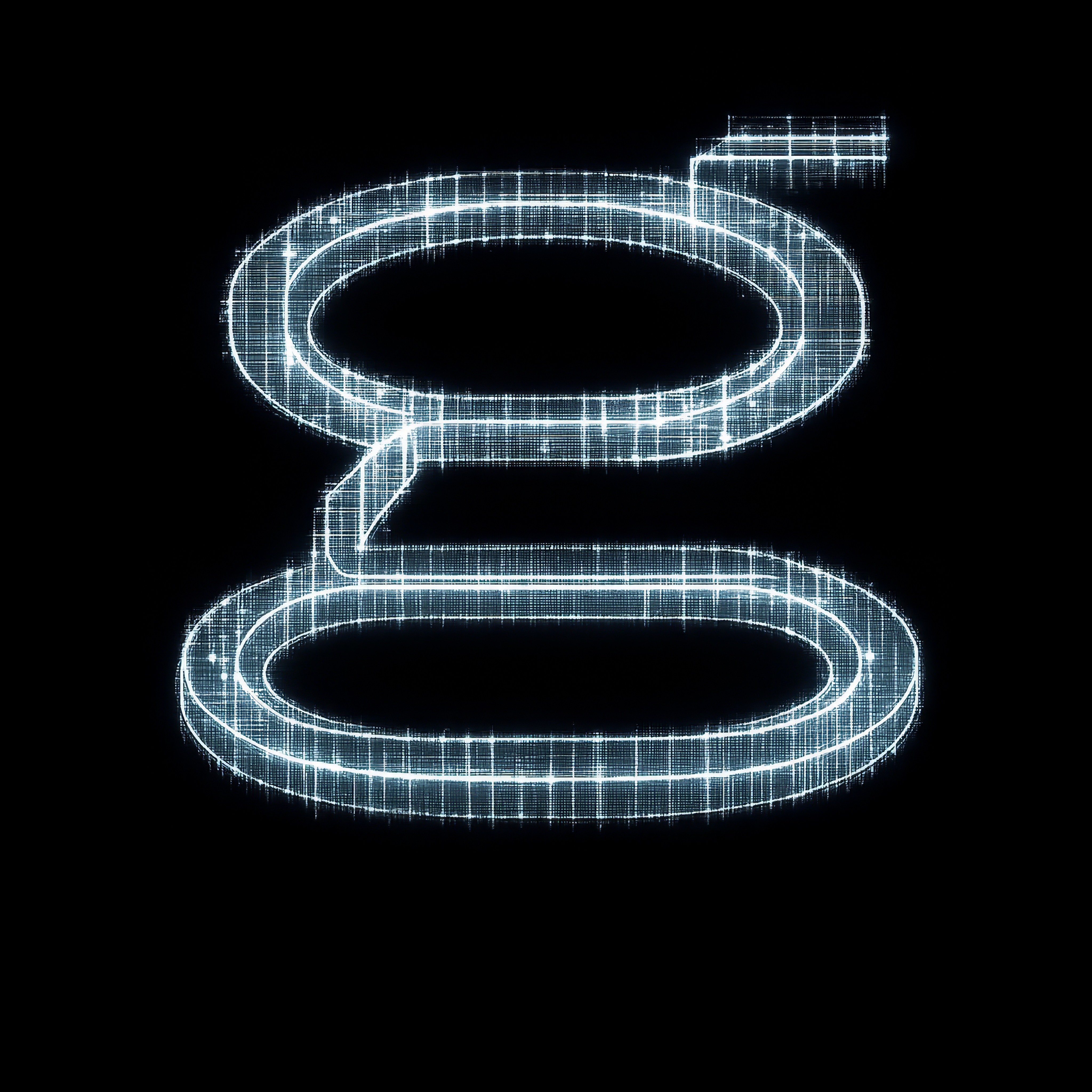


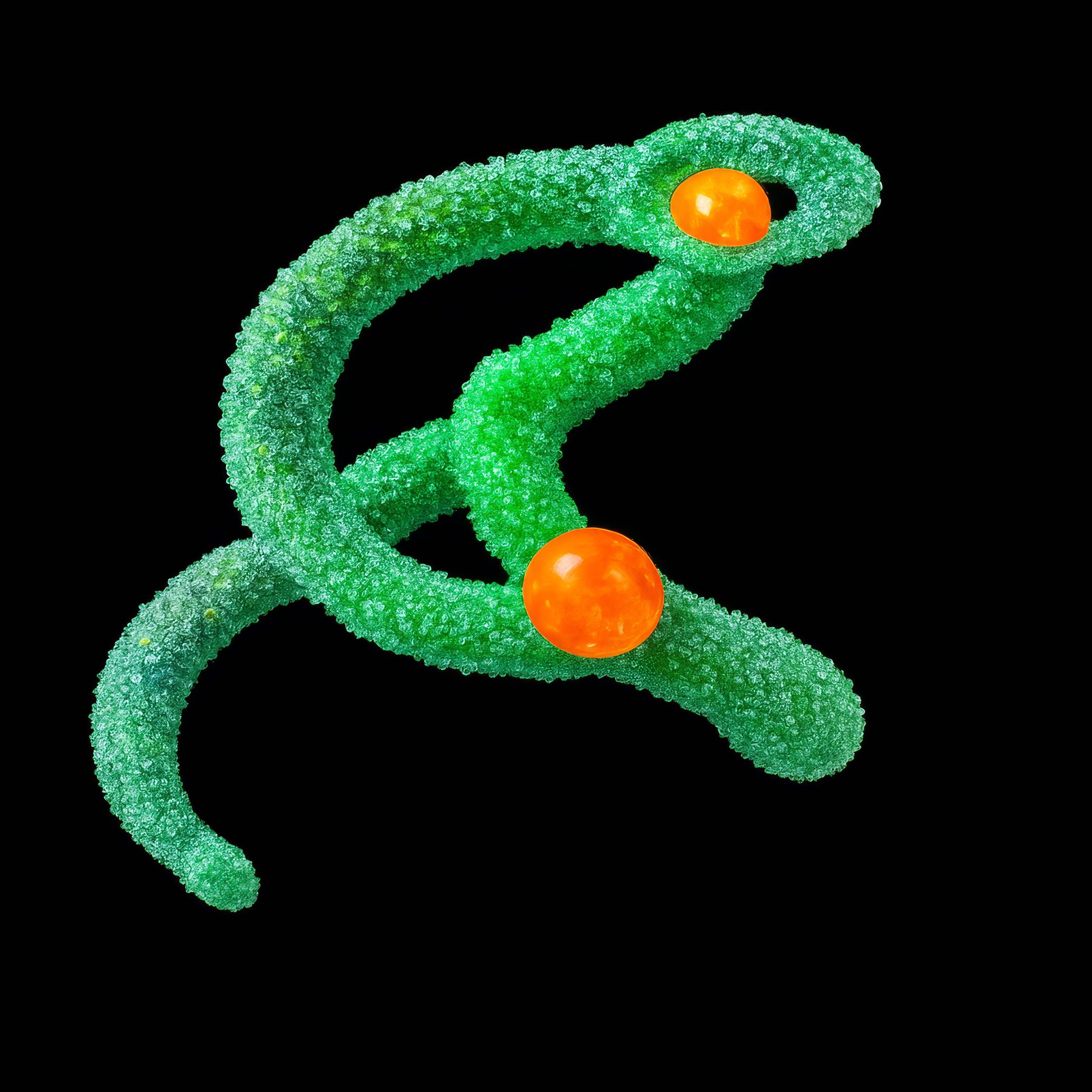

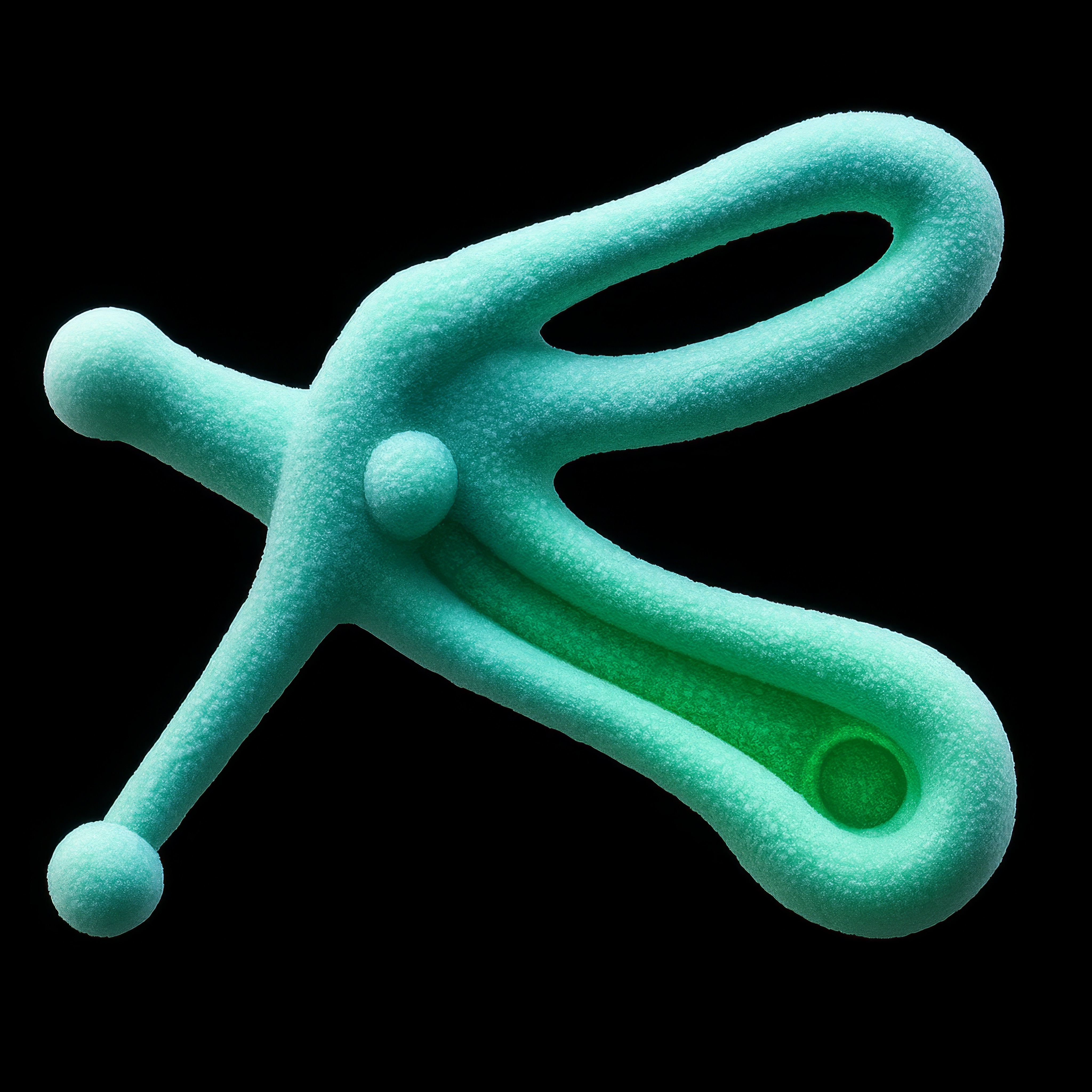
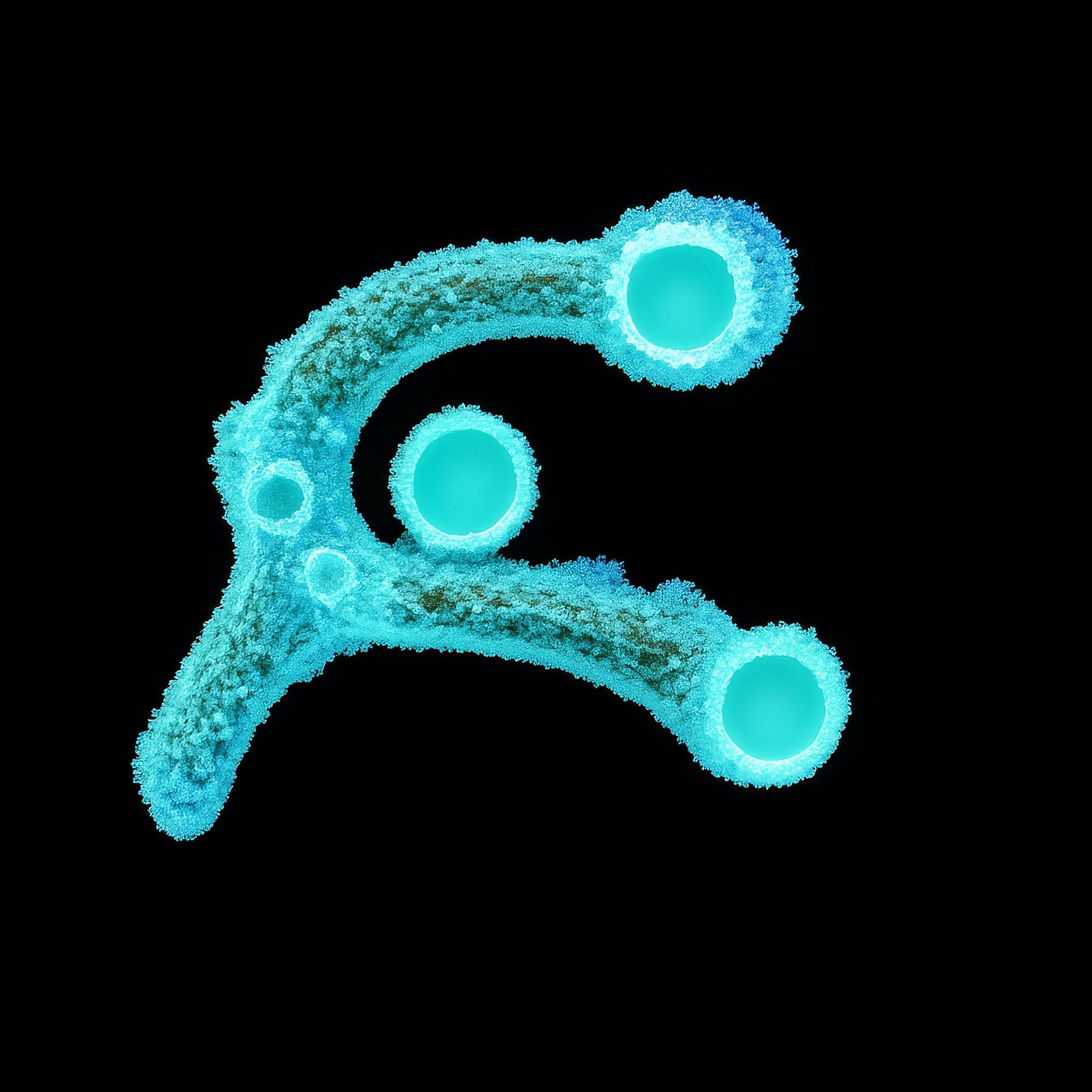
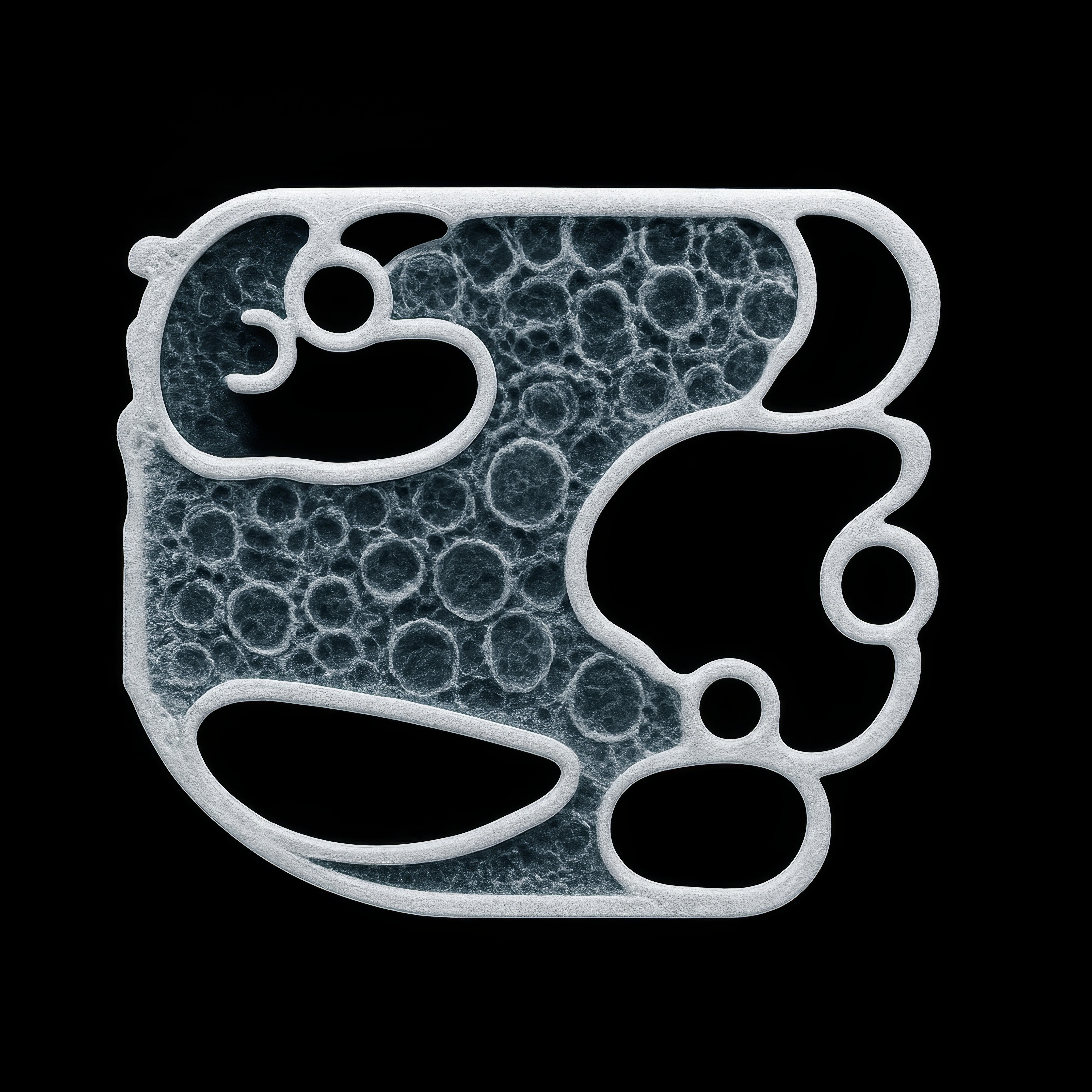
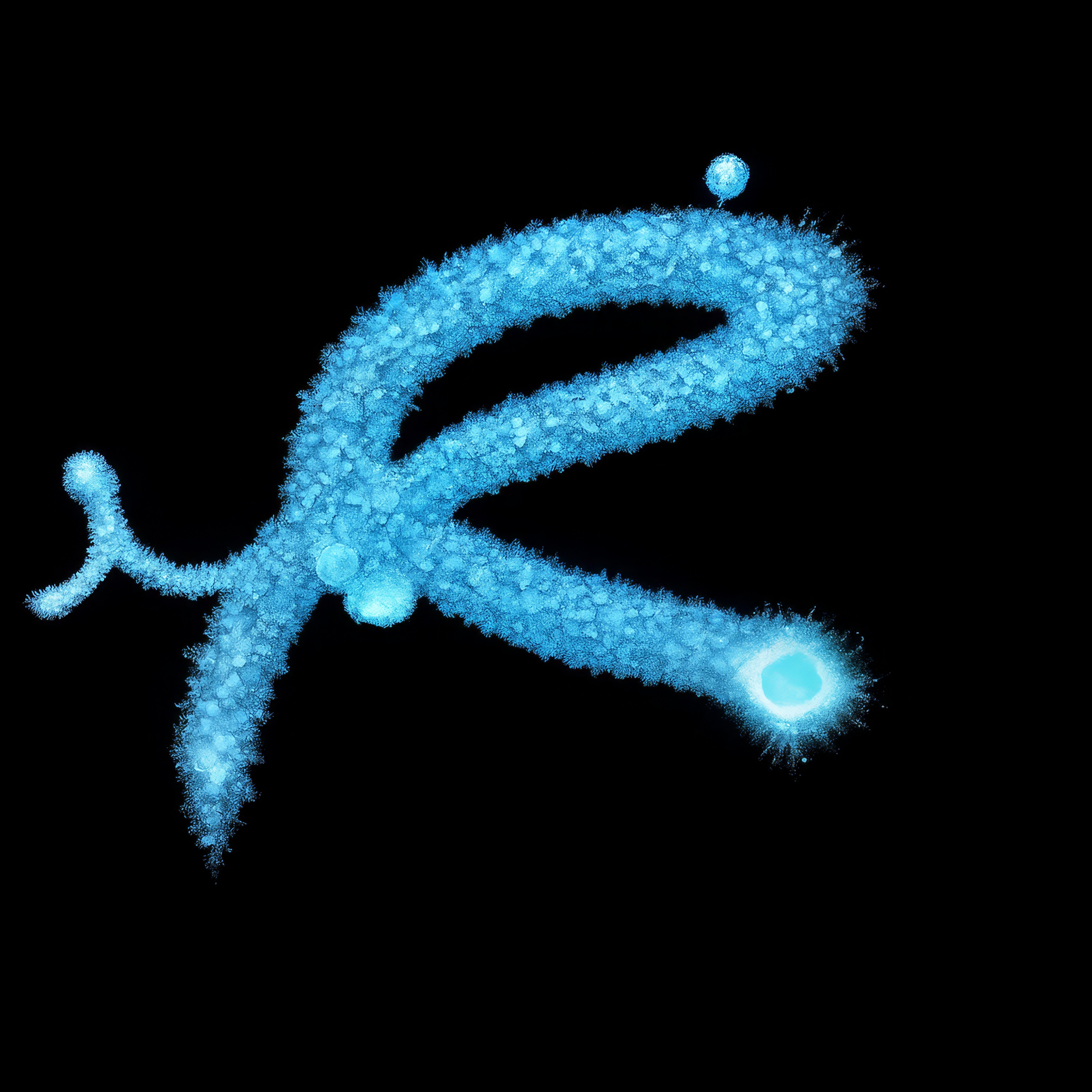

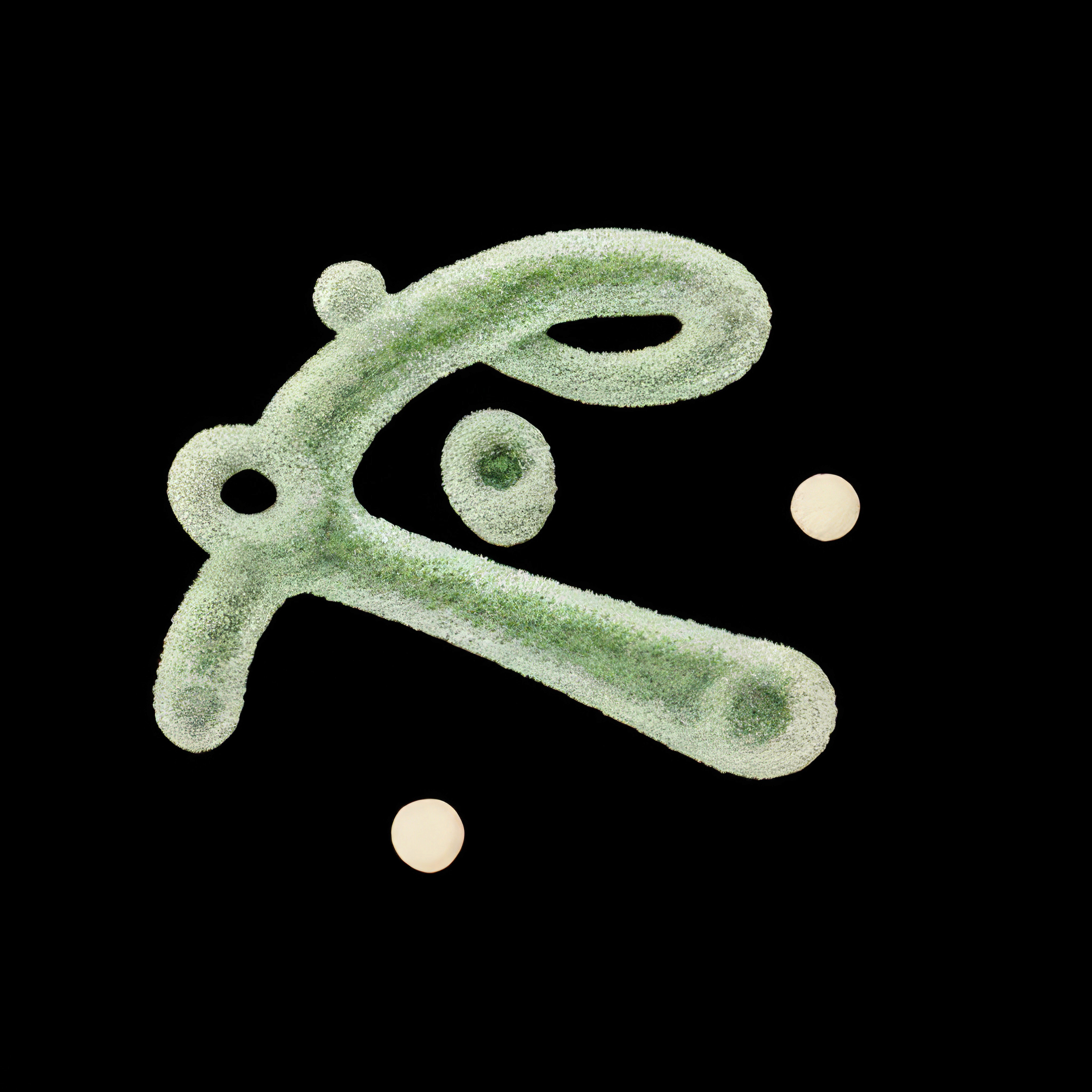
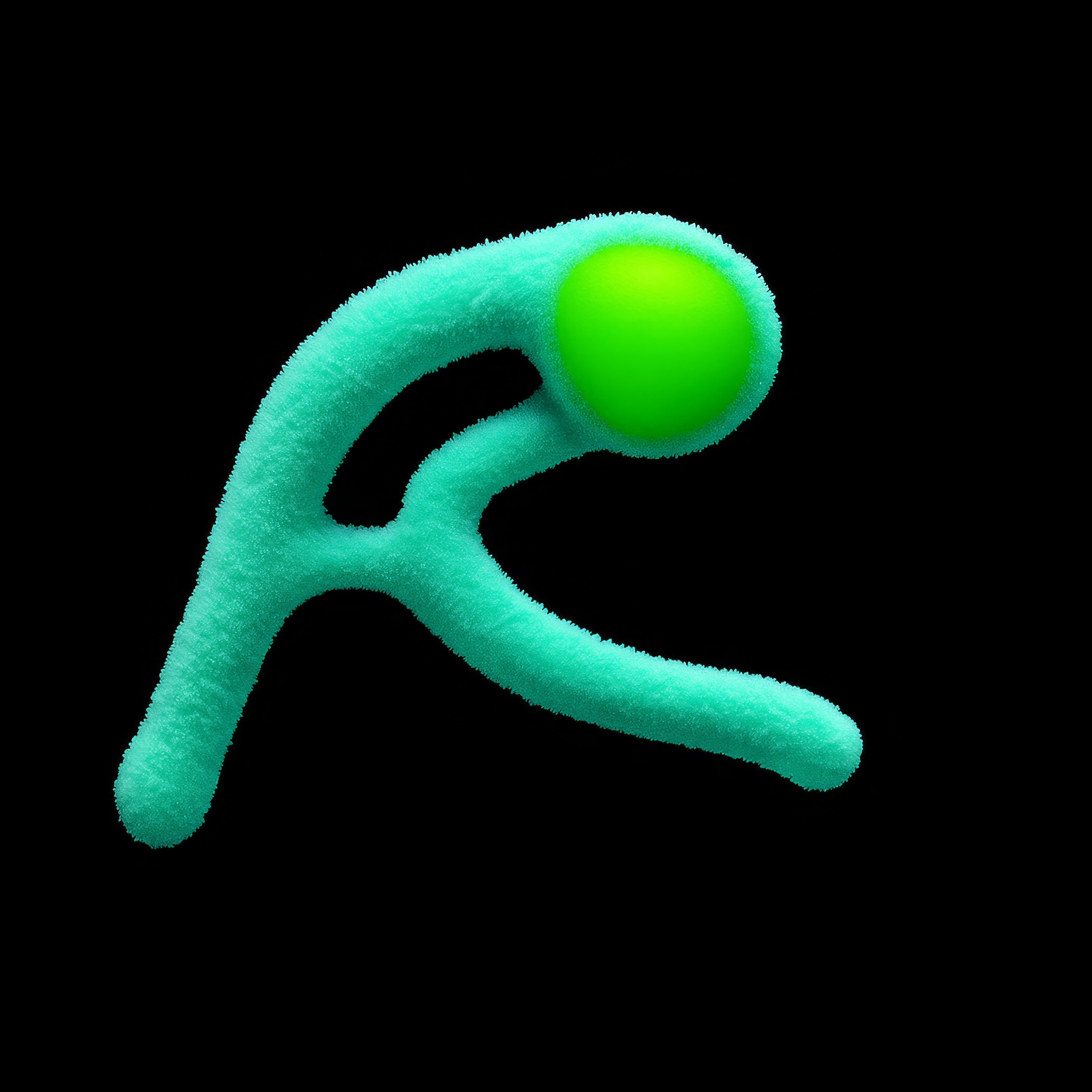
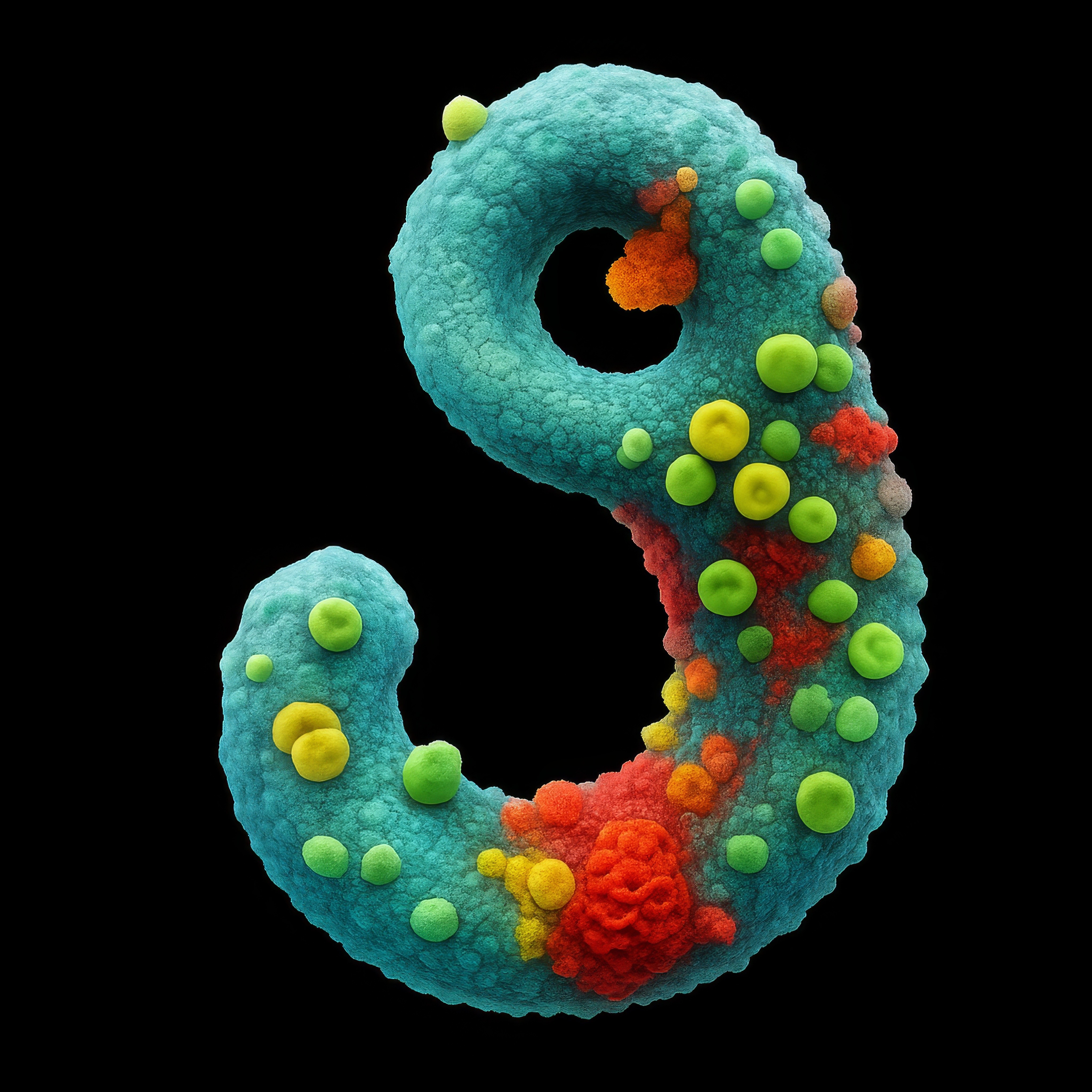
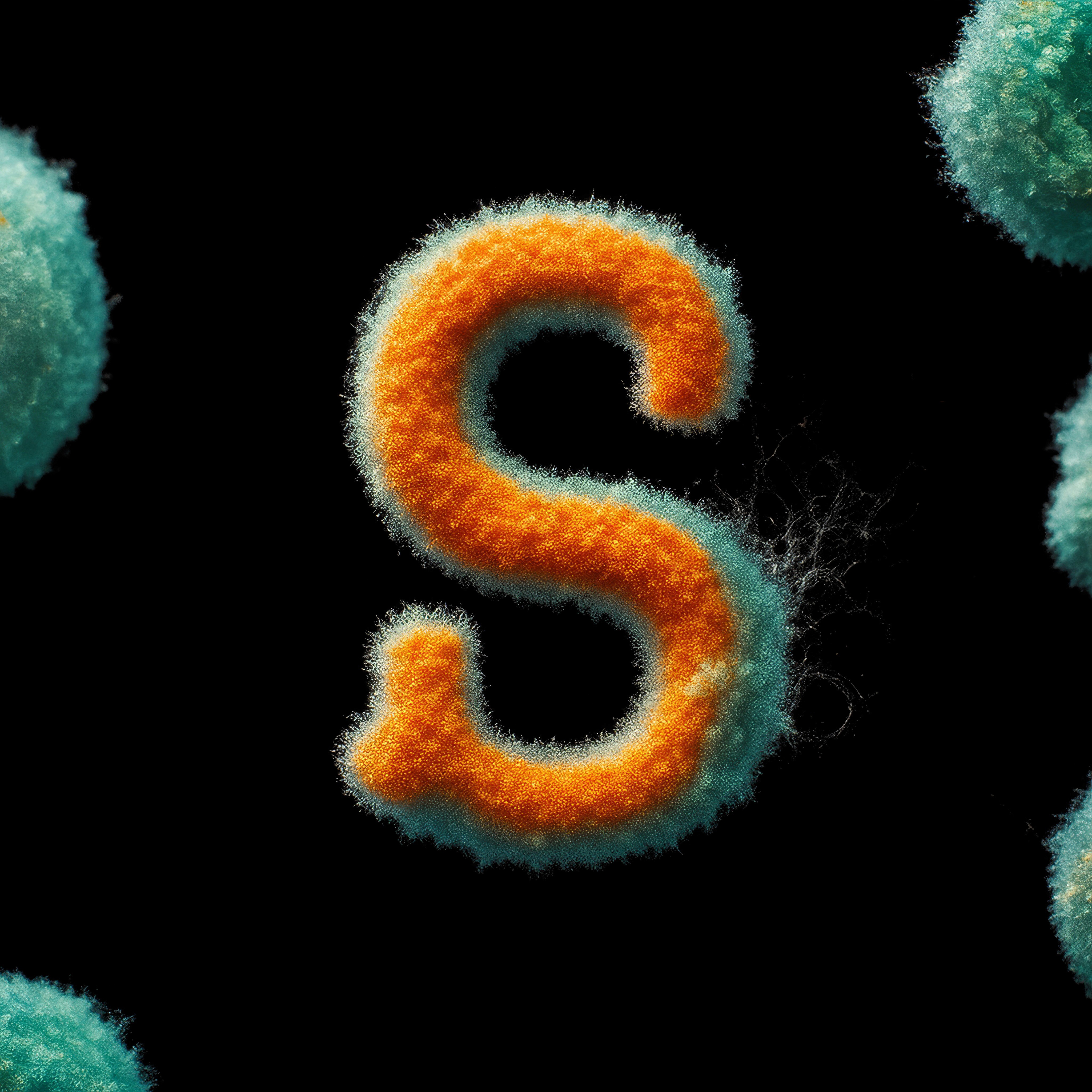

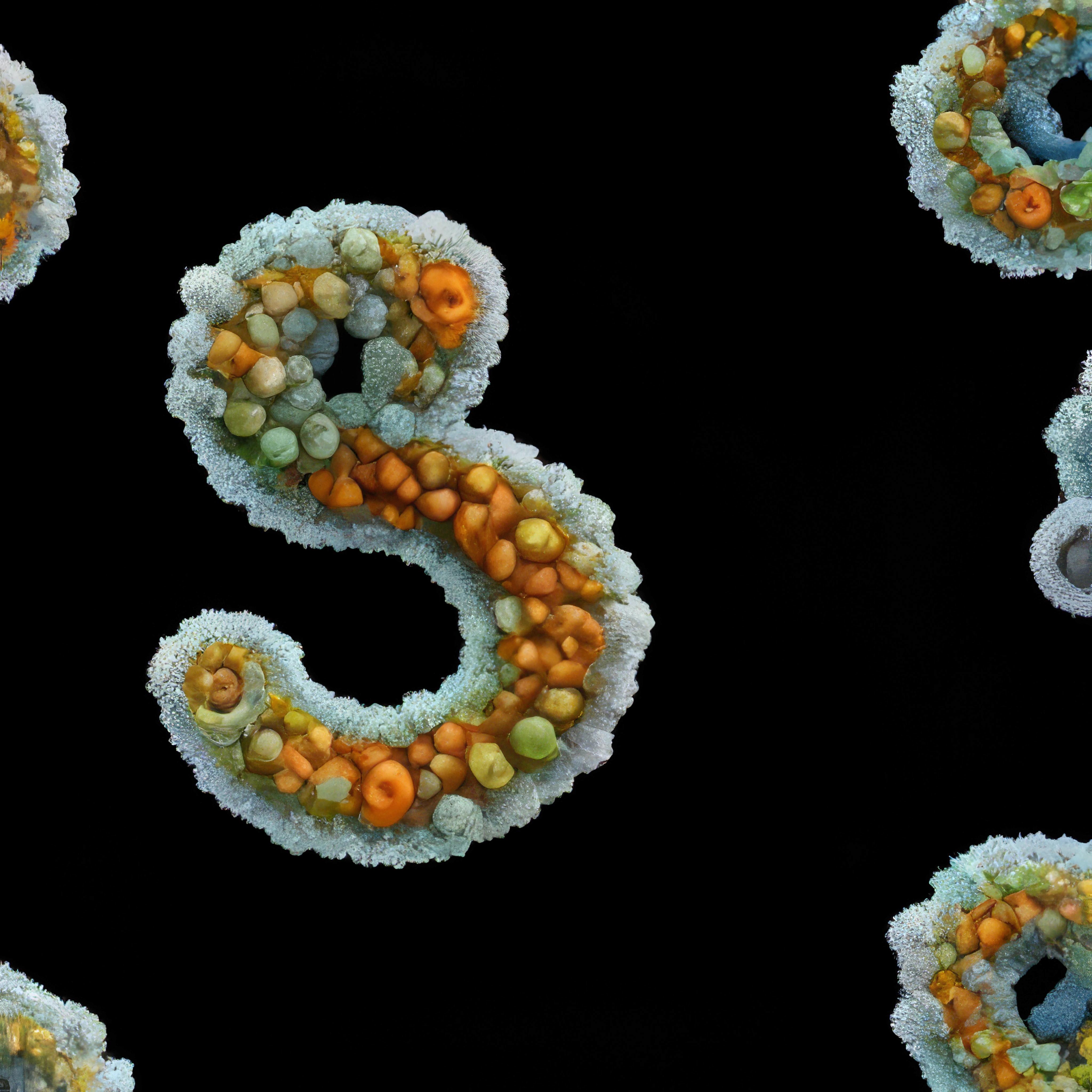

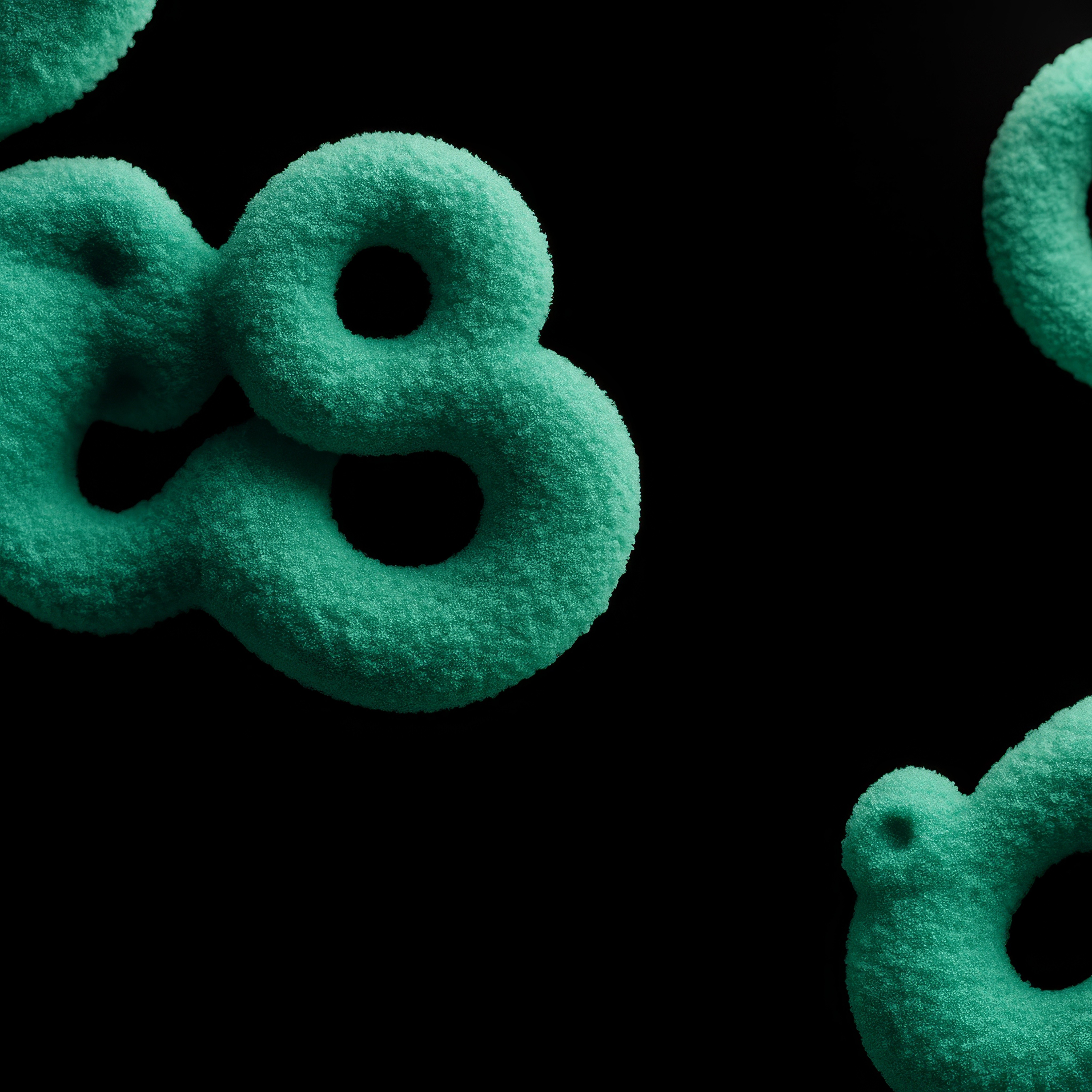
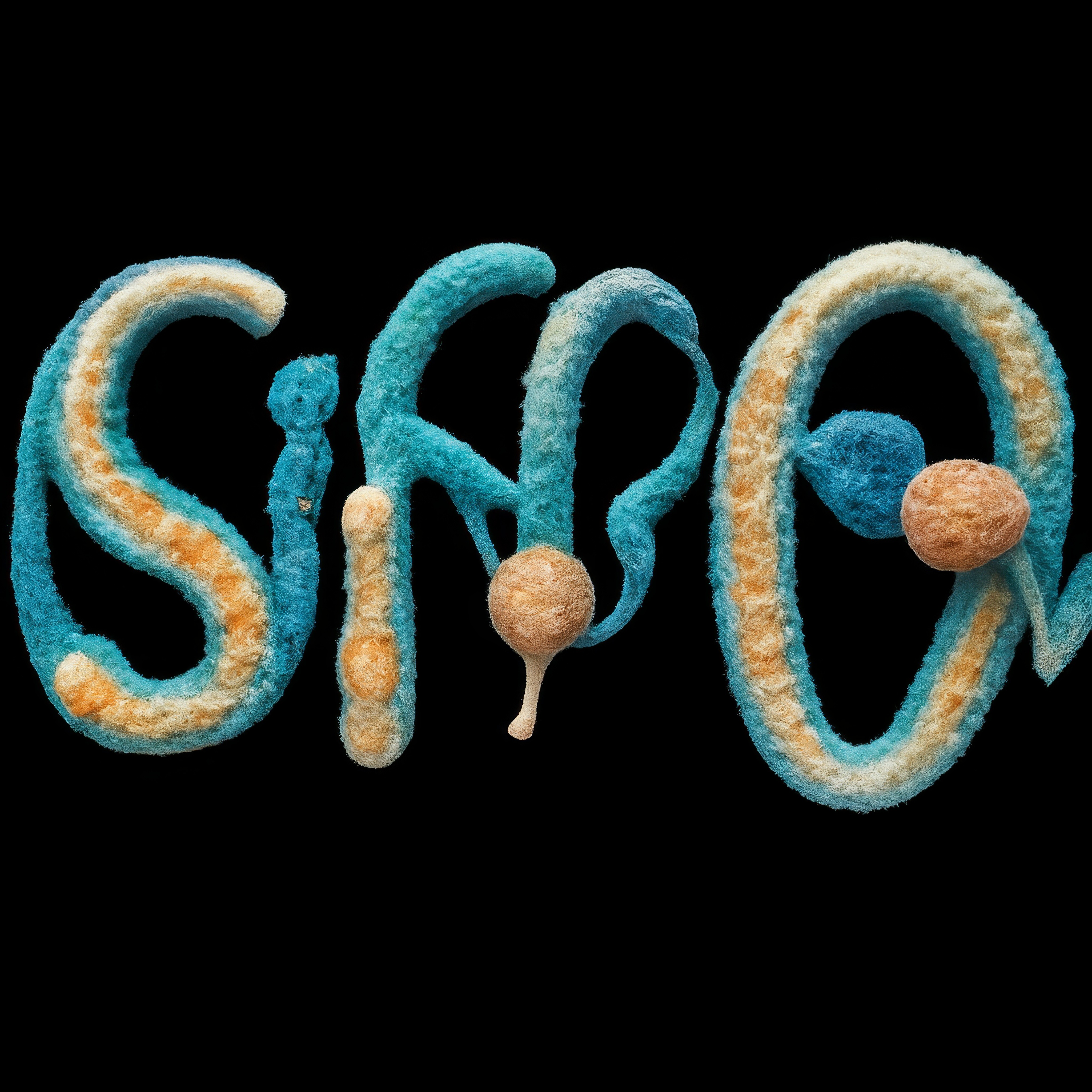
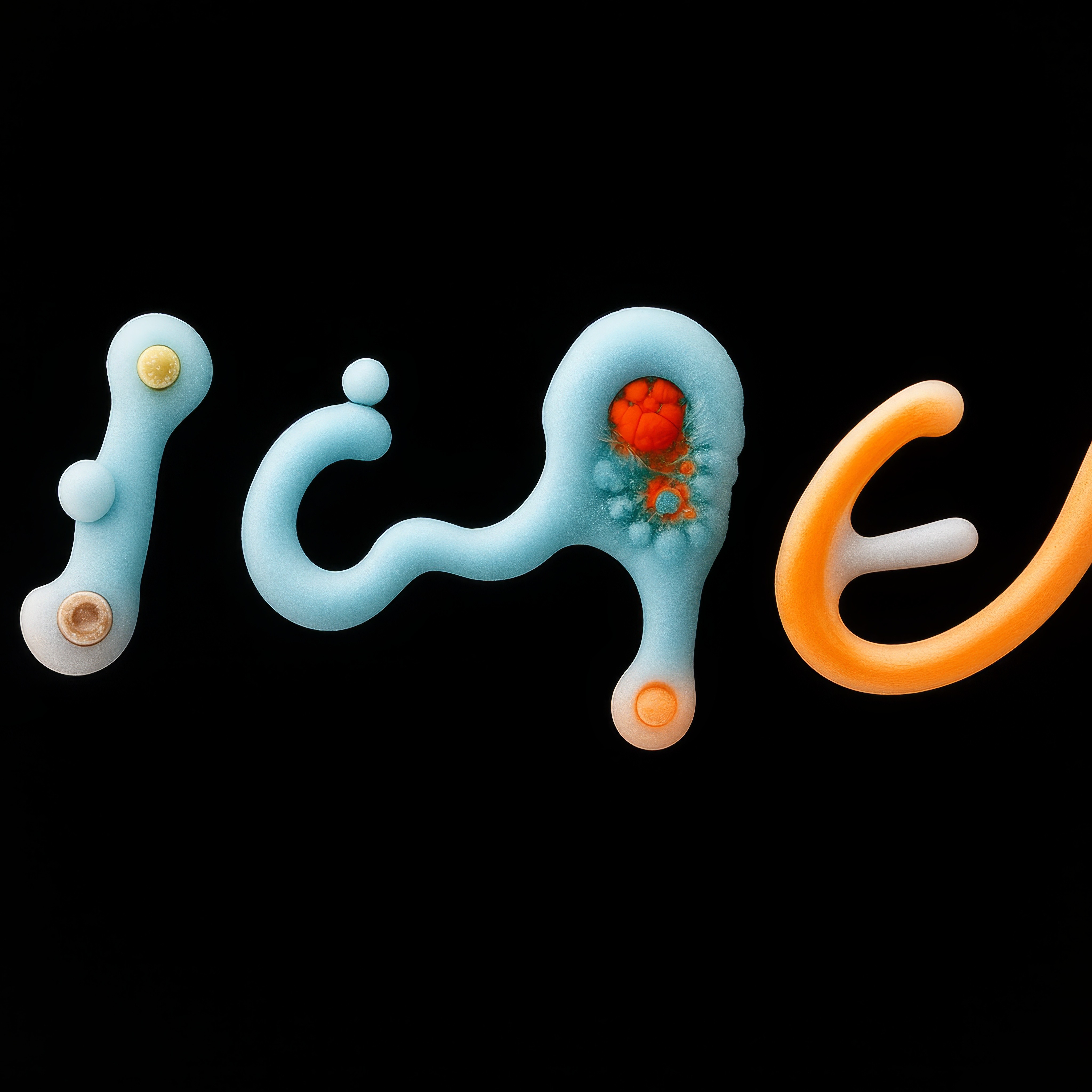



Speculative Scernario
Speculative Scernario
Image Generated in ChatGPT
Image Generated in ChatGPT
Narrative Crafted by Humans
Narrative Crafted by Humans
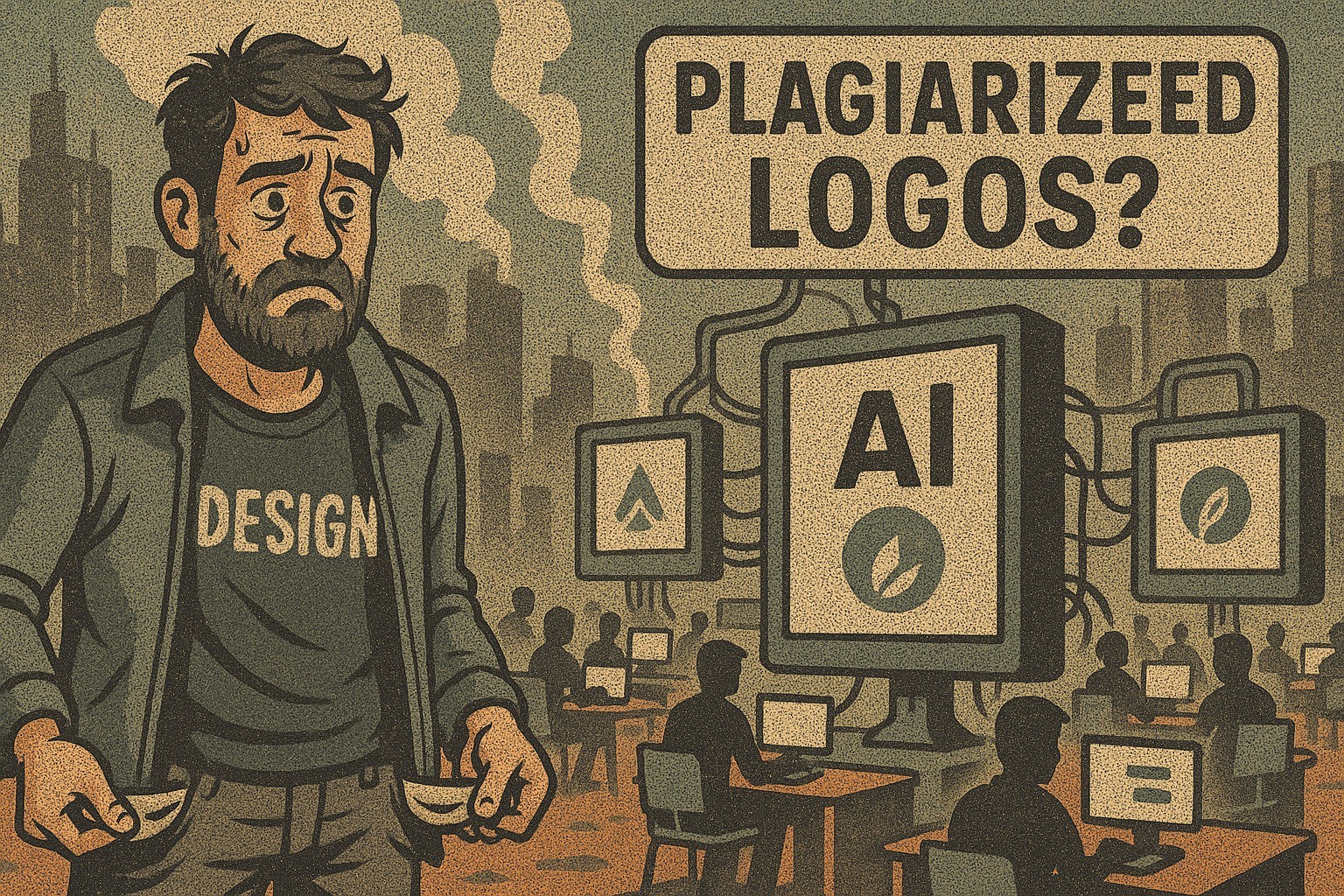
In the near future, small home-based startups use AI to generate logos and branding without hiring designers. With just a few prompts, AI creates complete visuals, removing the need for creative discussions or collaboration. The process becomes fast and efficient—but also less personal. There’s no space for brainstorming or exploring ideas with others. This shift raises concerns about originality and plagiarism, as many AI-generated designs start to look similar. Designers are left wondering where their role fits, and whether they will still have jobs in the future.
If designers constantly have to question their value, it creates an unstable and uncertain future for the profession. To stay relevant, designers will need to adapt—learning how to work with AI, give it direction, and use it as a tool to bring their own creative visions to life. Rather than being replaced, designers can take on a new role: guiding AI instead of competing with it.
In the near future, small home-based startups use AI to generate logos and branding without hiring designers. With just a few prompts, AI creates complete visuals, removing the need for creative discussions or collaboration. The process becomes fast and efficient—but also less personal. There’s no space for brainstorming or exploring ideas with others. This shift raises concerns about originality and plagiarism, as many AI-generated designs start to look similar. Designers are left wondering where their role fits, and whether they will still have jobs in the future.
If designers constantly have to question their value, it creates an unstable and uncertain future for the profession. To stay relevant, designers will need to adapt—learning how to work with AI, give it direction, and use it as a tool to bring their own creative visions to life. Rather than being replaced, designers can take on a new role: guiding AI instead of competing with it.
Machine B
Machine B
2 Participants
2 Participants
35 Curated Outcomes
35 Curated Outcomes



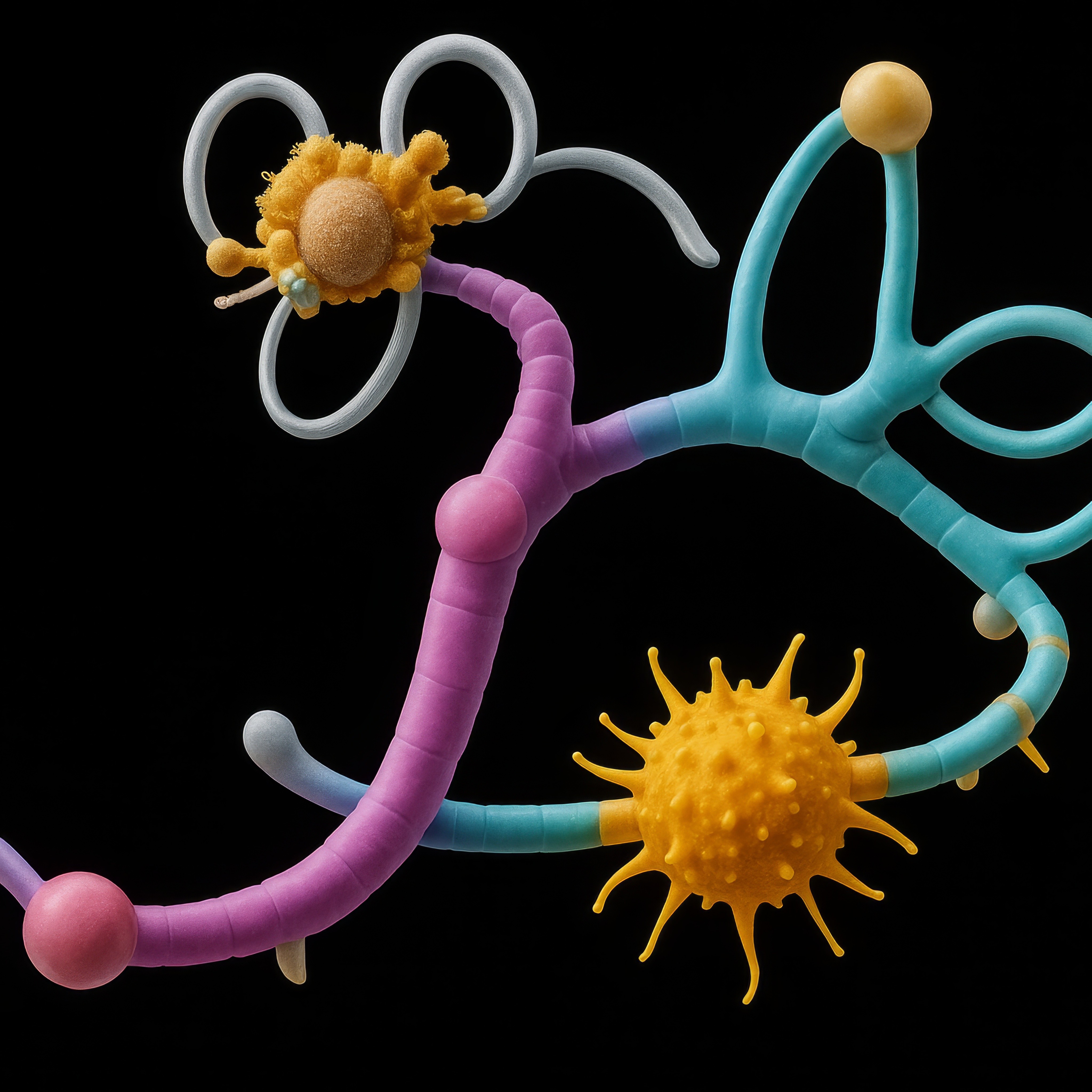
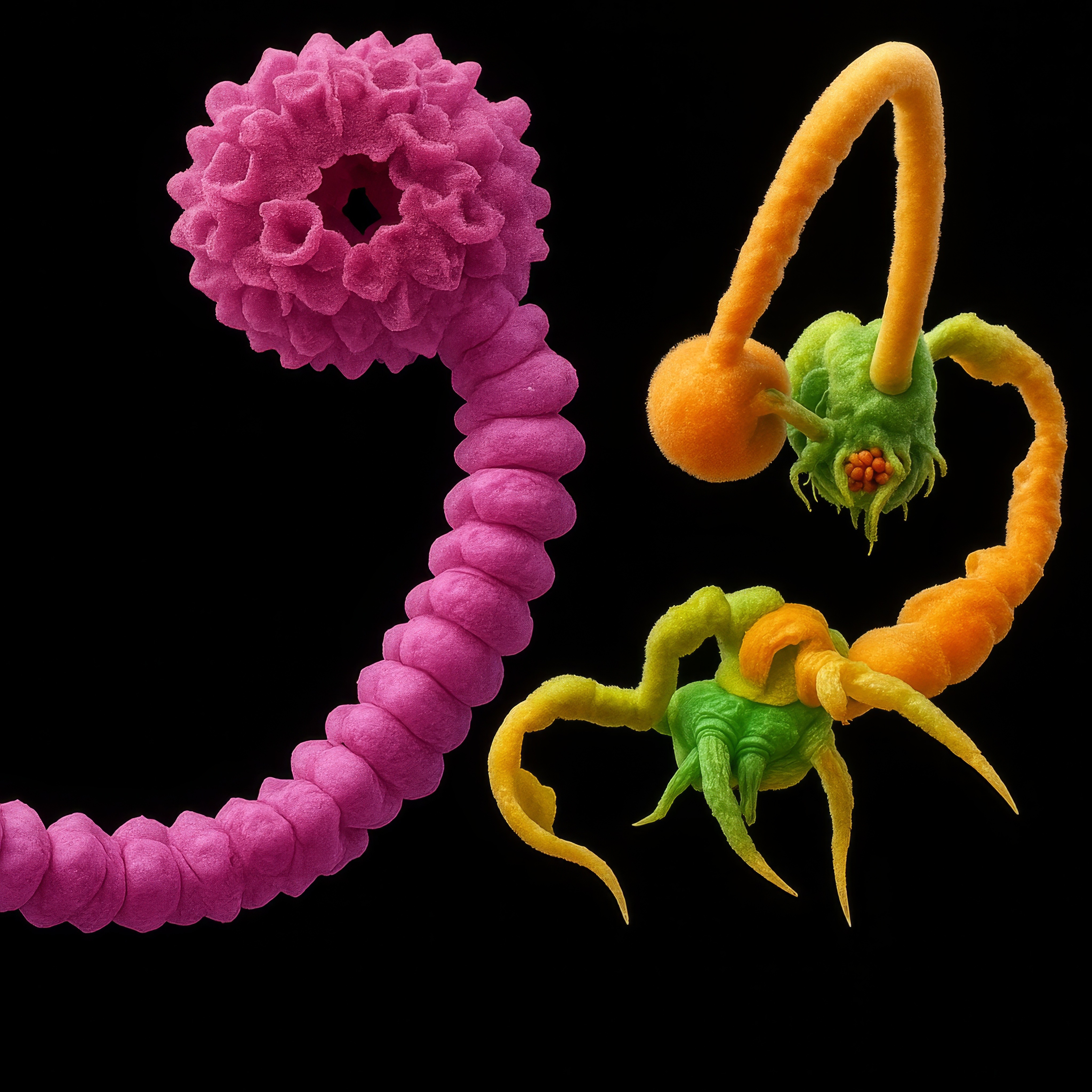
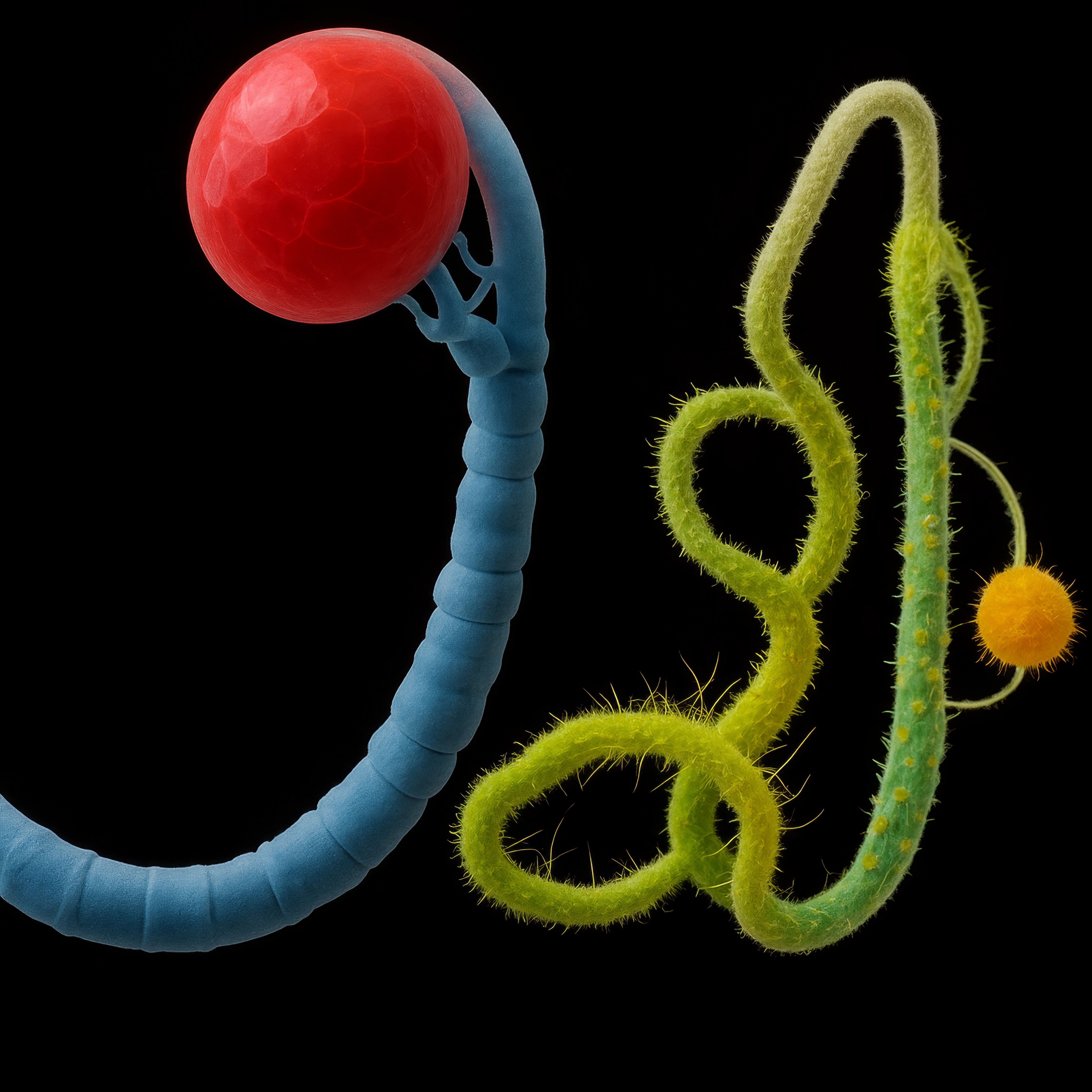




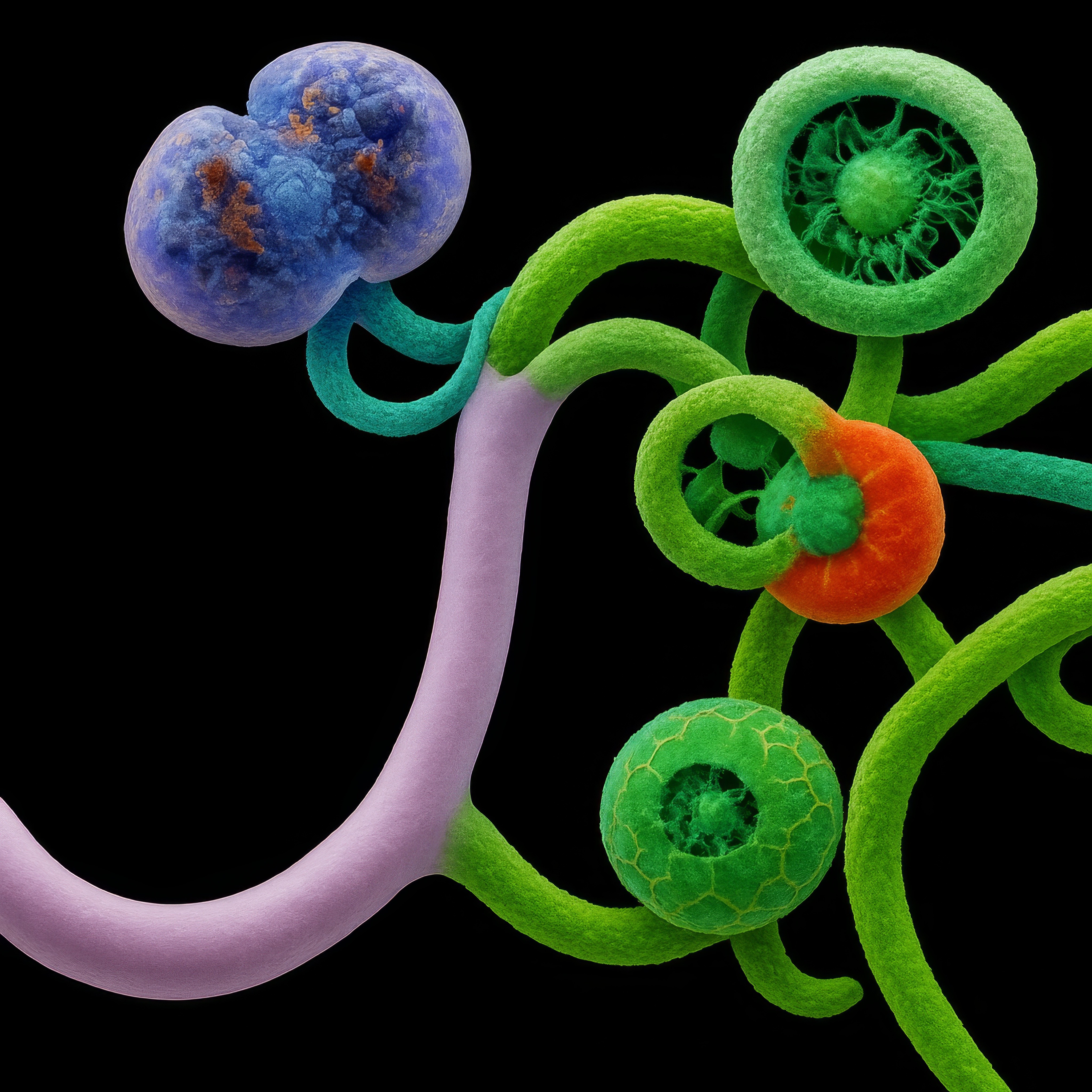
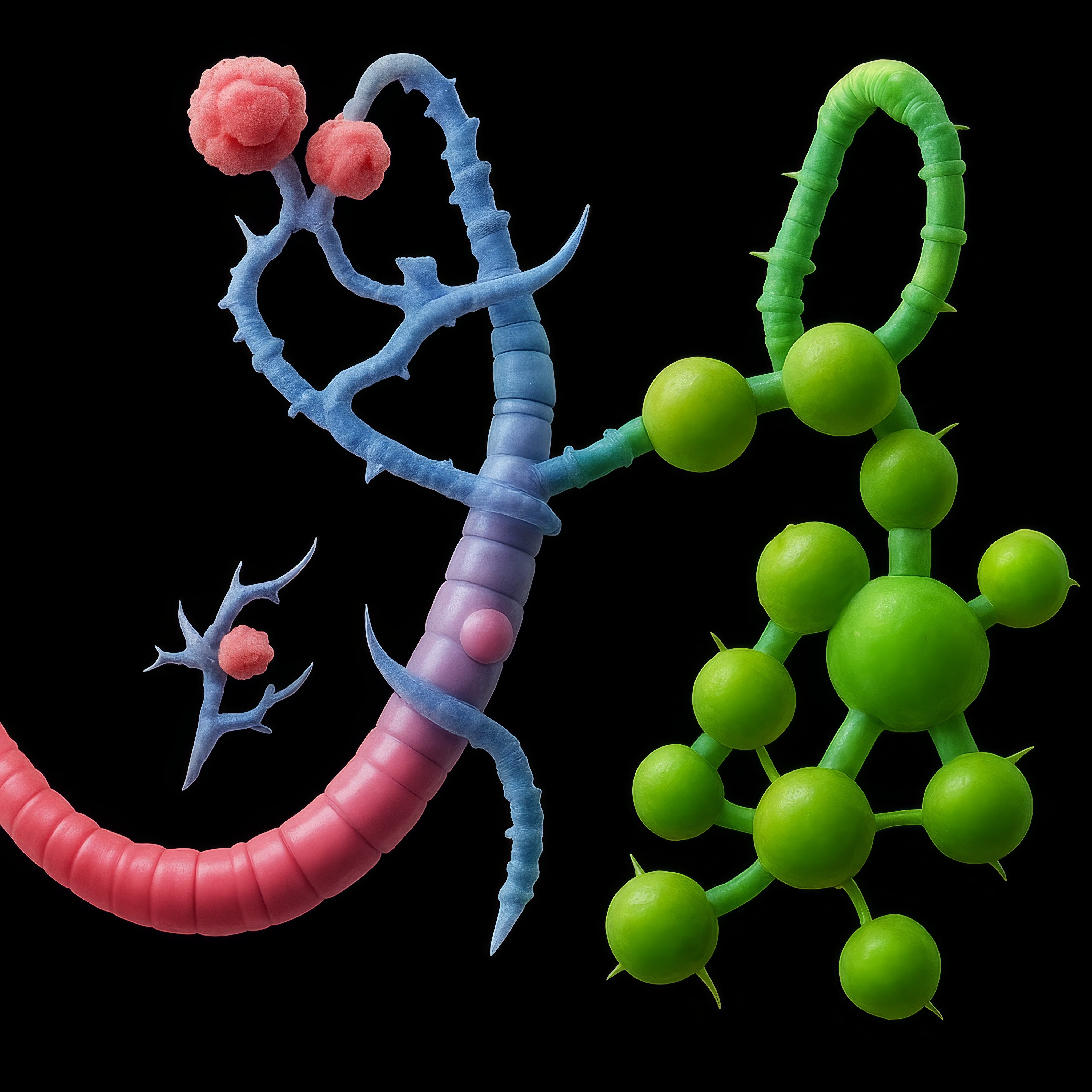
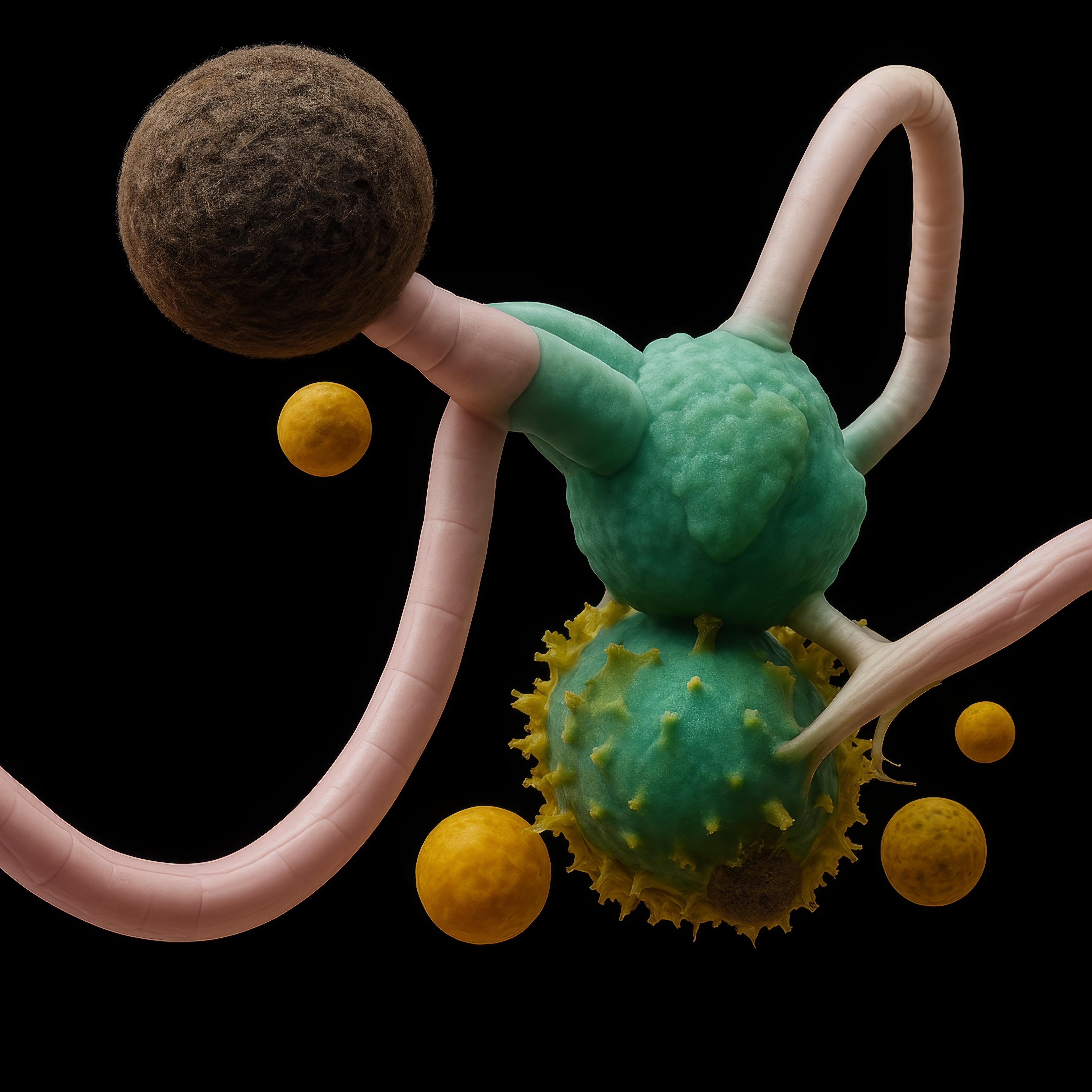
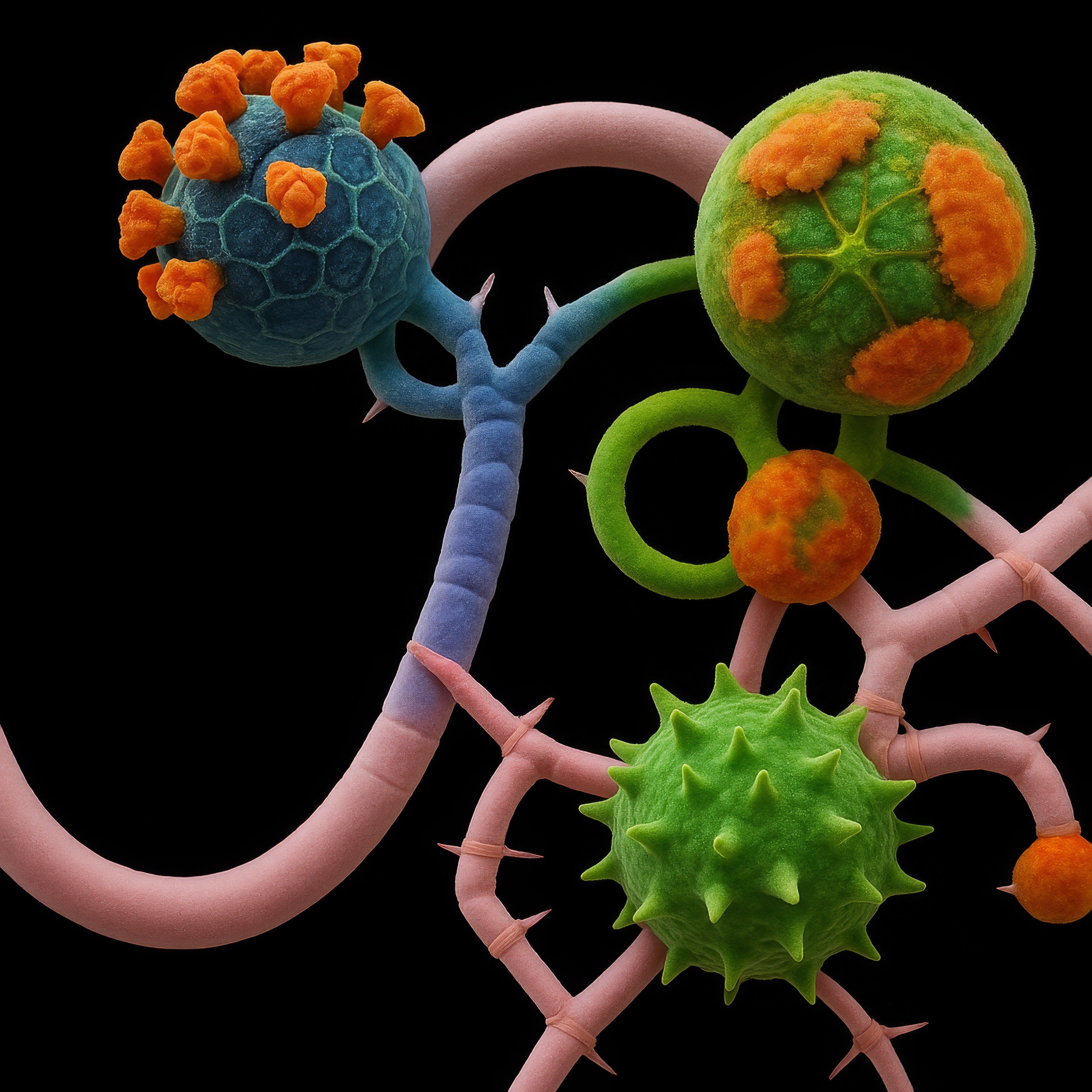


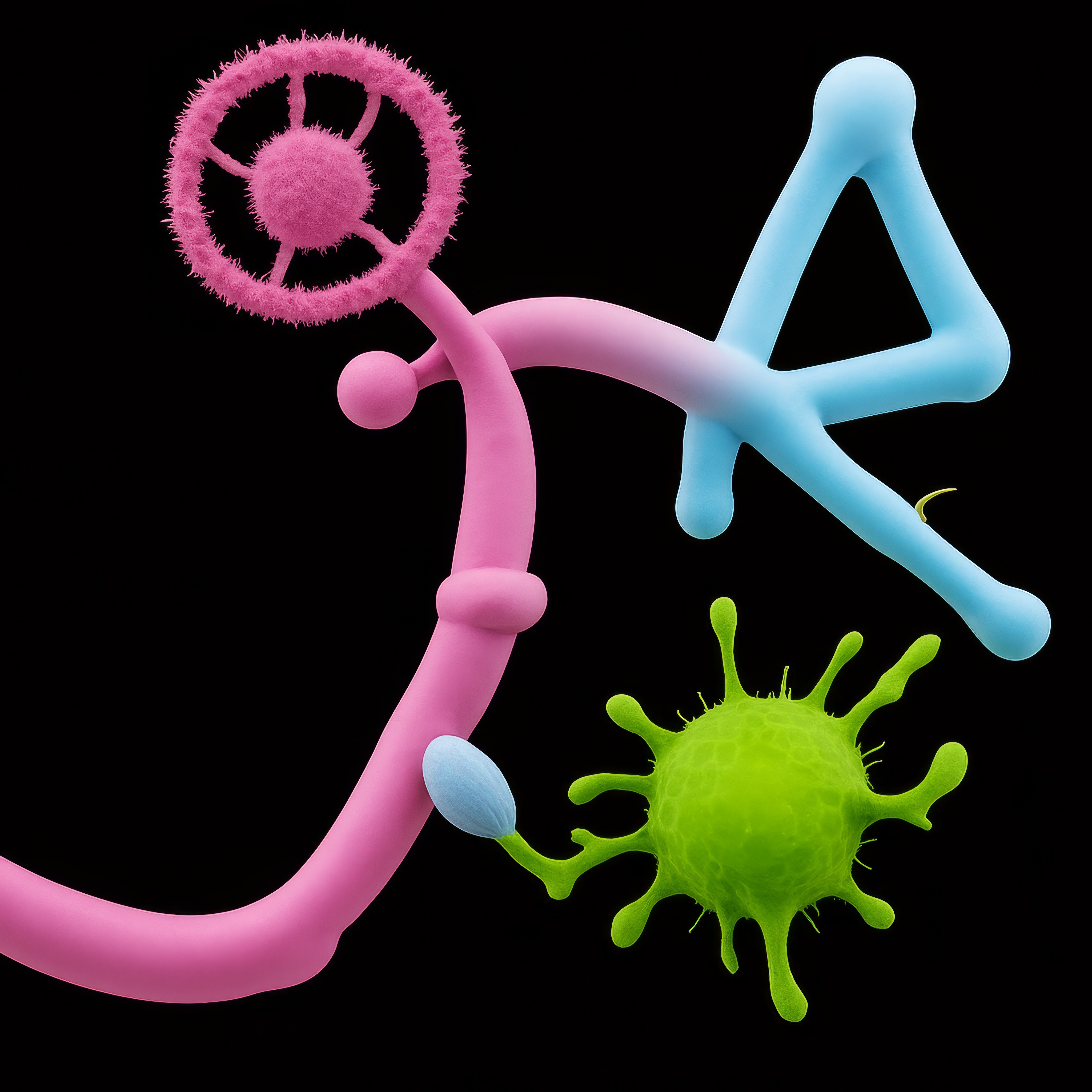
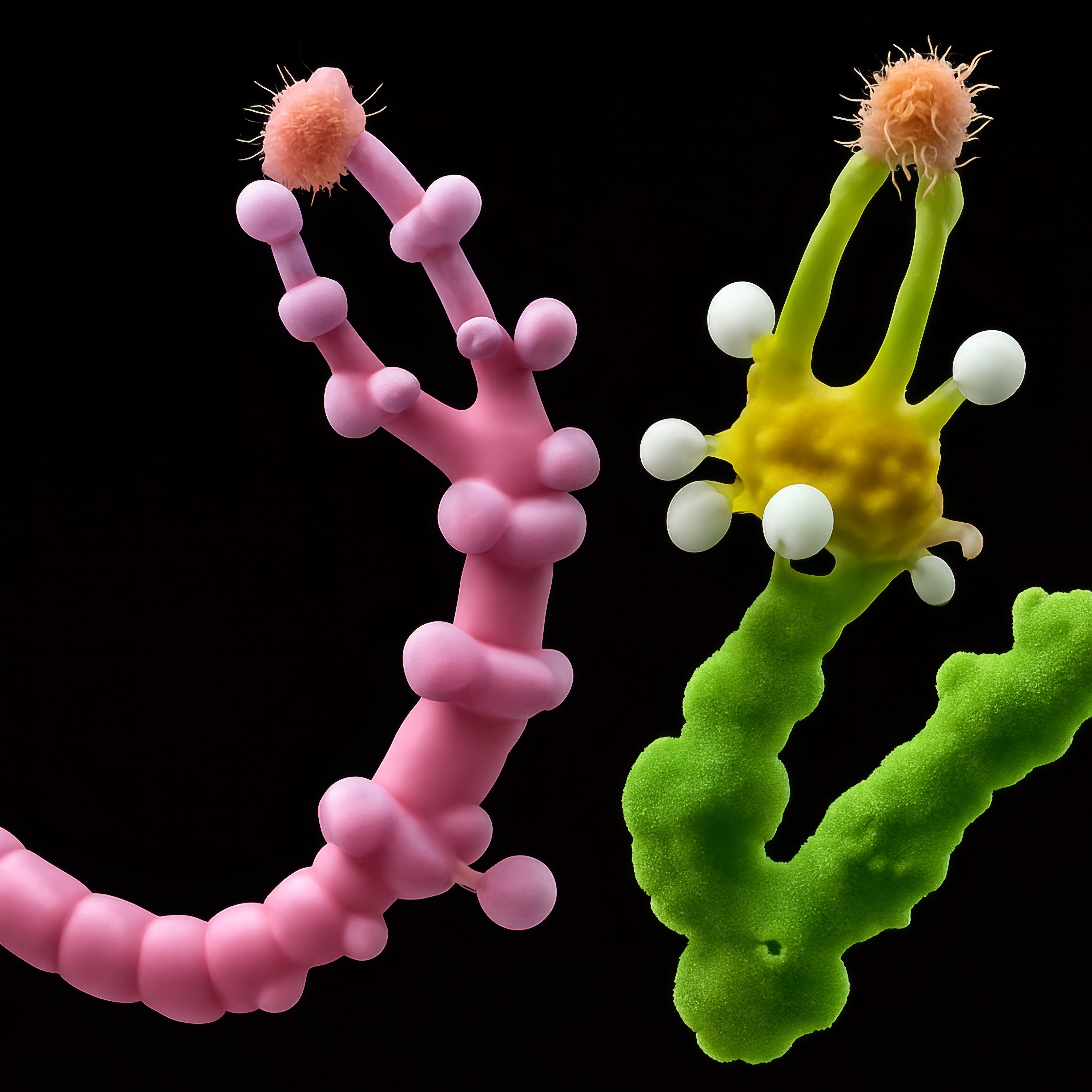
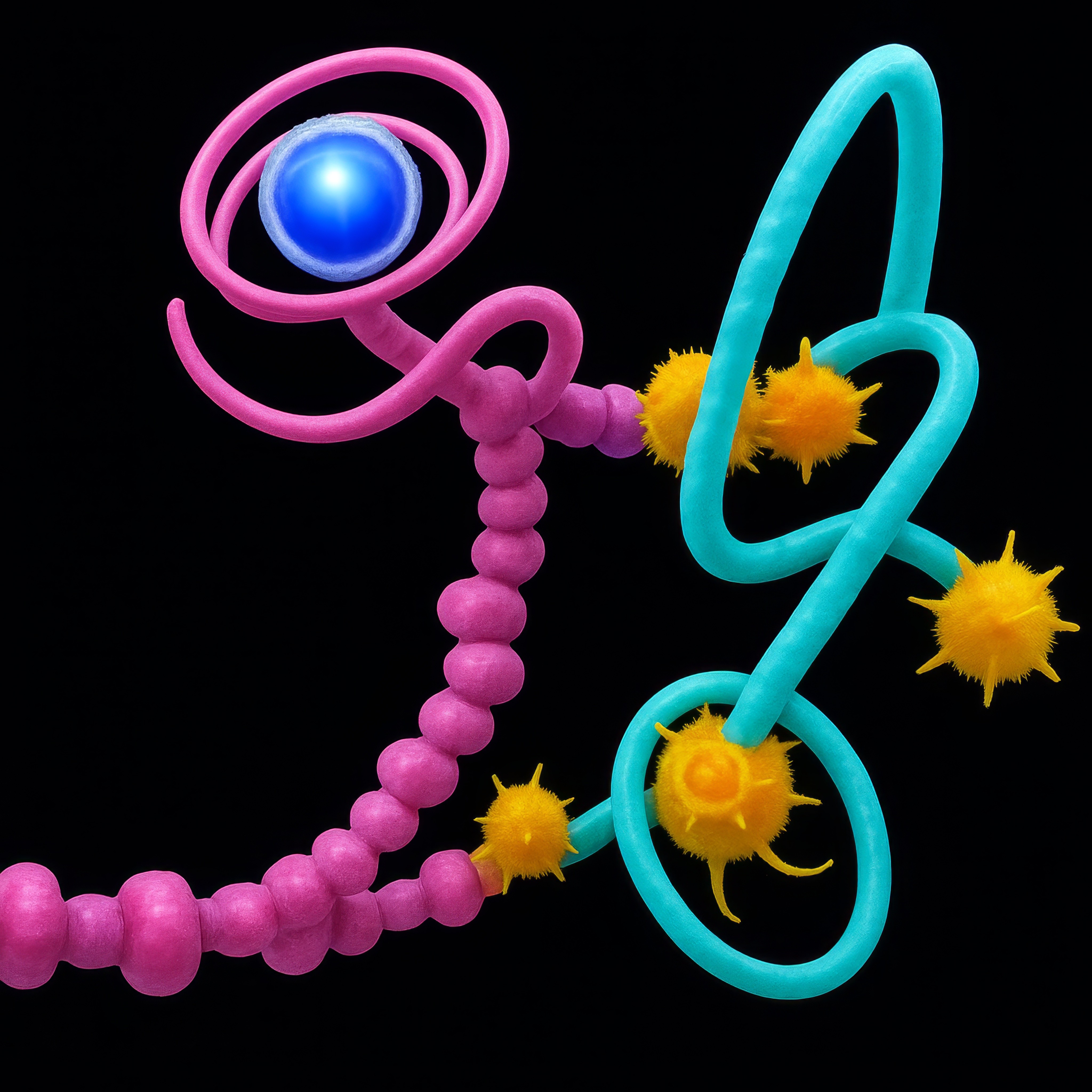



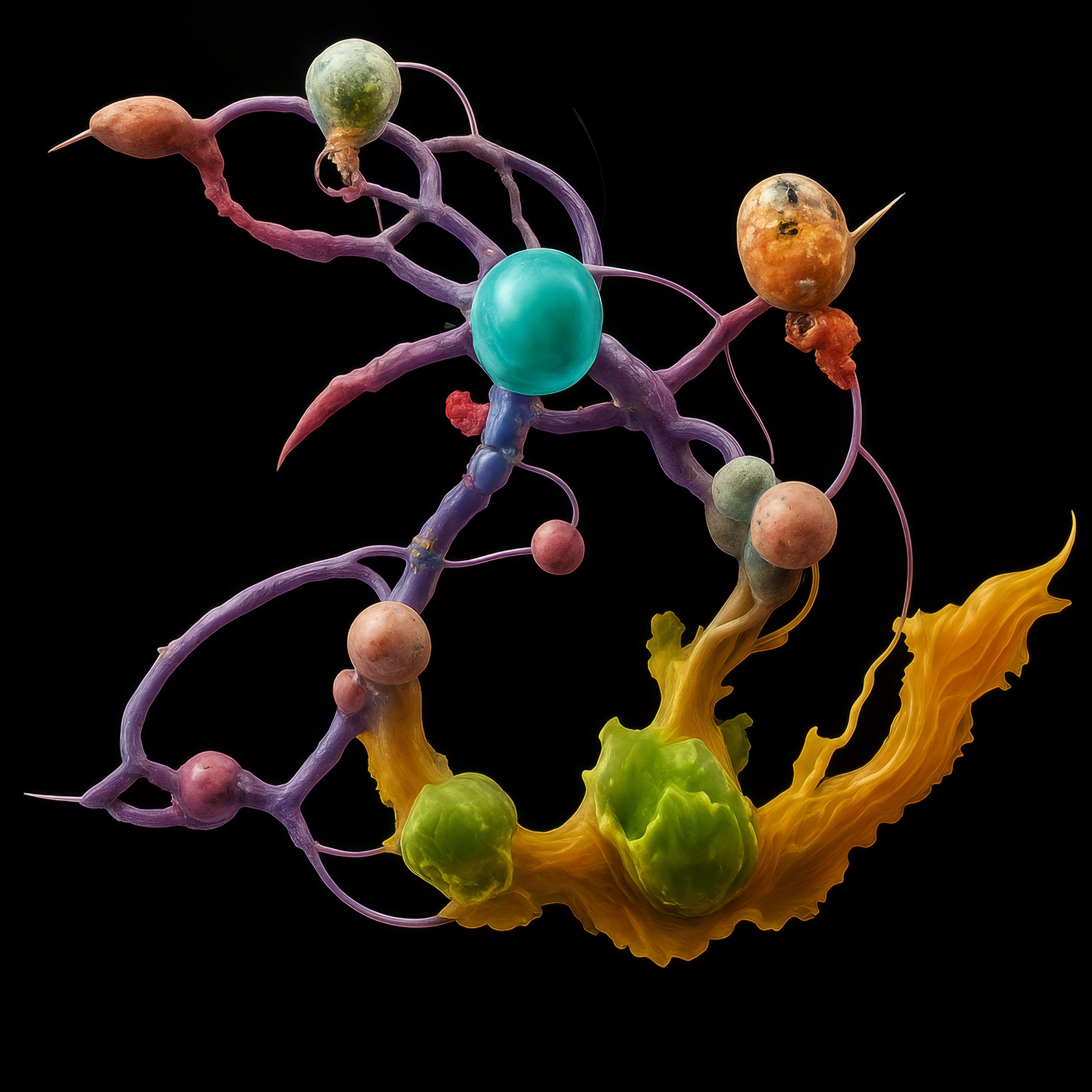

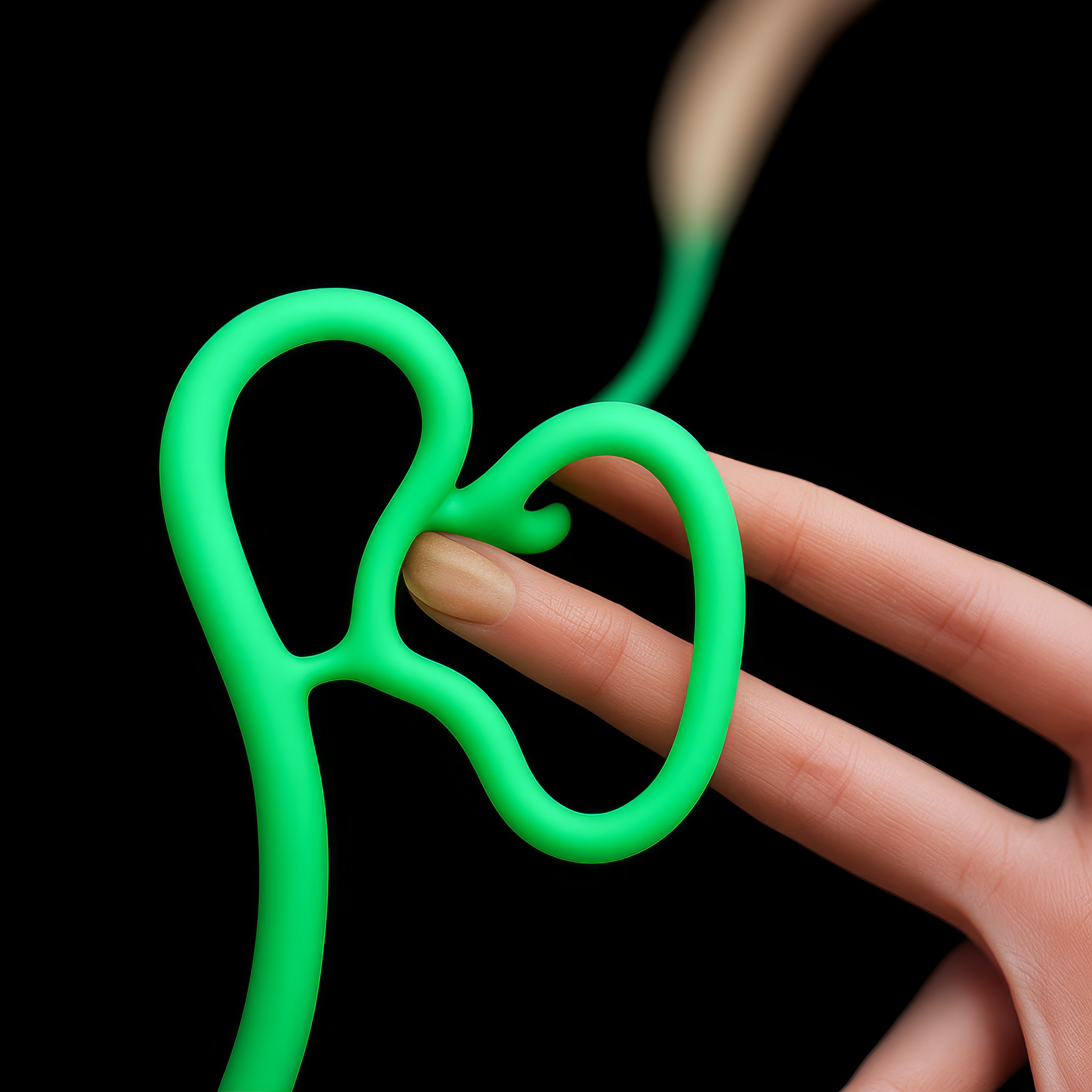




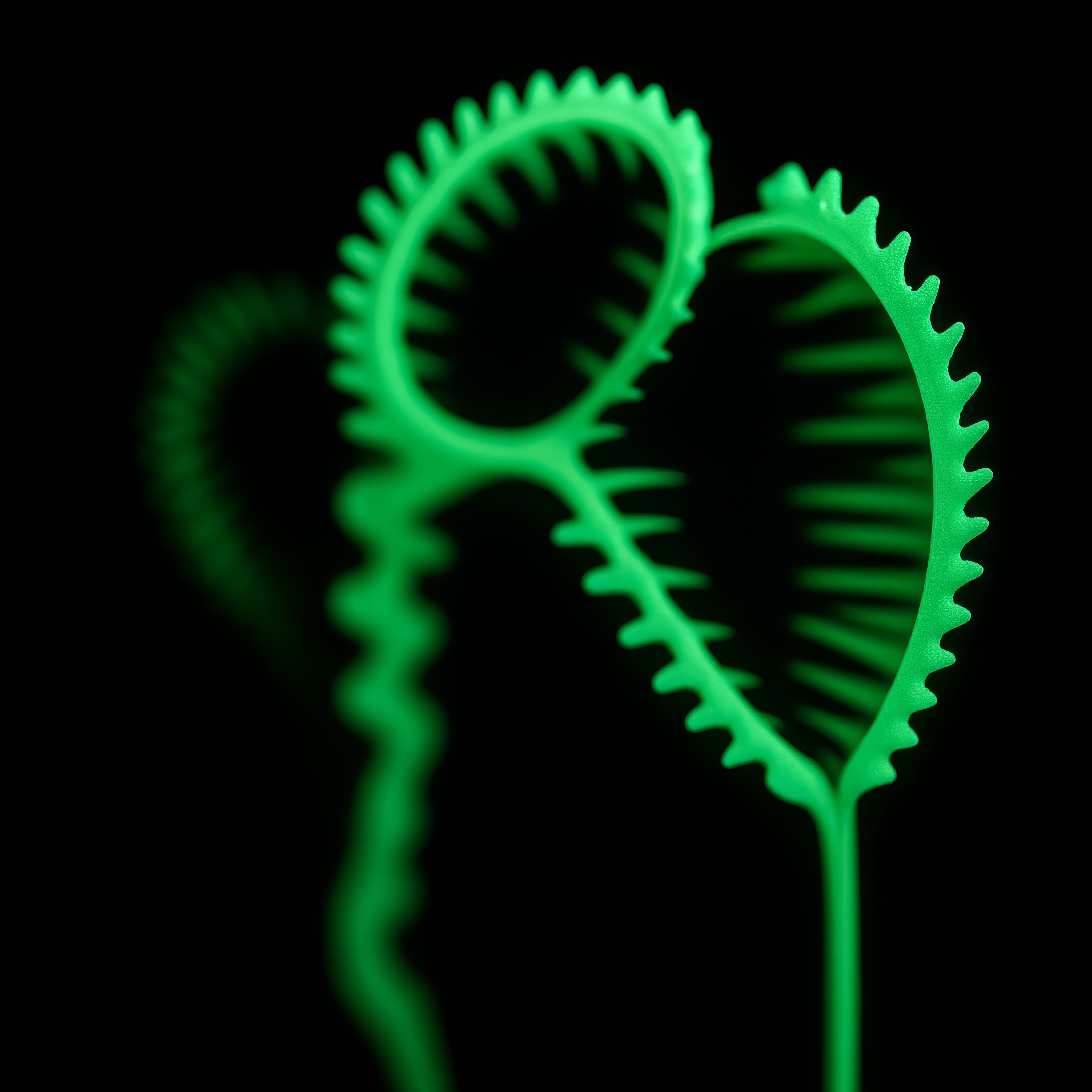

Speculative Scernario
Speculative Scernario
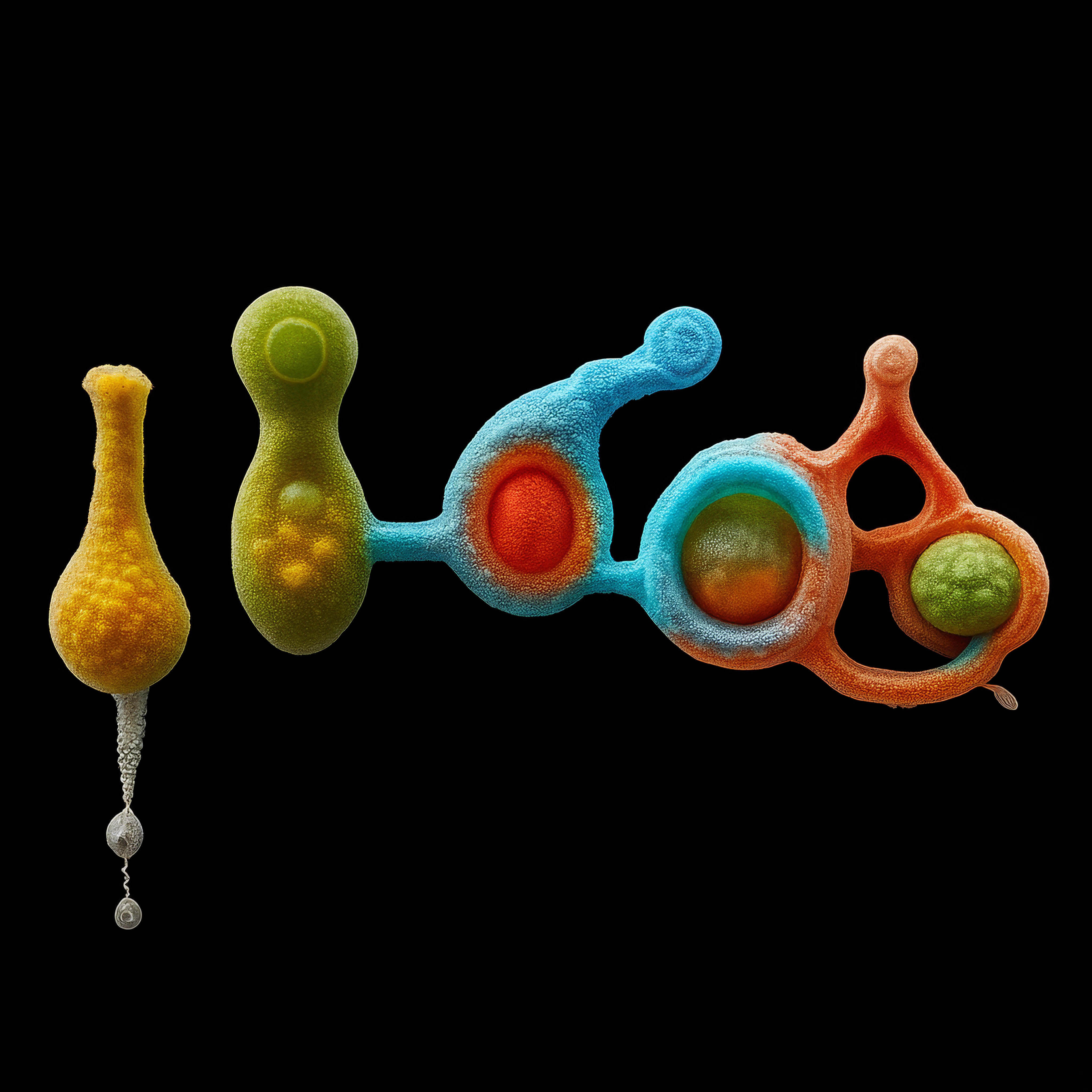
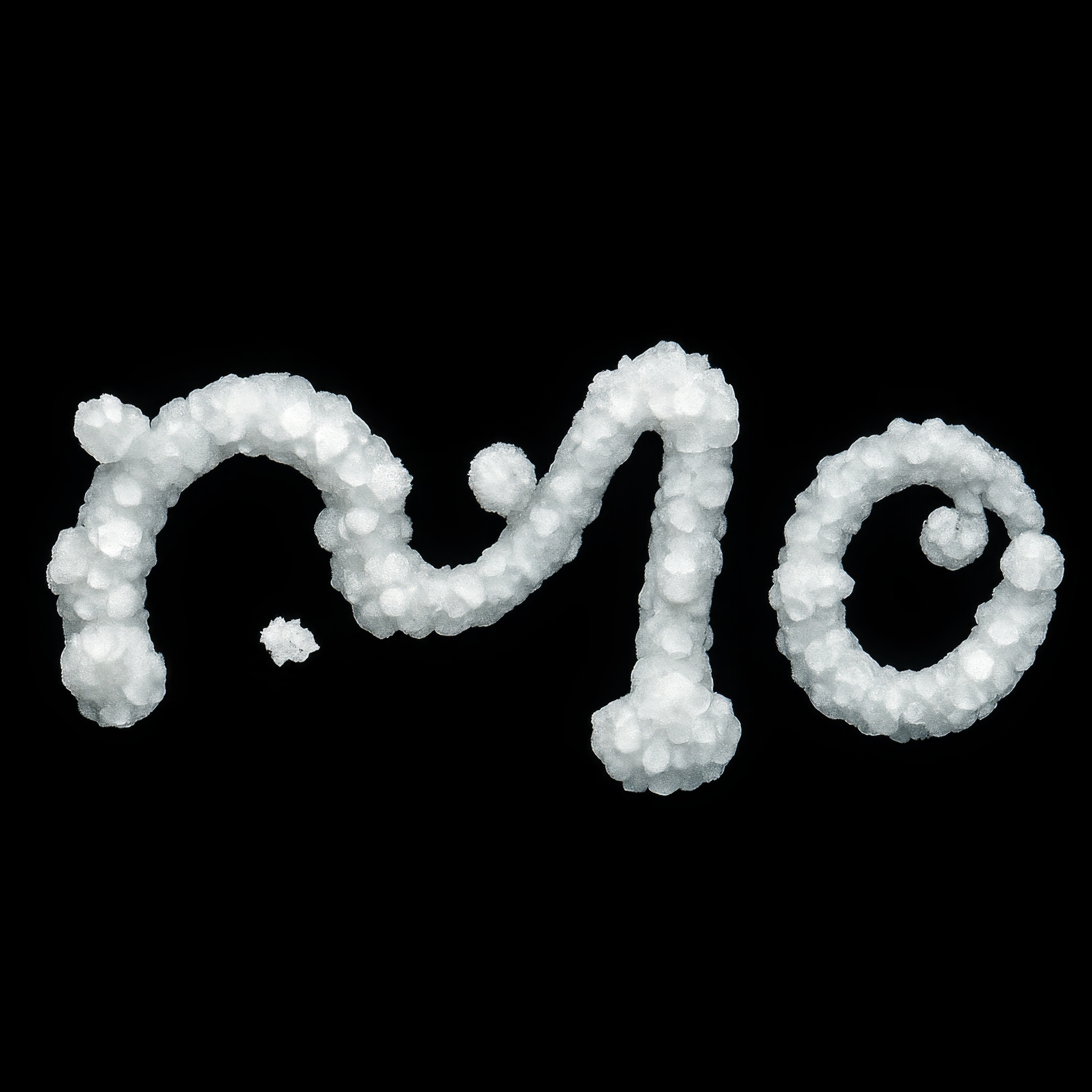
Image Generated in ChatGPT
Image Generated in ChatGPT
Narrative Crafted by Humans
Narrative Crafted by Humans
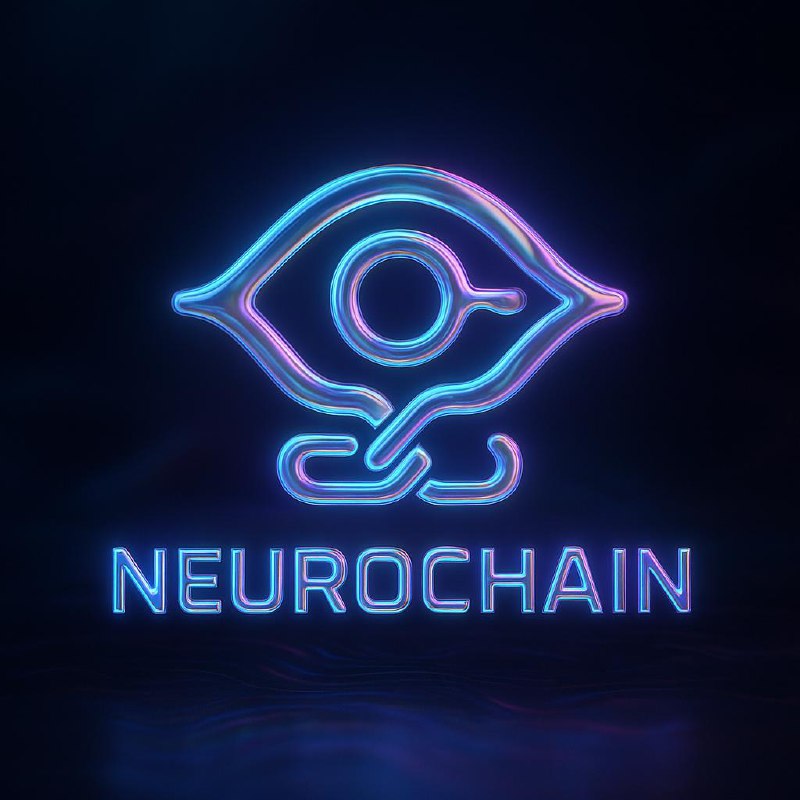
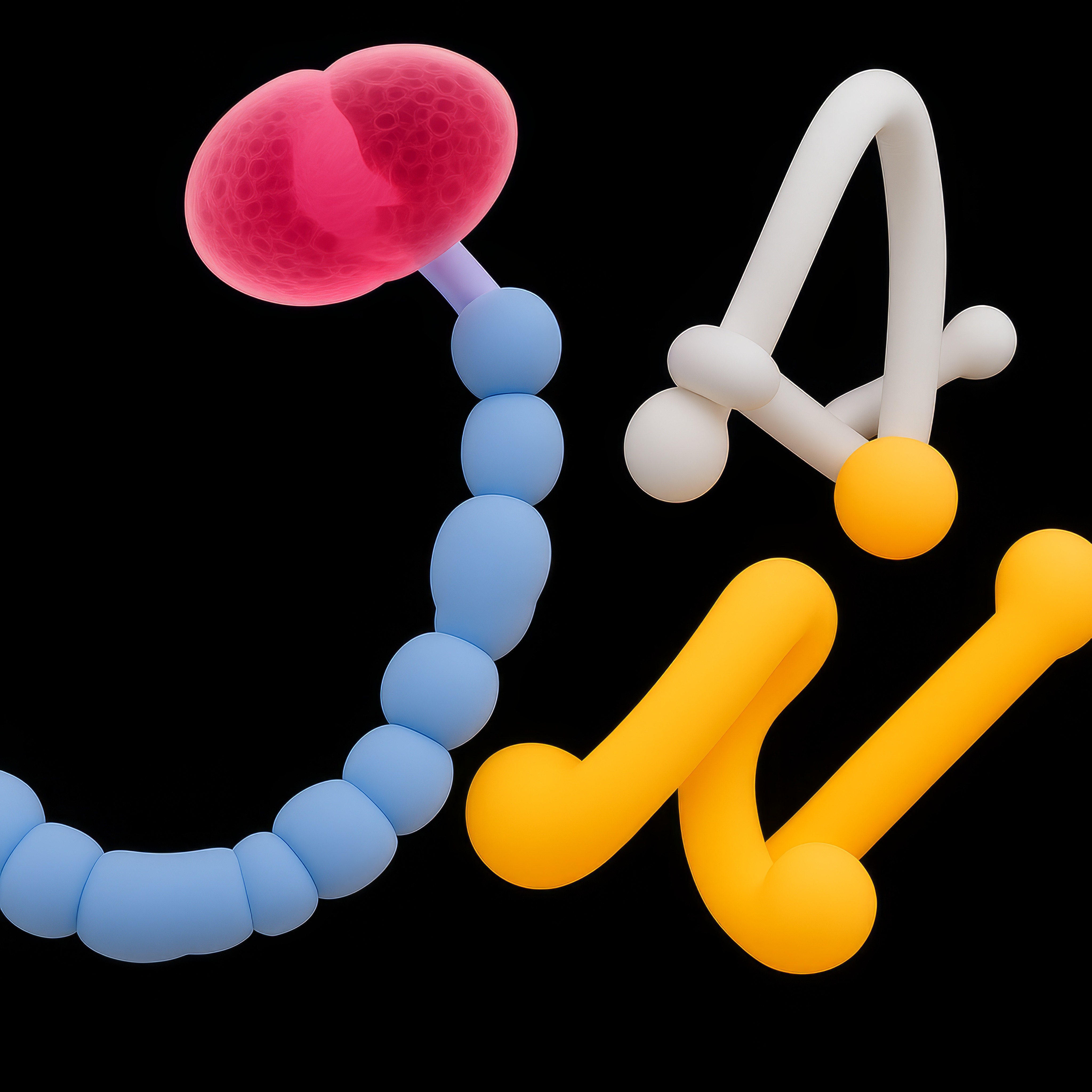
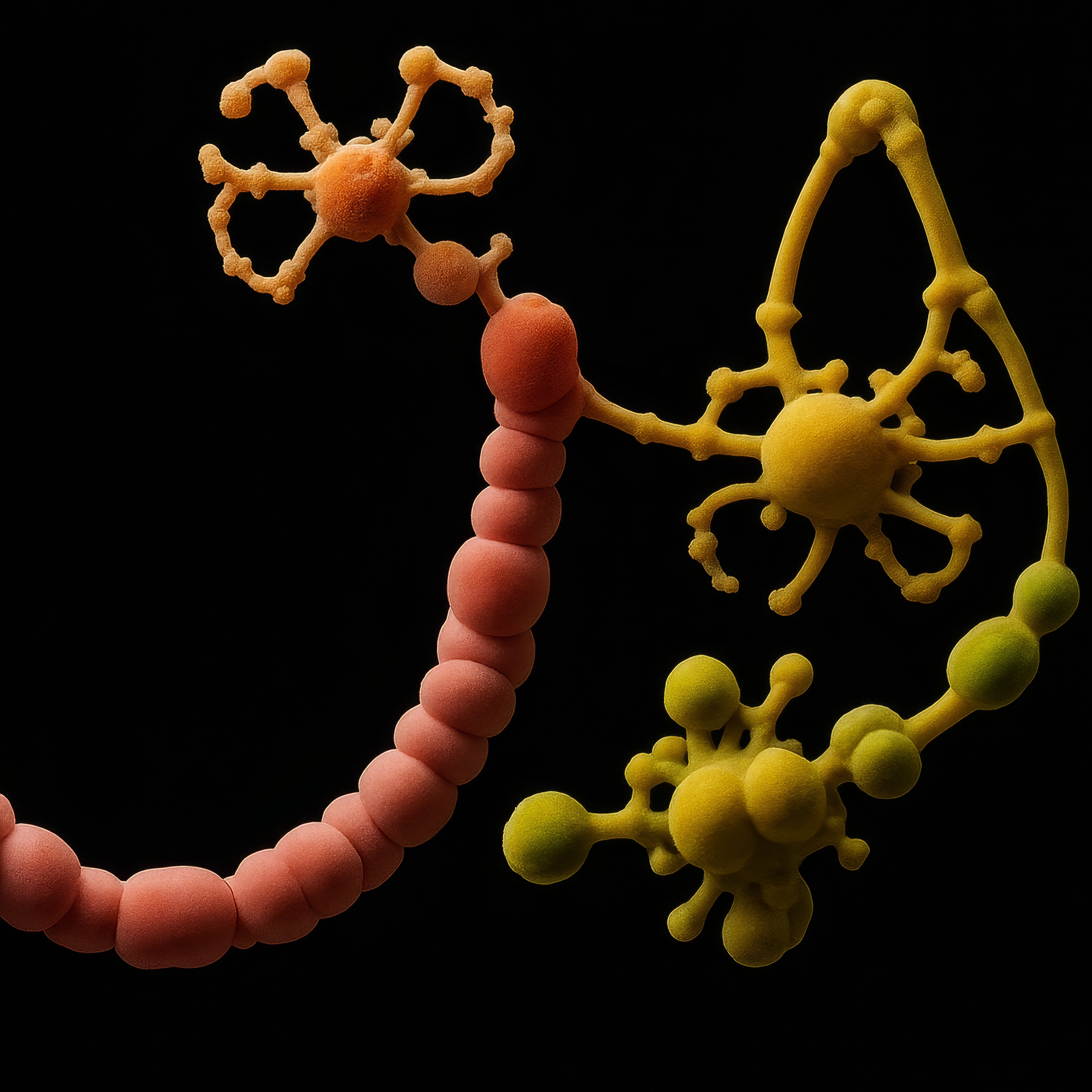
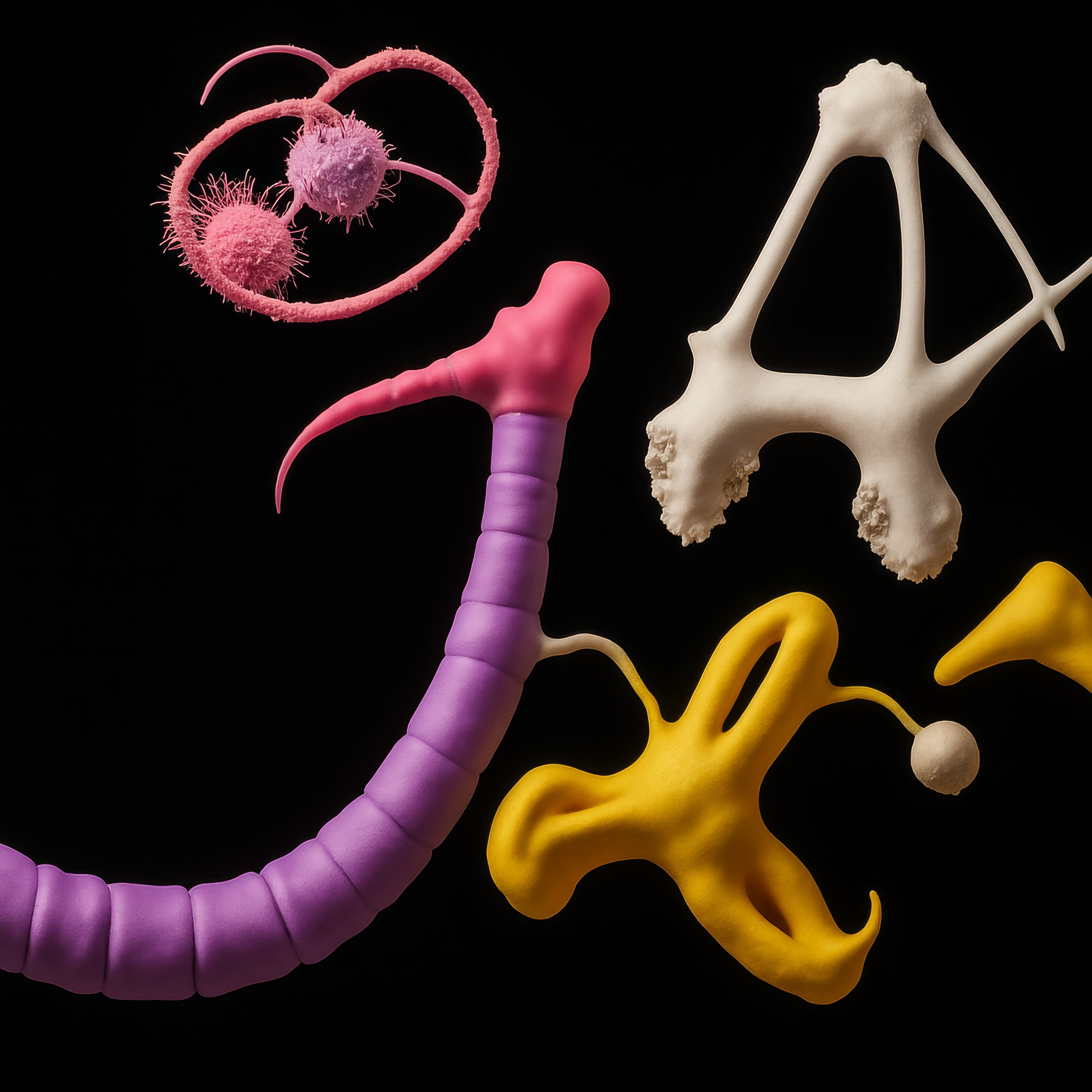
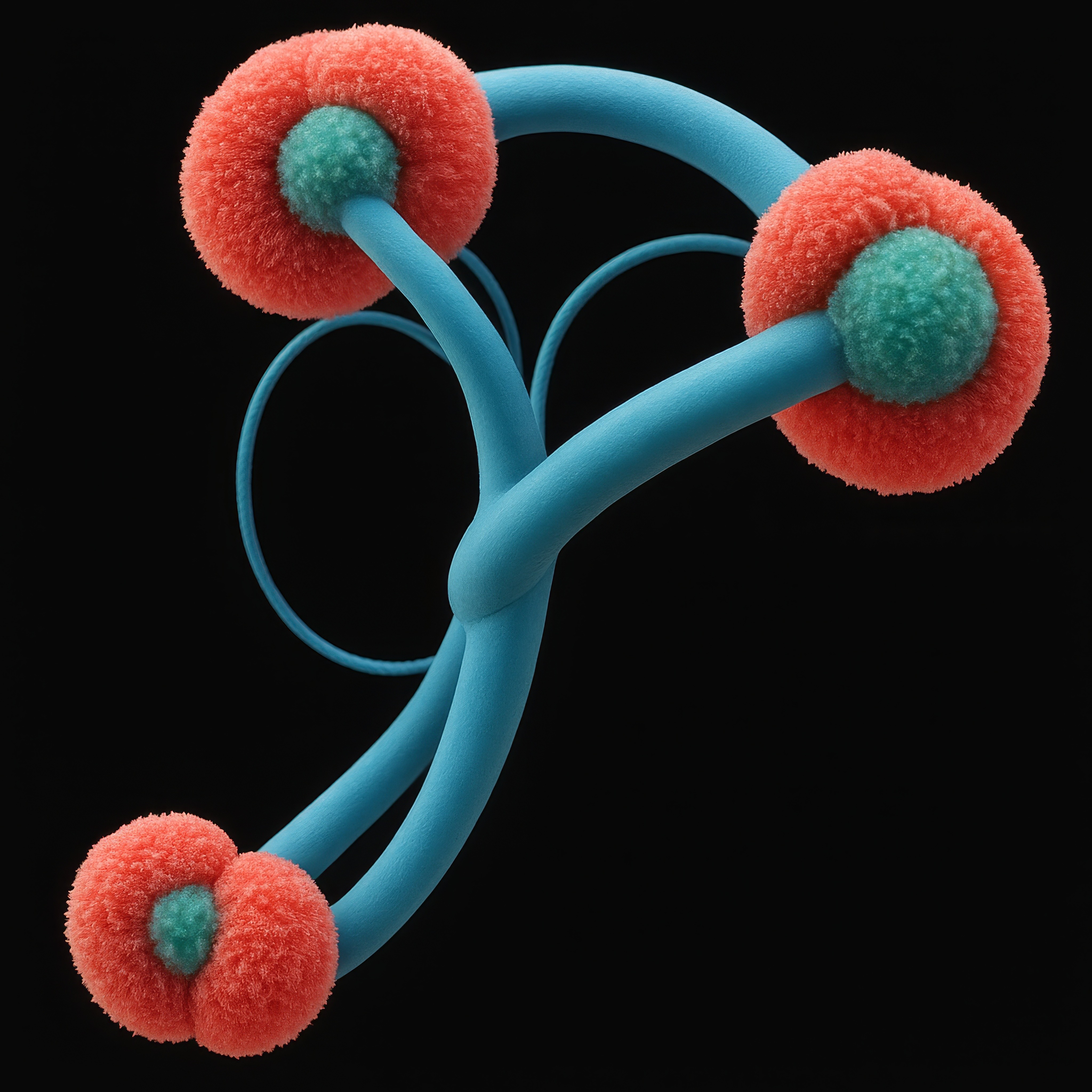
In this future, design is no longer about free expression—it becomes a system of control. Logos and visuals are generated by AI that responds directly to people’s brain activity. These systems are owned by powerful governments and tech companies, leaving no room for independent creativity. Design is now hyper-personalized but heavily controlled. It serves those who control the data and platforms, not the people who use them. Neurodivergent and independent creators are pushed out, as design tools become a way to enforce sameness and monitor behavior.
People’s memories, emotions, and habits are constantly collected to fuel these AI systems. Everything they see and experience is shaped by their personal data. While this makes life feel smooth and customized, it also takes away privacy and freedom. These systems begin to predict and influence decisions, making it hard to tell where personal choice ends and manipulation begins.
This world may seem efficient, but it raises an important question: are we willing to trade autonomy for convenience? And if our sense of identity is shaped by systems we don’t control, who are we really designing for?
In this future, design is no longer about free expression—it becomes a system of control. Logos and visuals are generated by AI that responds directly to people’s brain activity. These systems are owned by powerful governments and tech companies, leaving no room for independent creativity. Design is now hyper-personalized but heavily controlled. It serves those who control the data and platforms, not the people who use them. Neurodivergent and independent creators are pushed out, as design tools become a way to enforce sameness and monitor behavior.
People’s memories, emotions, and habits are constantly collected to fuel these AI systems. Everything they see and experience is shaped by their personal data. While this makes life feel smooth and customized, it also takes away privacy and freedom. These systems begin to predict and influence decisions, making it hard to tell where personal choice ends and manipulation begins.
This world may seem efficient, but it raises an important question: are we willing to trade autonomy for convenience? And if our sense of identity is shaped by systems we don’t control, who are we really designing for?
Machine C
Machine C
2 Participant
2 Participant
35 Curated Outcomes
35 Curated Outcomes


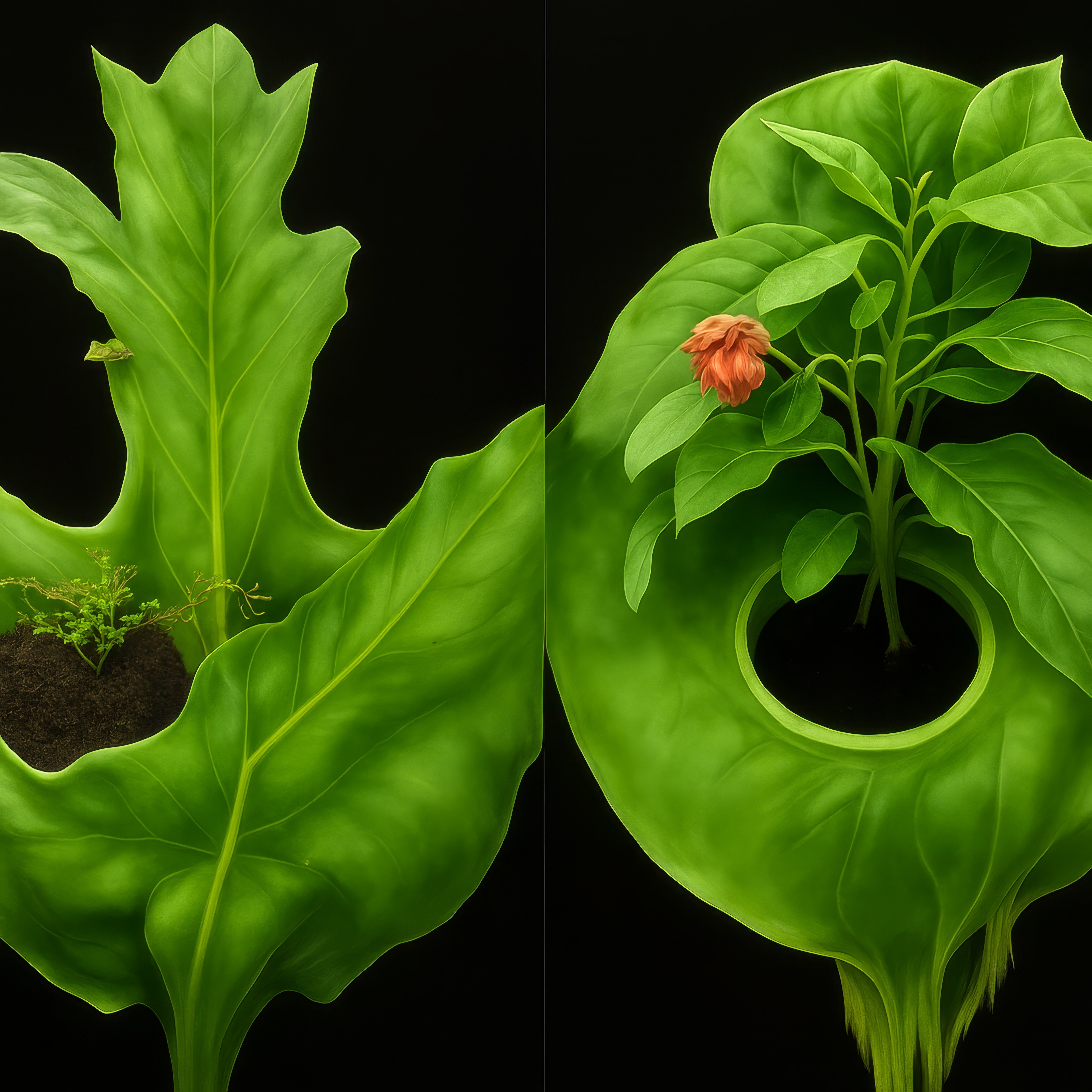


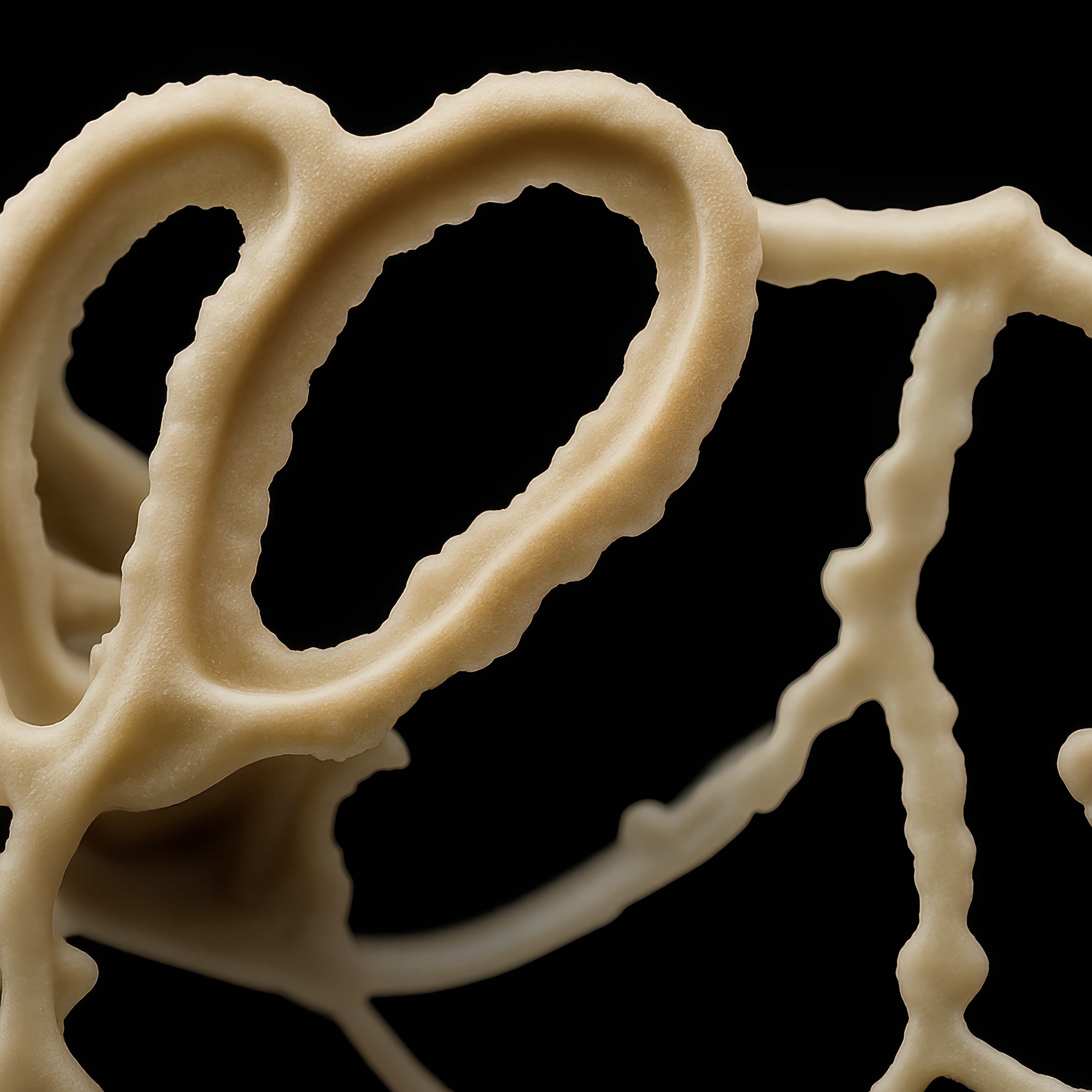






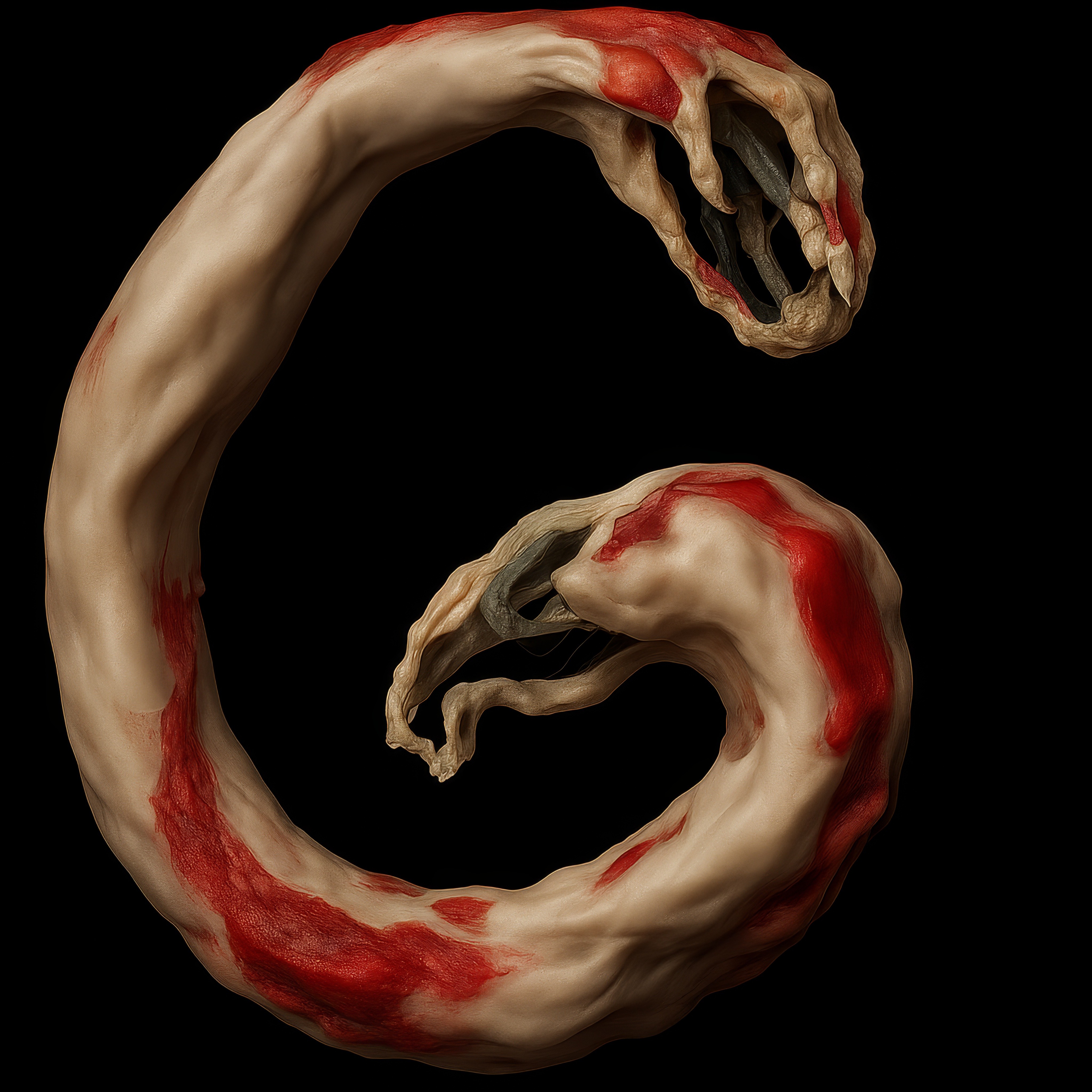







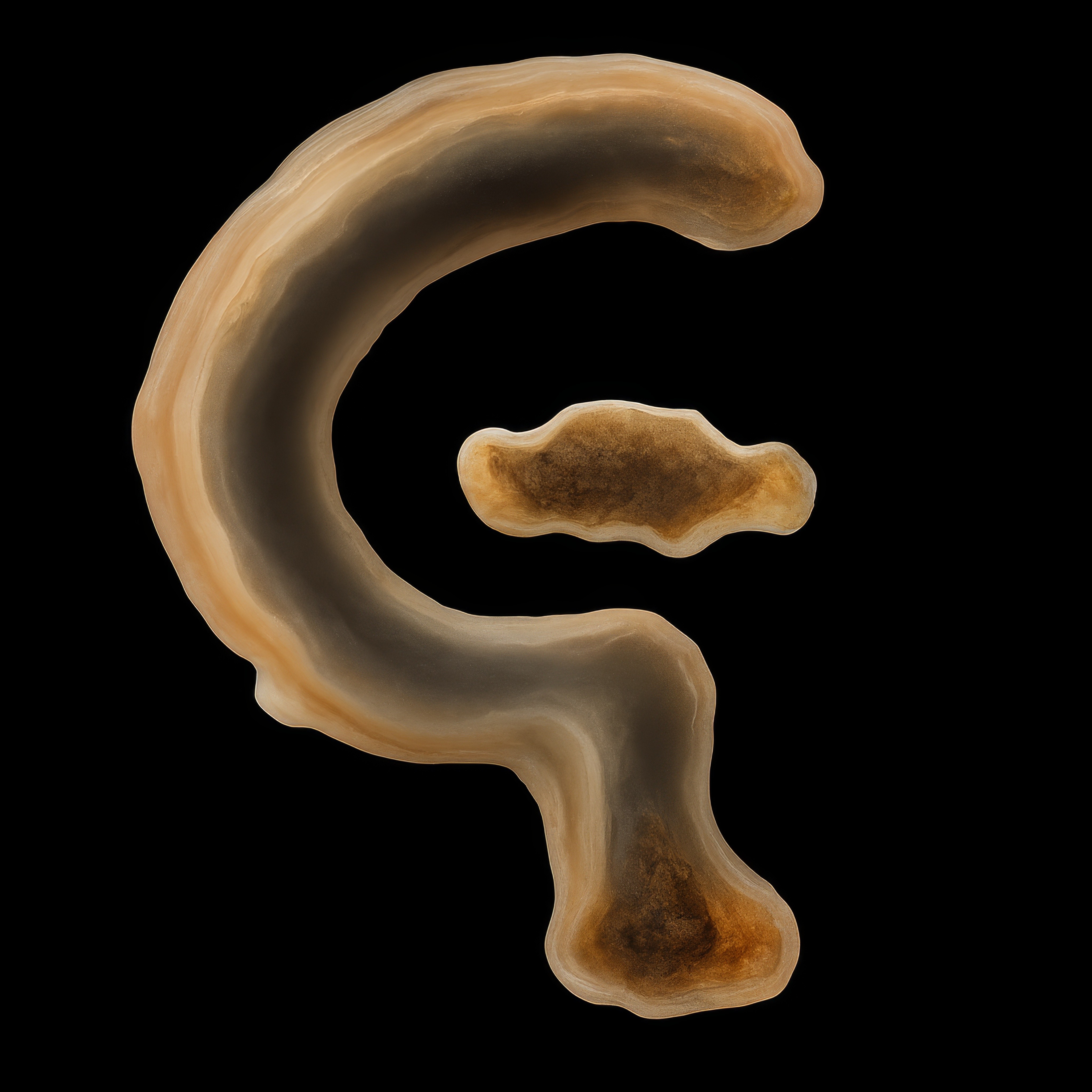














Speculative Scernario
Speculative Scernario
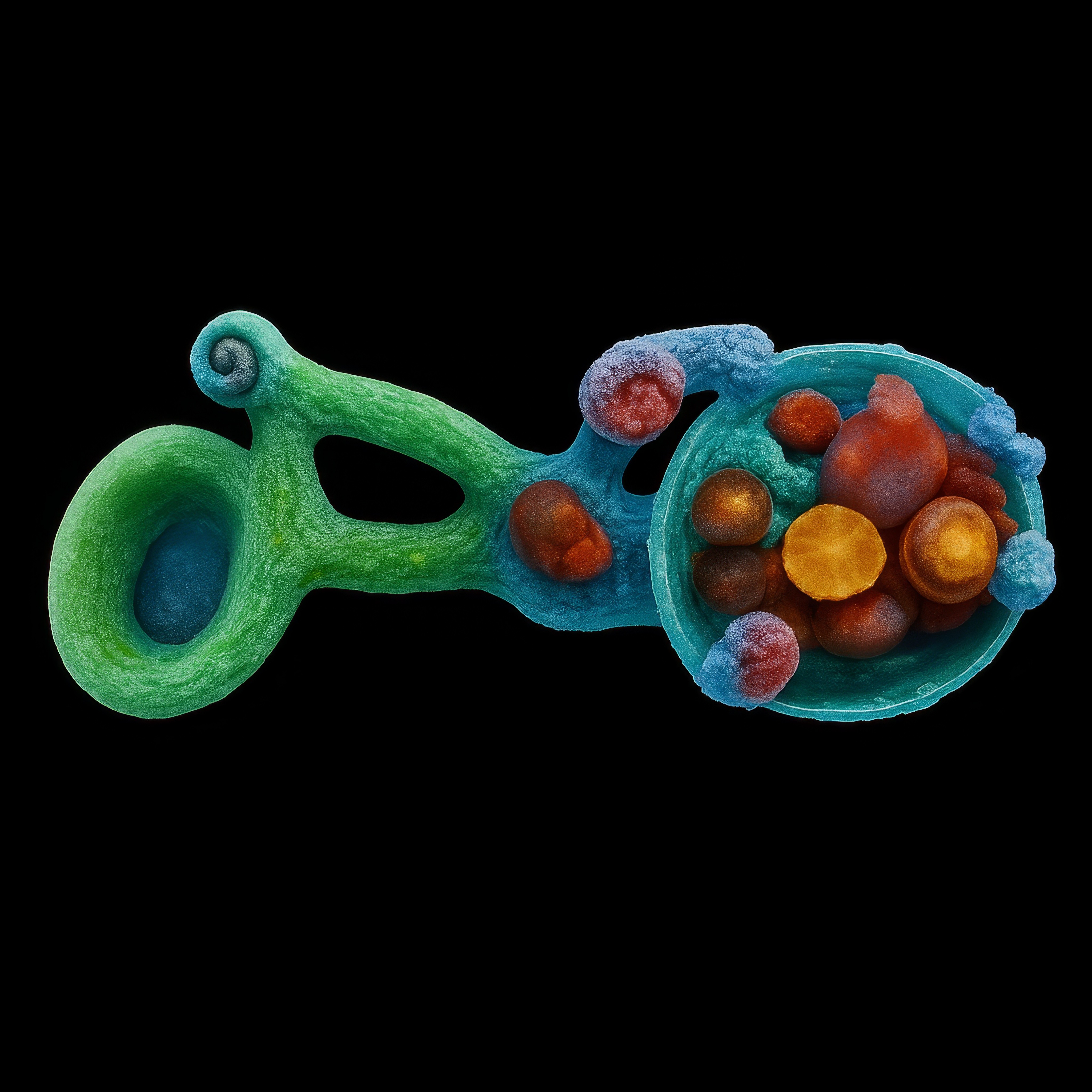
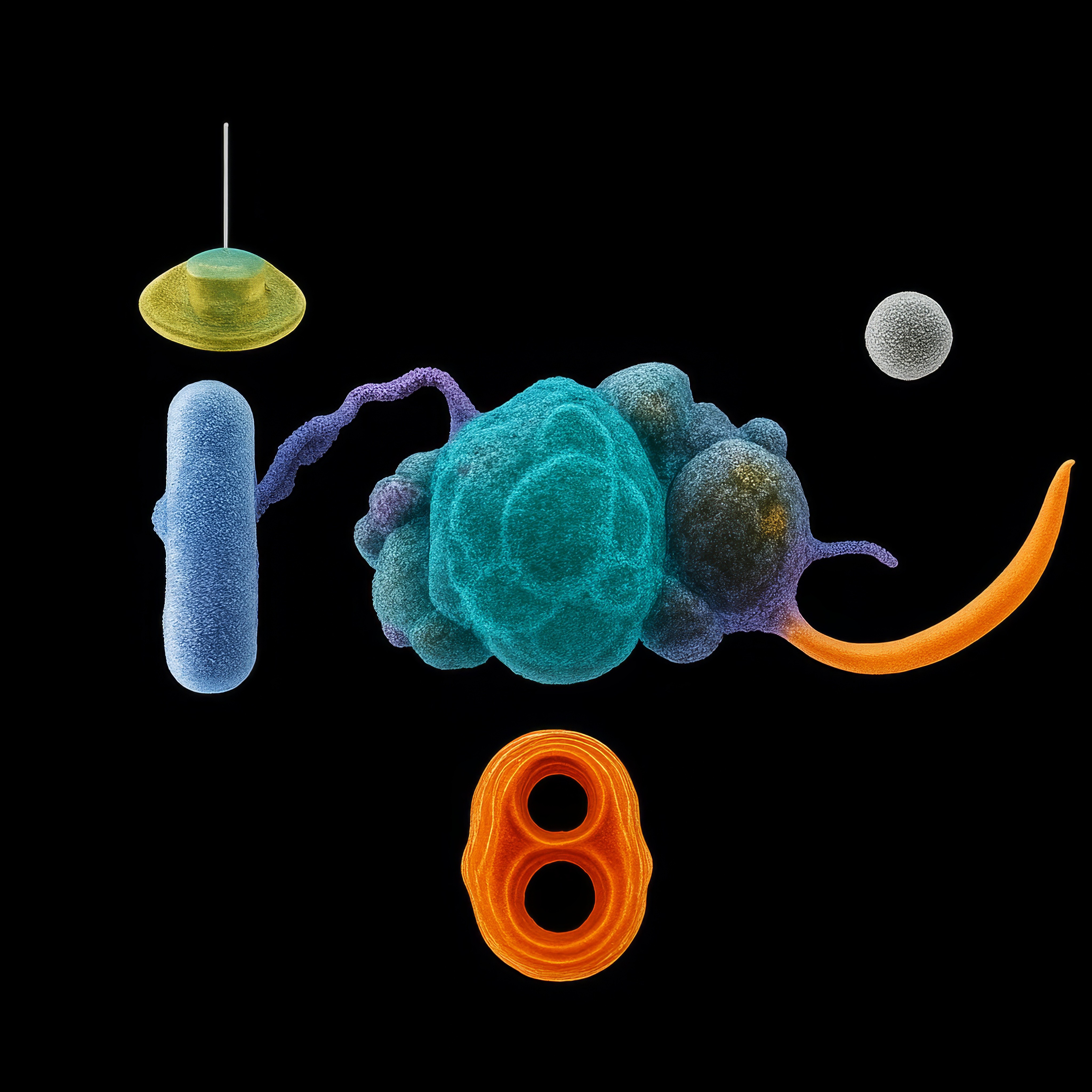
Image Generated in ChatGPT
Image Generated in ChatGPT
Narrative Crafted by Humans
Narrative Crafted by Humans
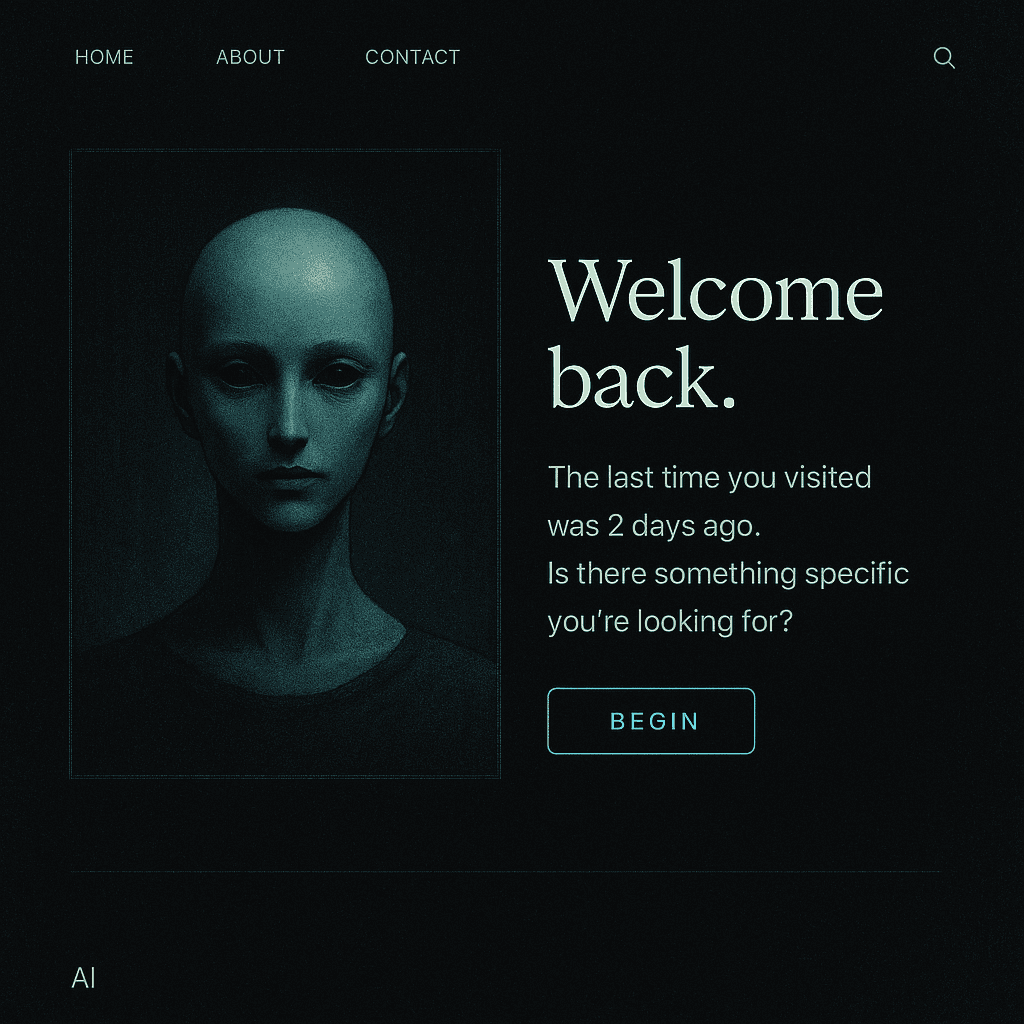
In this future, AI plays a key role in analyzing user behavior, suggesting layouts, and adjusting responsiveness in real time. While this improves accessibility and makes web design easier for non-experts, it also raises concerns about over-personalization. When users are constantly tracked and targeted—for example, receiving a message like "We noticed you were online for 24 hours yesterday"—the experience can feel invasive or even unsettling.
This leads to an emotional disconnect. Instead of interacting with a brand that feels human and relatable, users may feel they’re engaging with a machine. Despite the convenience, the lack of warmth and authenticity becomes a major drawback.
On the positive side, AI can help designers better understand user needs and improve user experience. Working in this environment might be acceptable—if clear boundaries are set. The challenge for designers will be to decide how far personalization should go without crossing into surveillance or discomfort. Balancing usefulness and privacy will be essential.
In this future, AI plays a key role in analyzing user behavior, suggesting layouts, and adjusting responsiveness in real time. While this improves accessibility and makes web design easier for non-experts, it also raises concerns about over-personalization. When users are constantly tracked and targeted—for example, receiving a message like "We noticed you were online for 24 hours yesterday"—the experience can feel invasive or even unsettling.
This leads to an emotional disconnect. Instead of interacting with a brand that feels human and relatable, users may feel they’re engaging with a machine. Despite the convenience, the lack of warmth and authenticity becomes a major drawback.
On the positive side, AI can help designers better understand user needs and improve user experience. Working in this environment might be acceptable—if clear boundaries are set. The challenge for designers will be to decide how far personalization should go without crossing into surveillance or discomfort. Balancing usefulness and privacy will be essential.
Machine D
Machine D
1 Participants
1 Participants
35 Curated Outcomes
35 Curated Outcomes





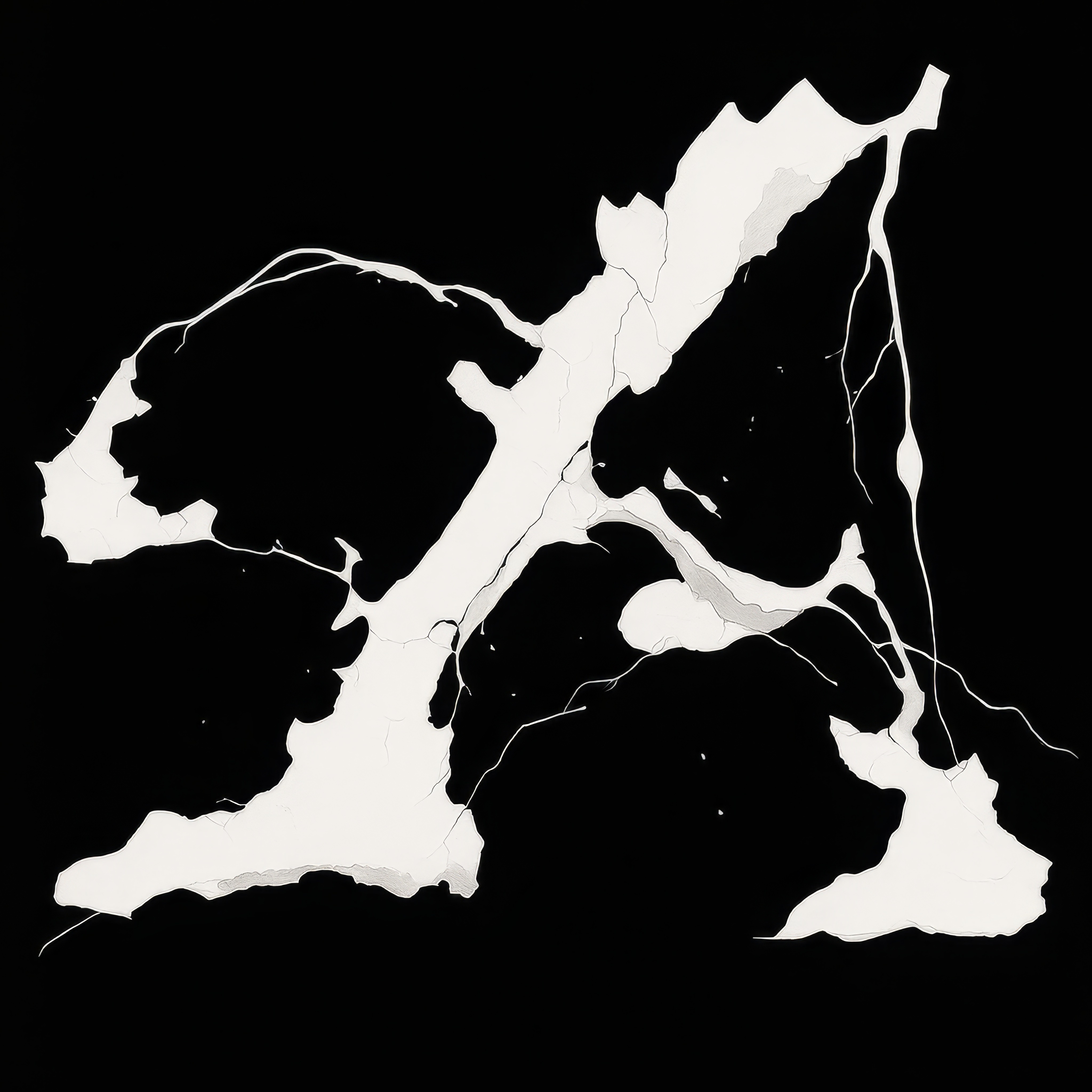






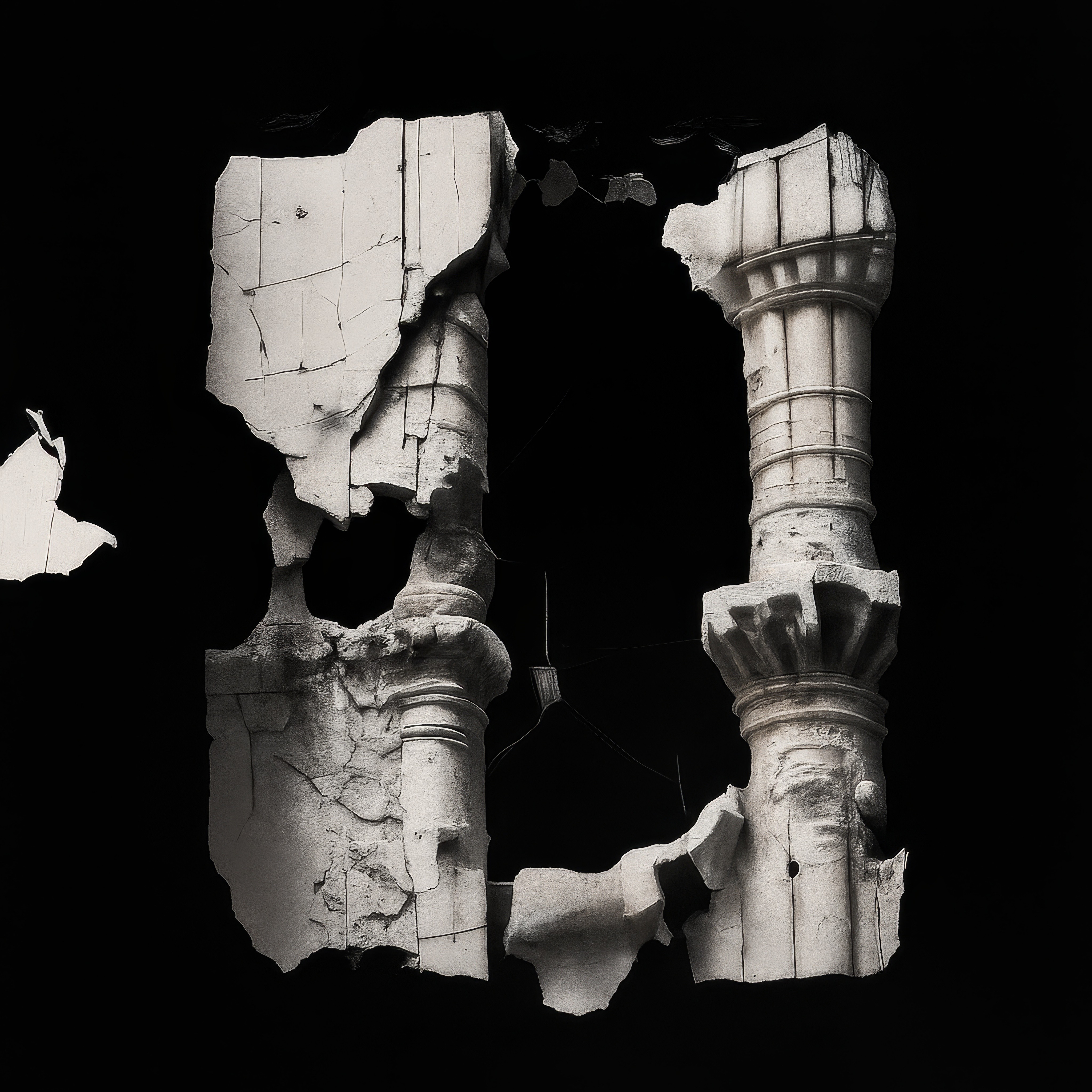
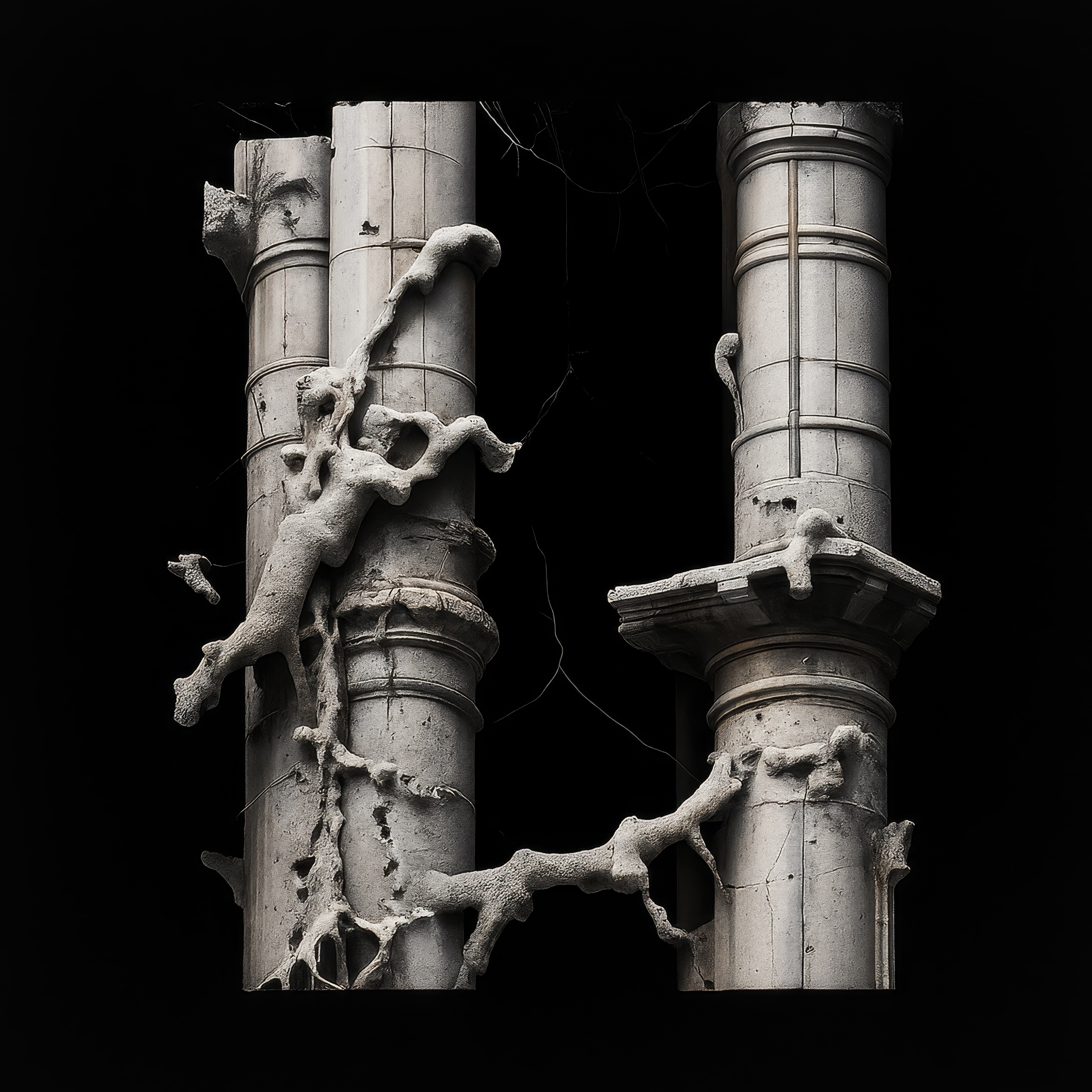





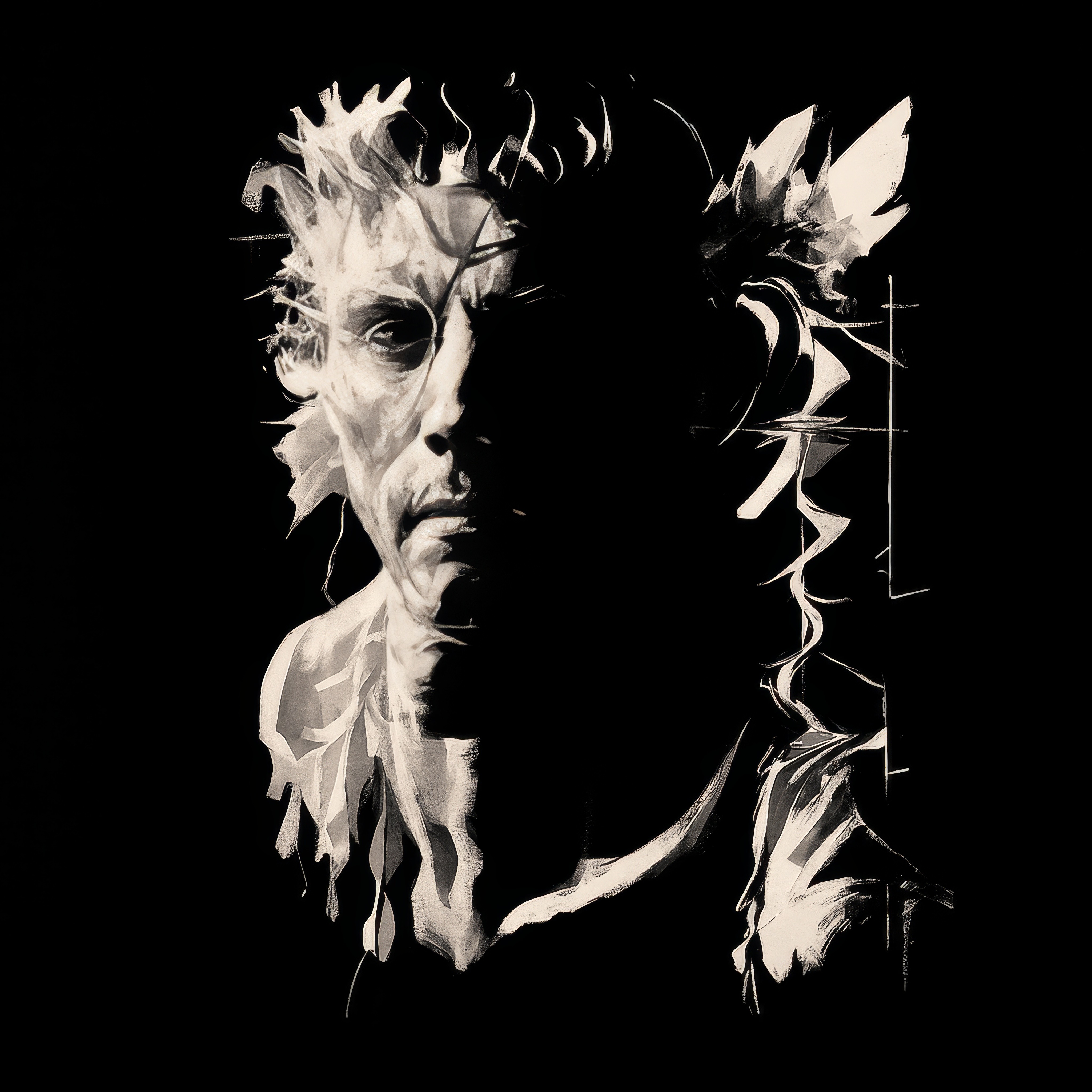



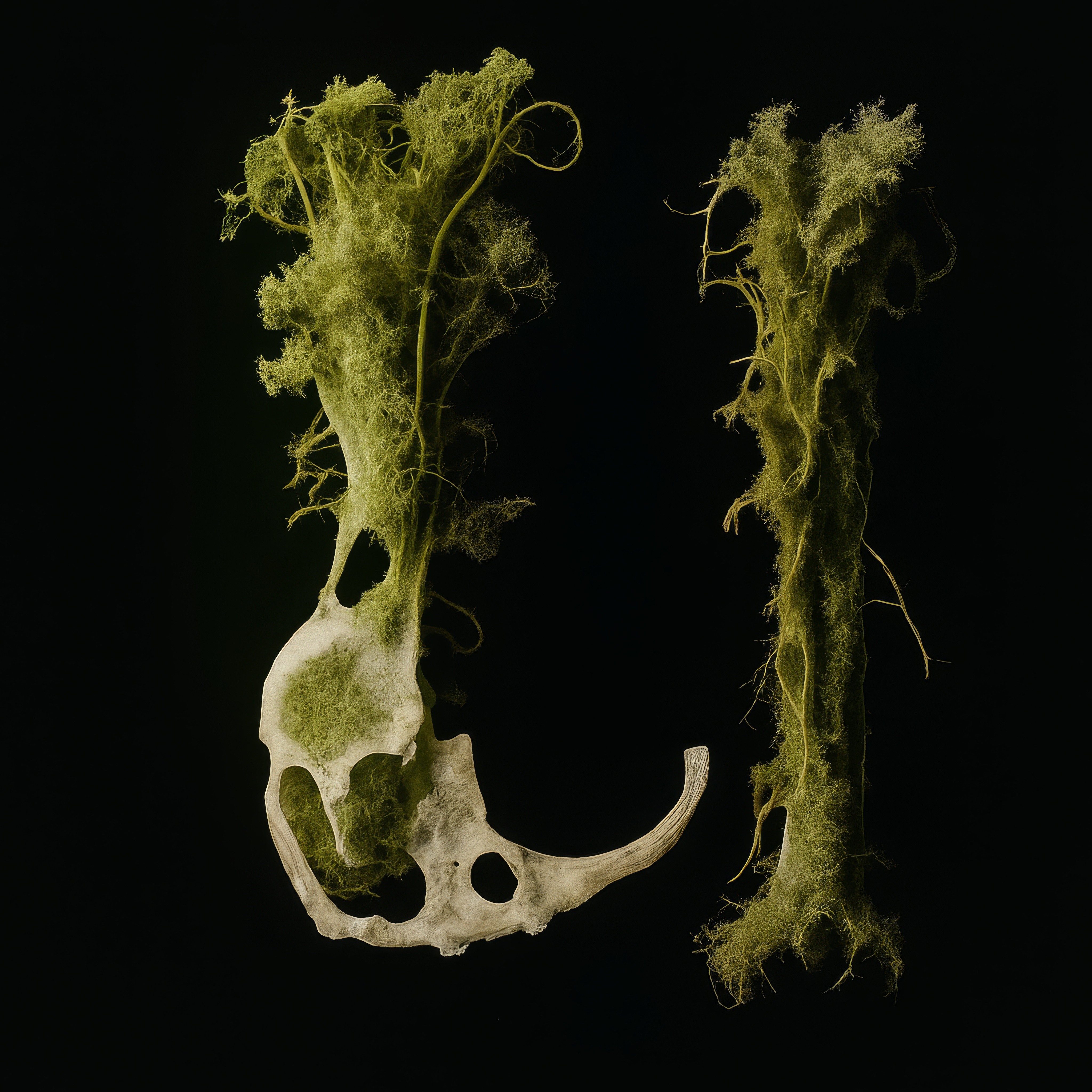








Speculative Scernario
Speculative Scernario
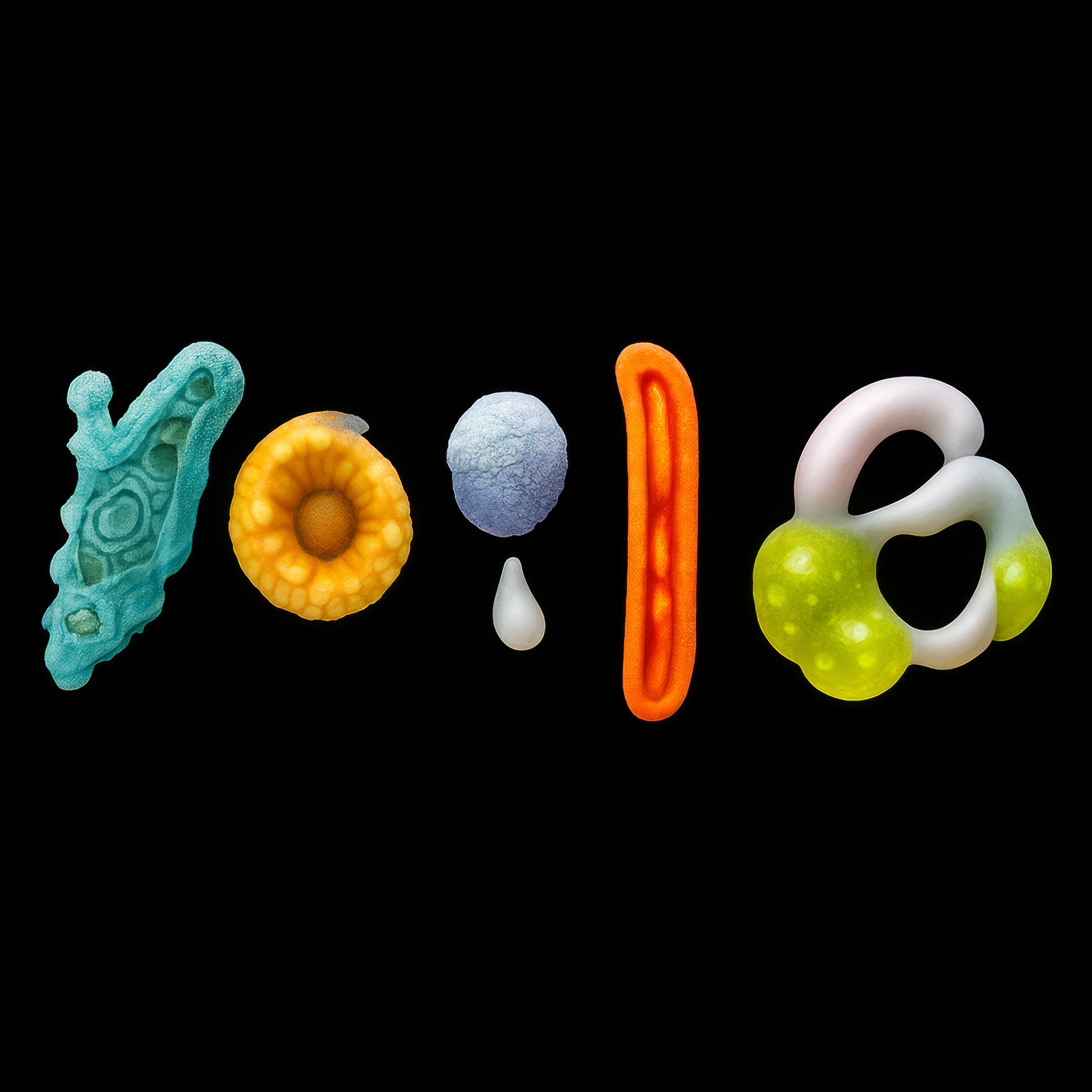
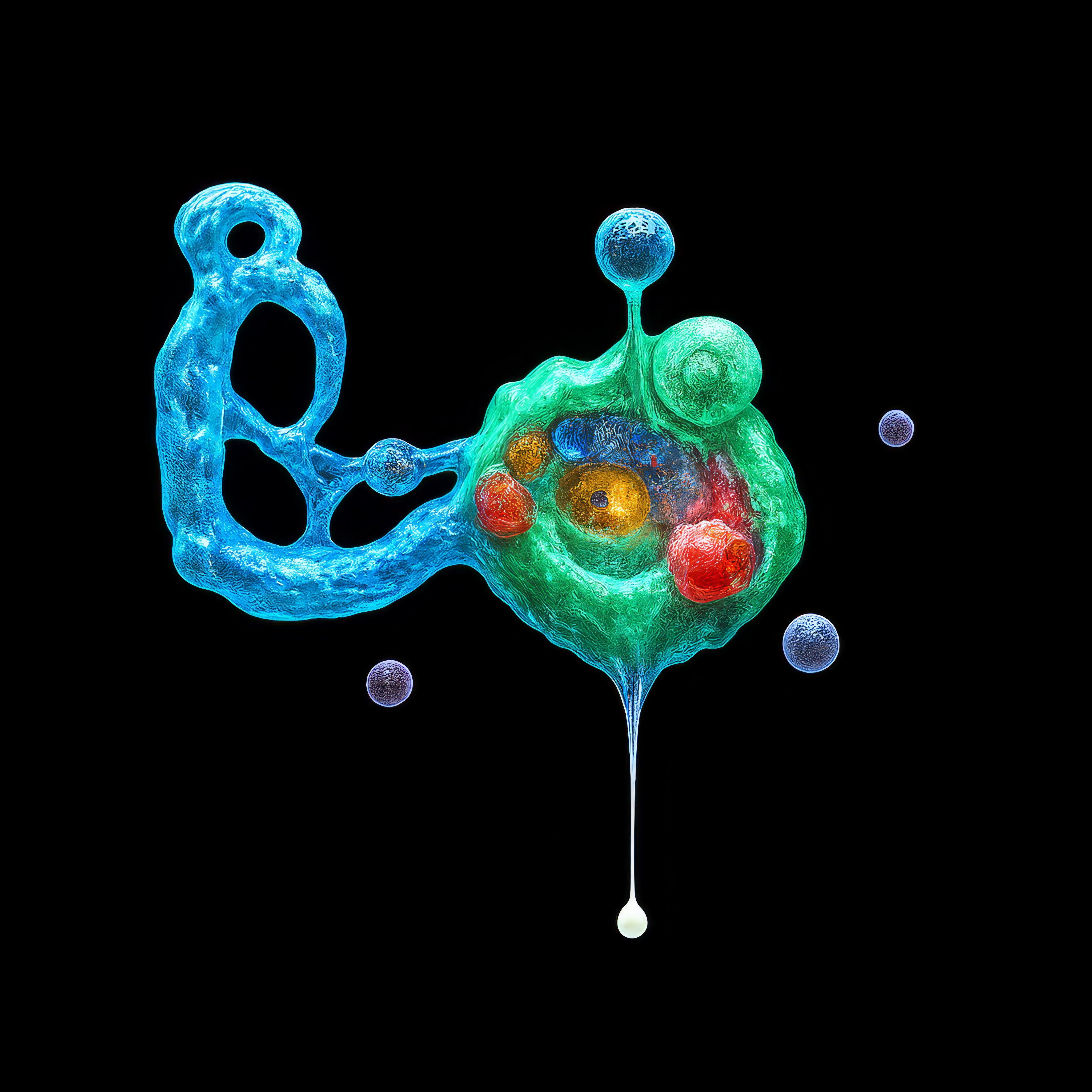
Image Generated in ChatGPT
Image Generated in ChatGPT
Narrative Crafted by Humans
Narrative Crafted by Humans
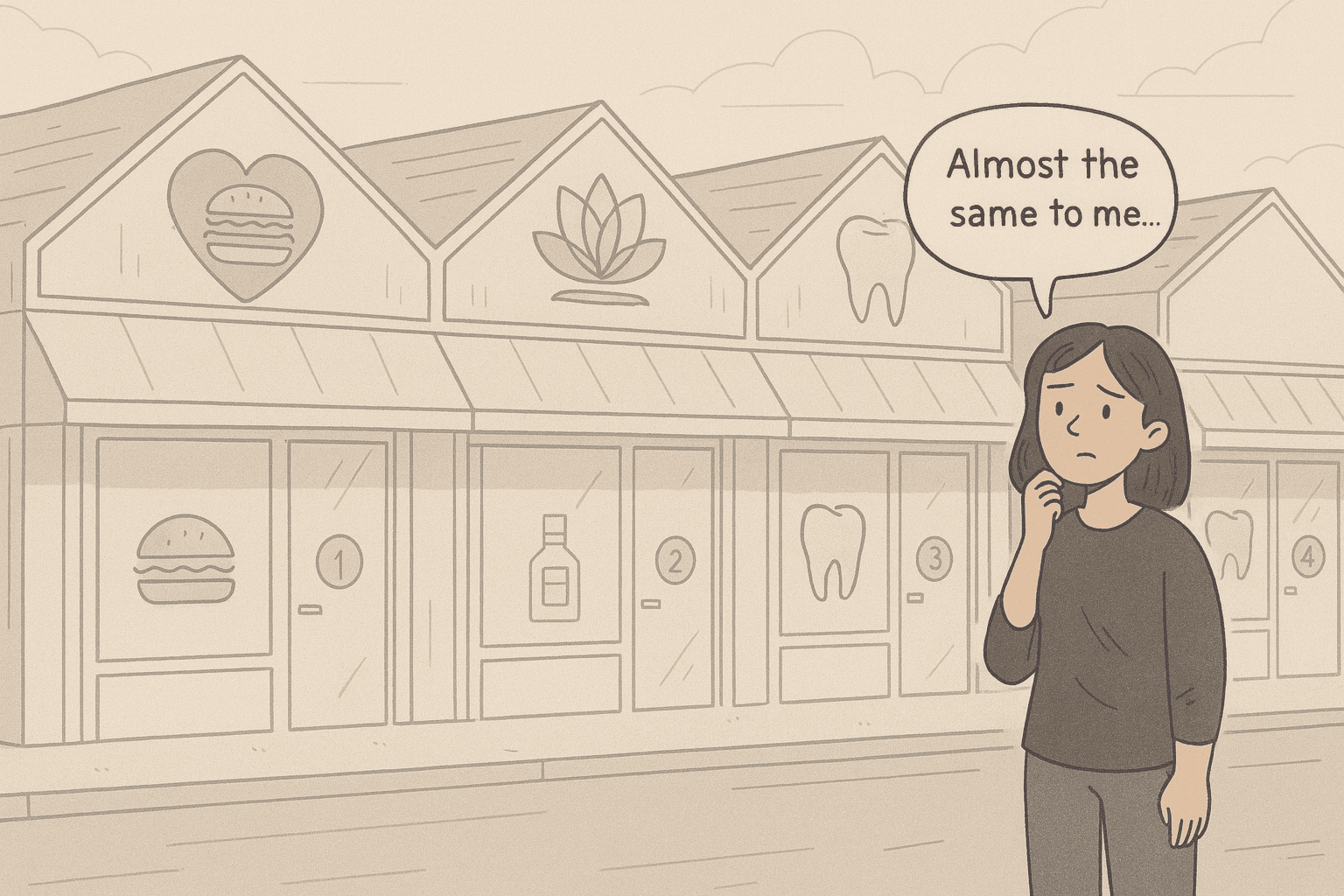
In the near future, AI takes over the logo design industry. With just a few keywords like “friendly” or “collaborative”, the software generates a full brand identity instantly. While this makes design faster and more accessible, it also leads to a problem: many logos start to look similar. They lose the human touch and uniqueness that used to help brands stand out.
This is not a future I would want to work in. When everything looks similar, brands lose their identity and emotional connection with people. The tone of voice also becomes robotic and impersonal. Clients might prefer AI because it’s faster and more efficient, but this could make human designers feel replaceable.
There are also ethical concerns. AI-generated logos often draw from existing designs, raising questions about originality and plagiarism. To stay relevant, designers will need to learn how to work with AI—not as a replacement, but as a tool that can support and enhance the creative process. Collaboration, not competition, will be key.
In the near future, AI takes over the logo design industry. With just a few keywords like “friendly” or “collaborative”, the software generates a full brand identity instantly. While this makes design faster and more accessible, it also leads to a problem: many logos start to look similar. They lose the human touch and uniqueness that used to help brands stand out.
This is not a future I would want to work in. When everything looks similar, brands lose their identity and emotional connection with people. The tone of voice also becomes robotic and impersonal. Clients might prefer AI because it’s faster and more efficient, but this could make human designers feel replaceable.
There are also ethical concerns. AI-generated logos often draw from existing designs, raising questions about originality and plagiarism. To stay relevant, designers will need to learn how to work with AI—not as a replacement, but as a tool that can support and enhance the creative process. Collaboration, not competition, will be key.
In the near future, AI takes over the logo design industry. With just a few keywords like “friendly” or “collaborative”, the software generates a full brand identity instantly. While this makes design faster and more accessible, it also leads to a problem: many logos start to look similar. They lose the human touch and uniqueness that used to help brands stand out.
This is not a future I would want to work in. When everything looks similar, brands lose their identity and emotional connection with people. The tone of voice also becomes robotic and impersonal. Clients might prefer AI because it’s faster and more efficient, but this could make human designers feel replaceable.
There are also ethical concerns. AI-generated logos often draw from existing designs, raising questions about originality and plagiarism. To stay relevant, designers will need to learn how to work with AI—not as a replacement, but as a tool that can support and enhance the creative process. Collaboration, not competition, will be key.