Workshop Session 2: Exploring Futures with Design Professionals
Workshop Session 2: Exploring Futures with Design Professionals
Workshop Session 2
Exploring Futures with Design Professionals
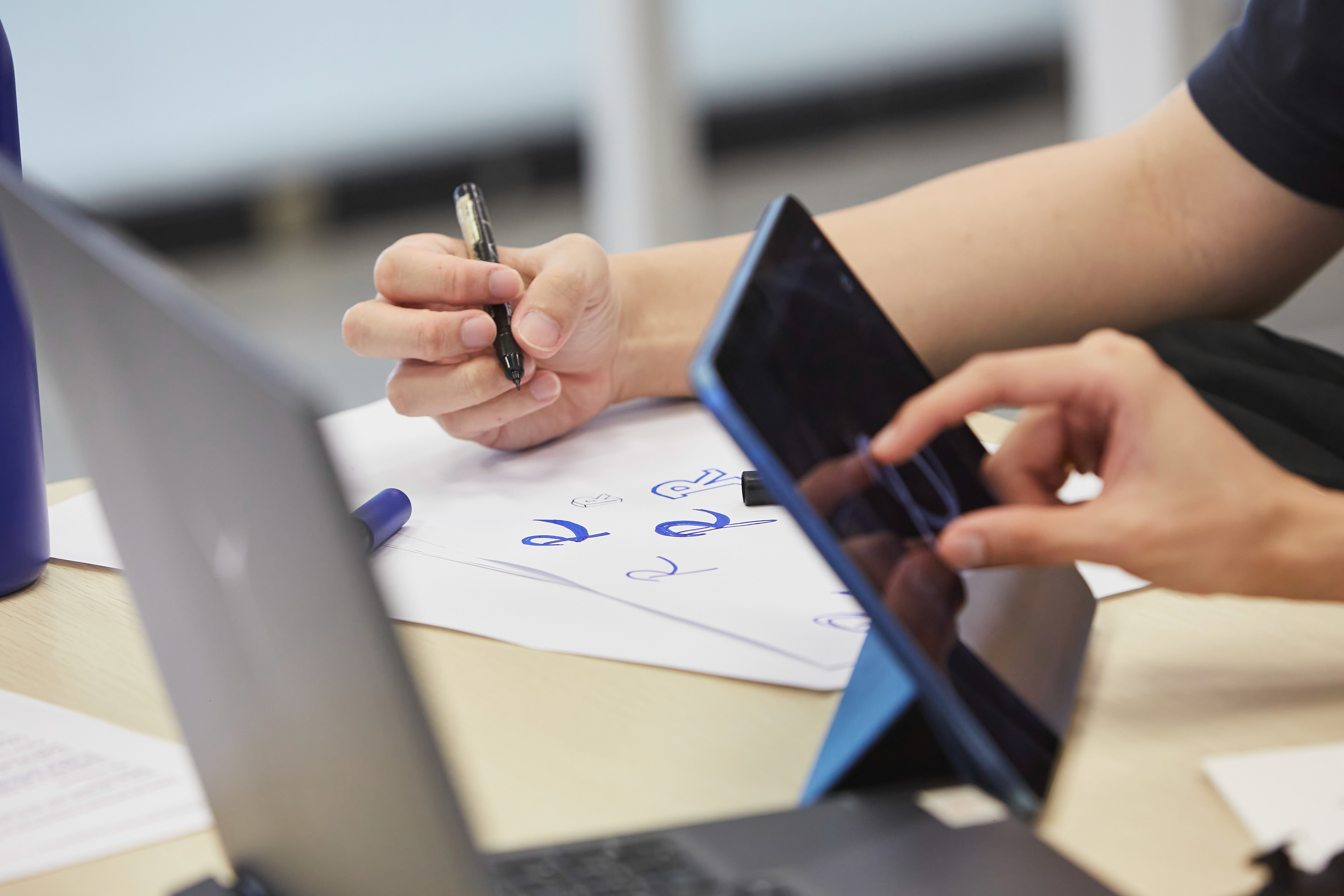
The second session of the speculative workshop was conducted with graphic design professionals and ran for four hours. The session began with a lighthearted icebreaker to introduce participants and create space for open, critical dialogue. Participants worked in pairs throughout, encouraging collaborative thinking and reflective discussion grounded in real-world experience.
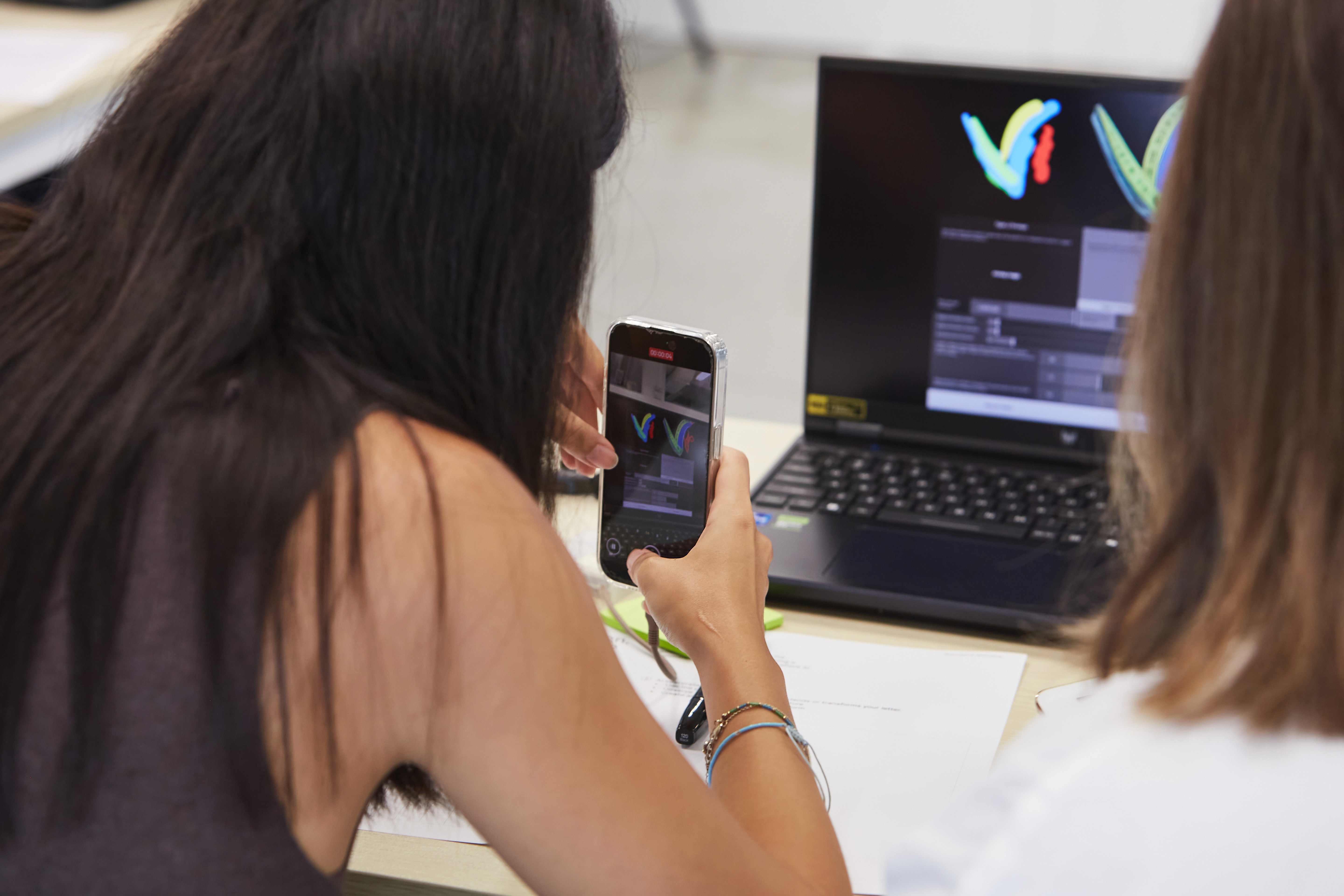
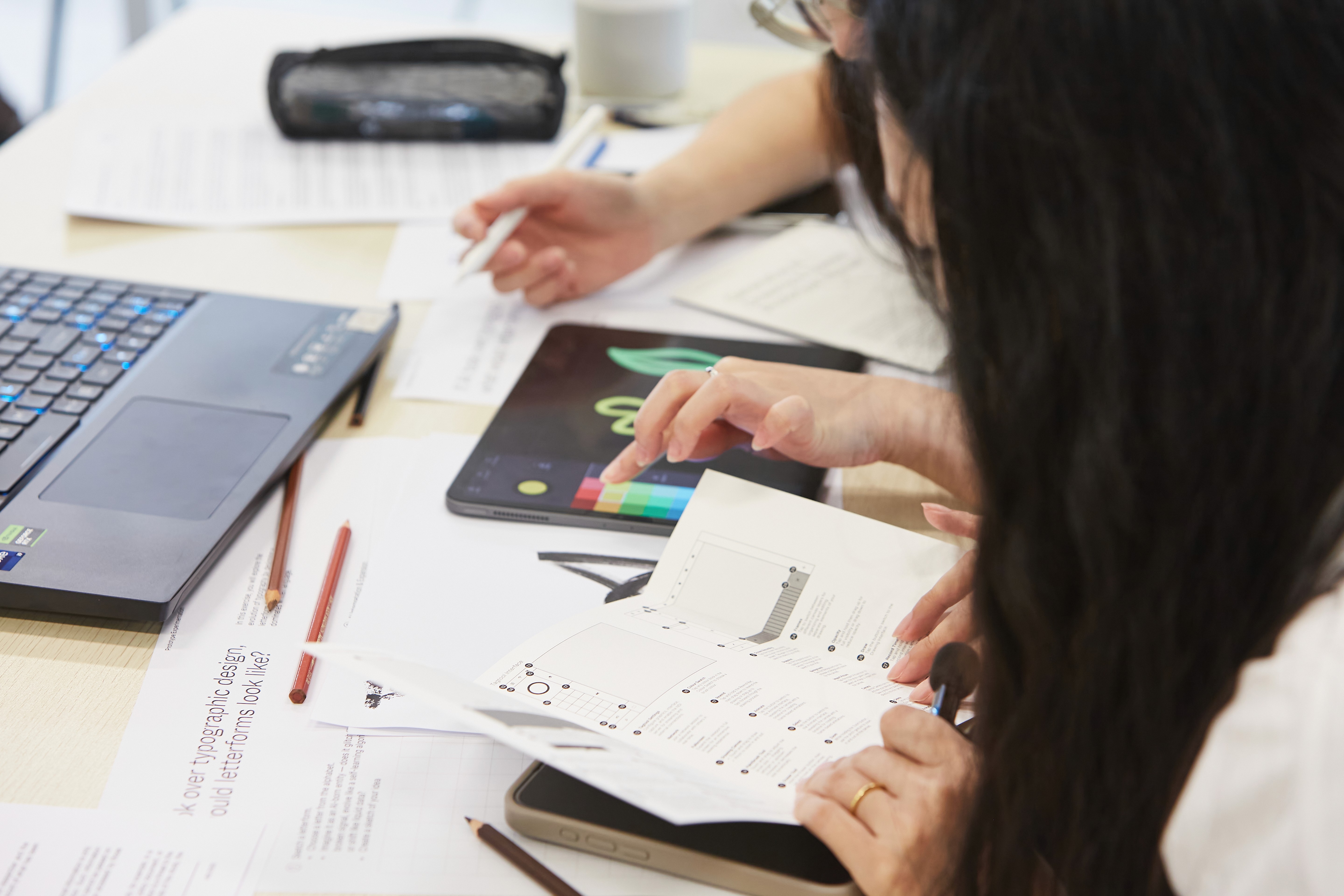
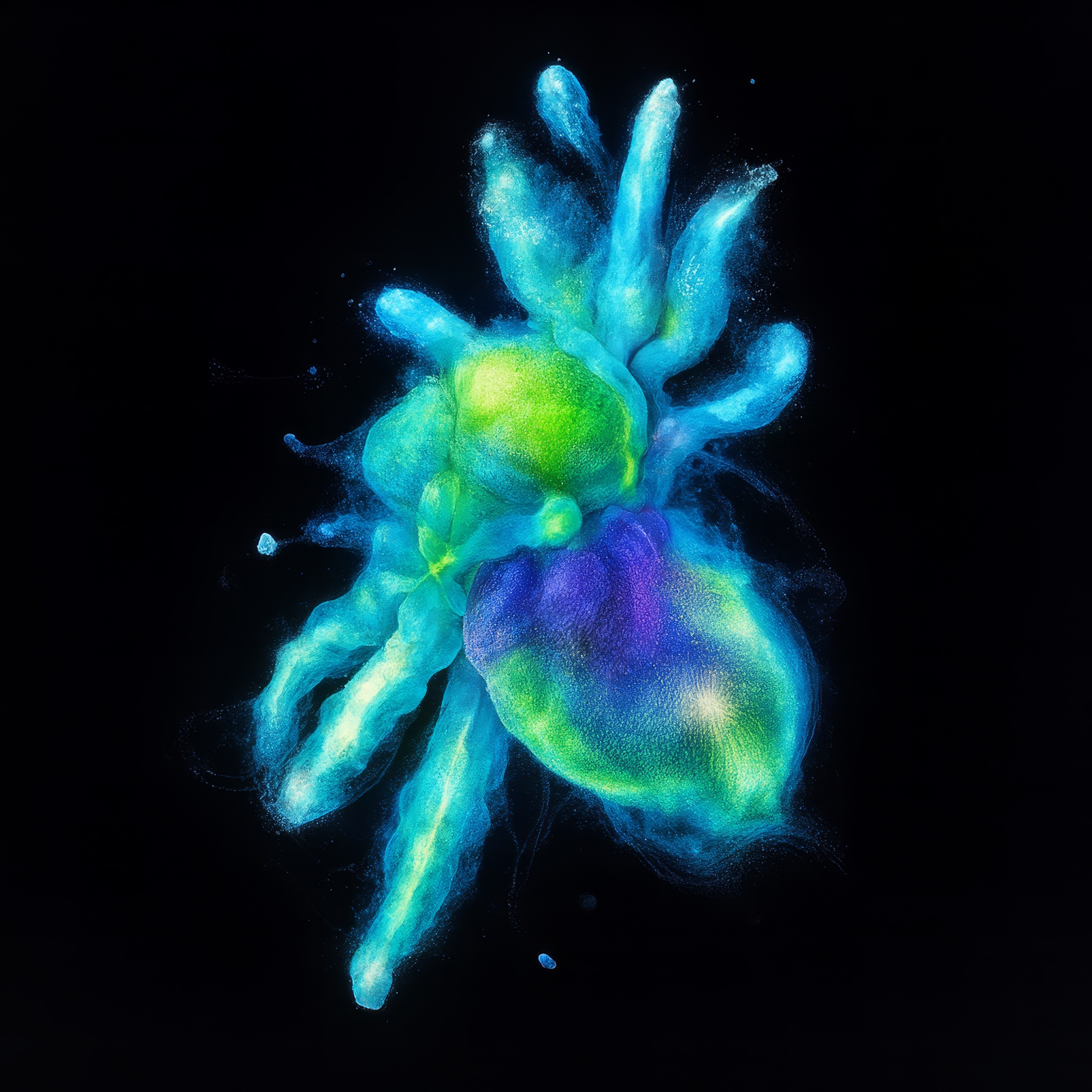
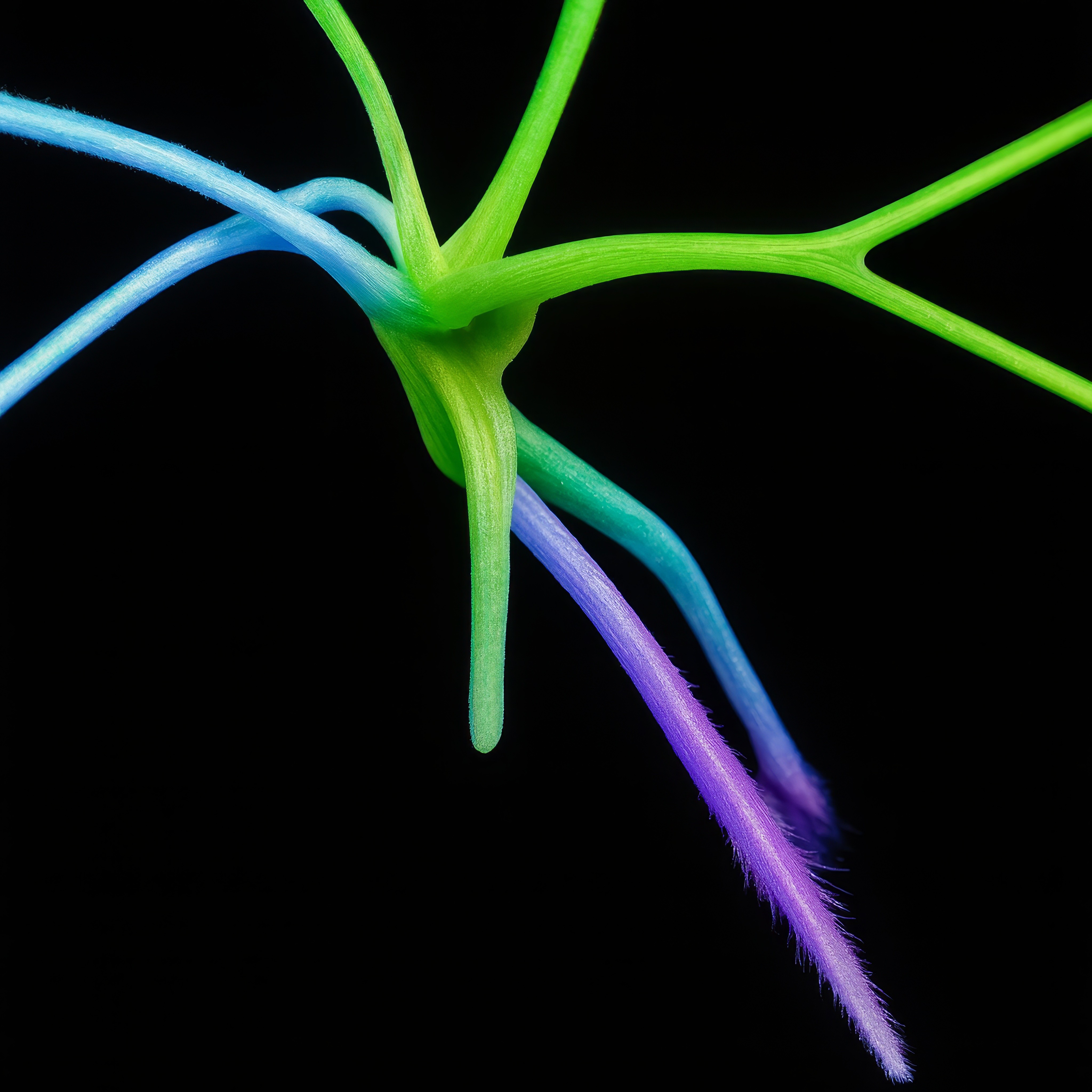
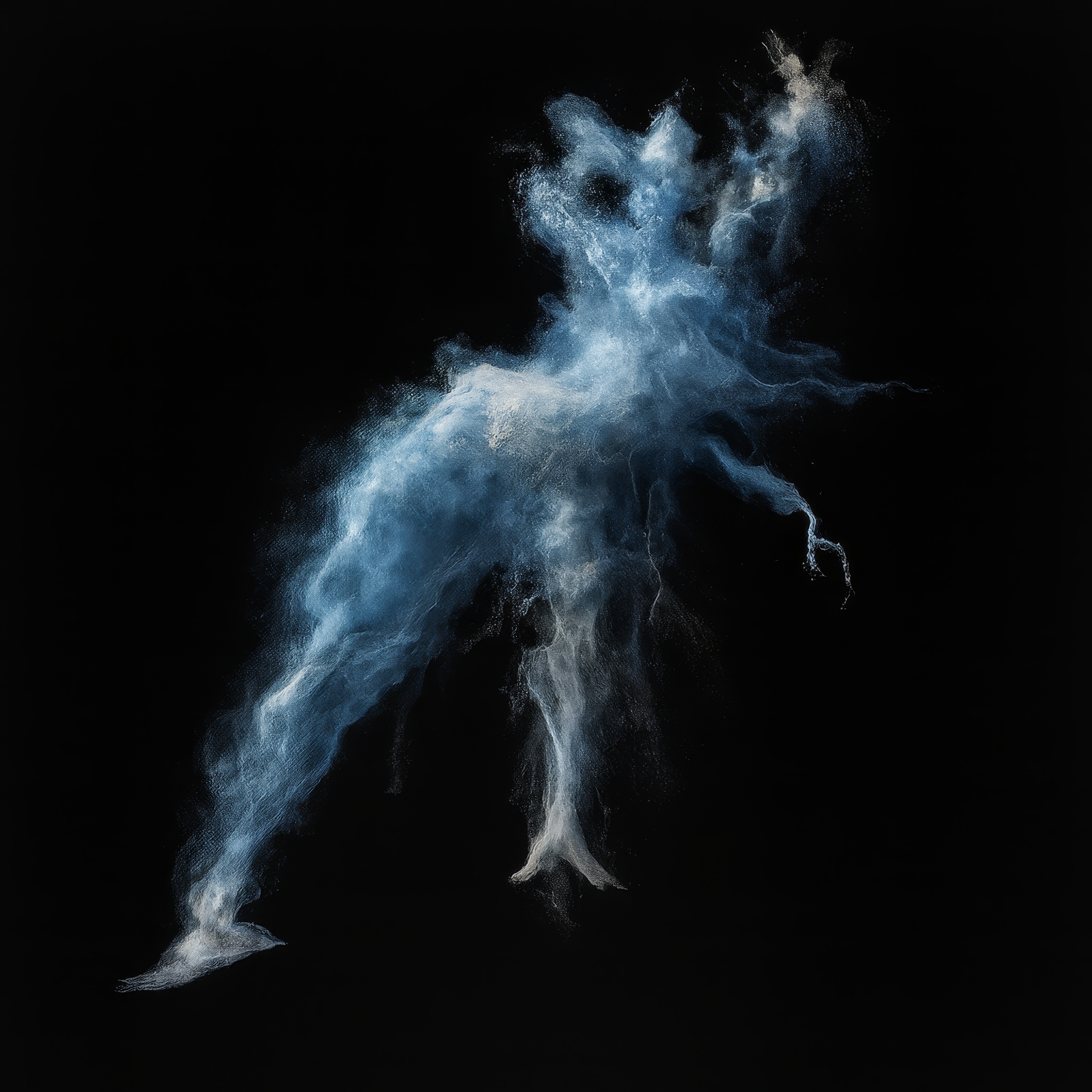
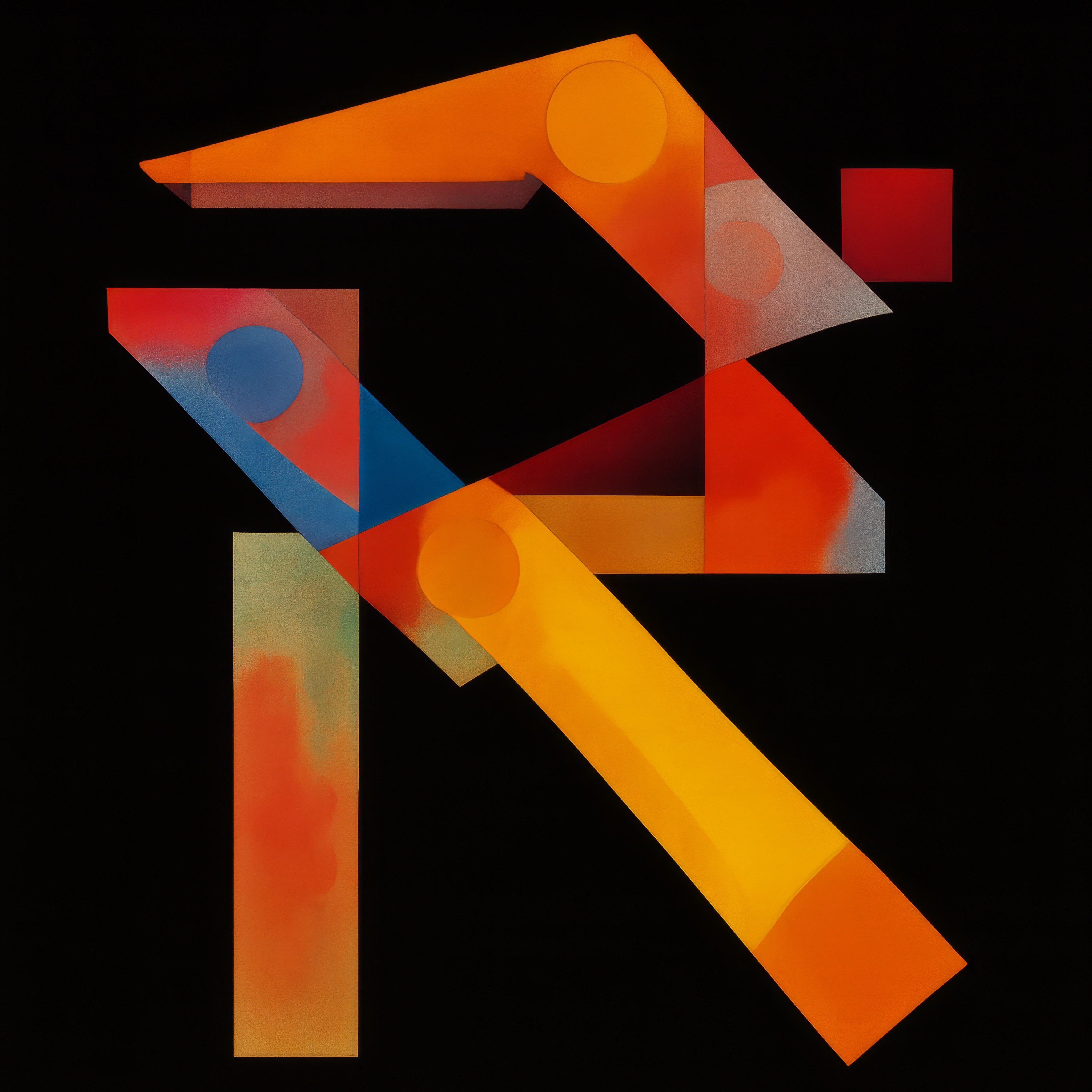
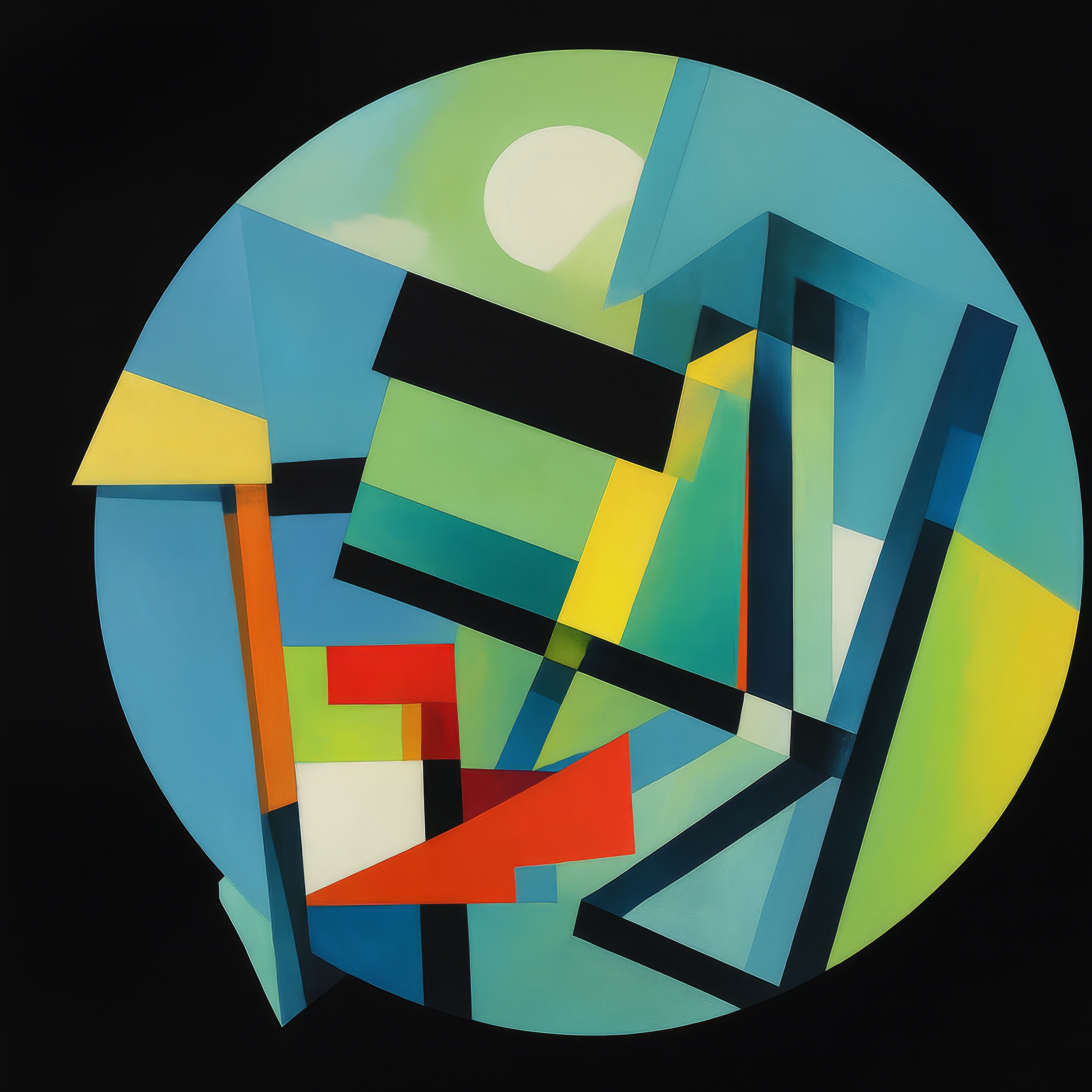
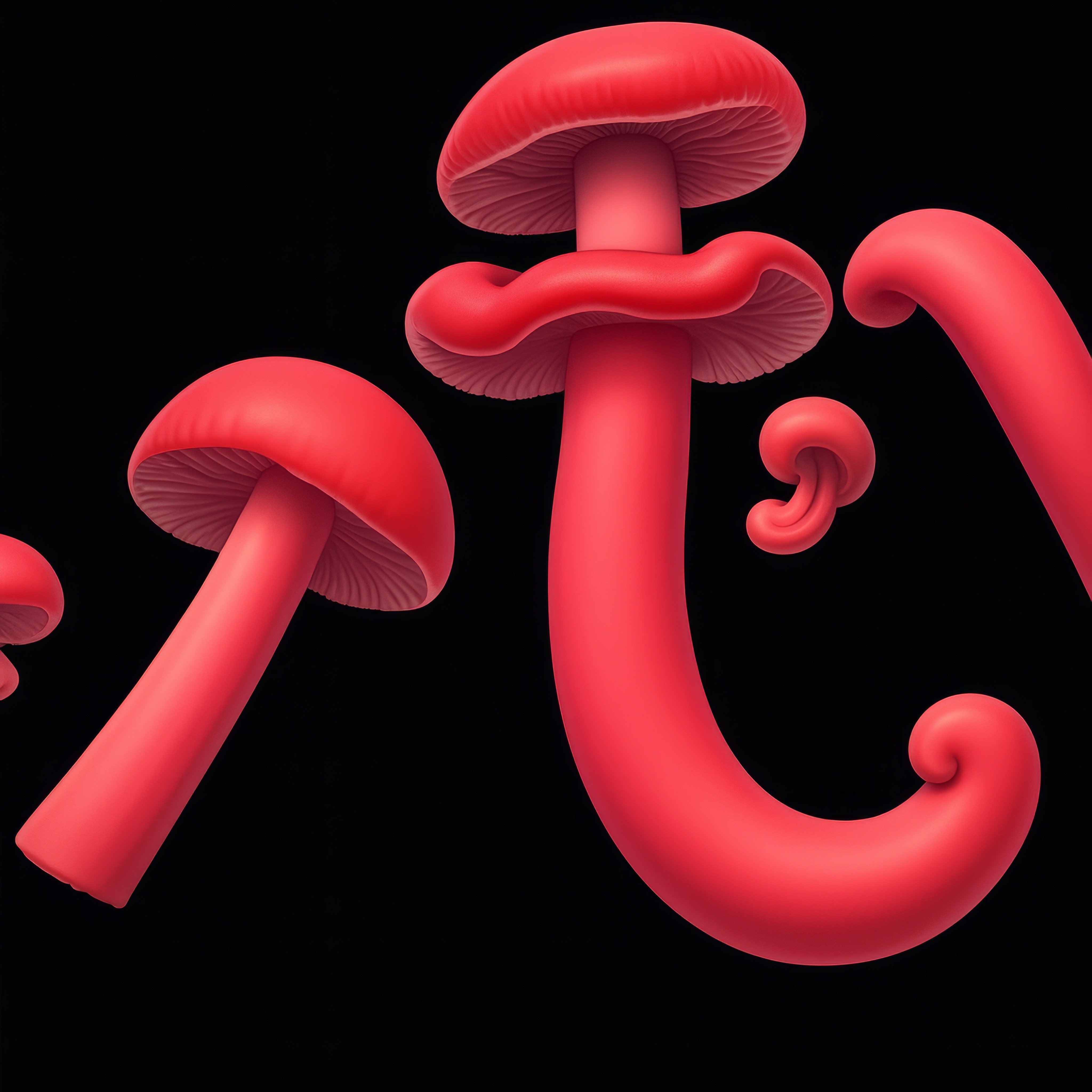
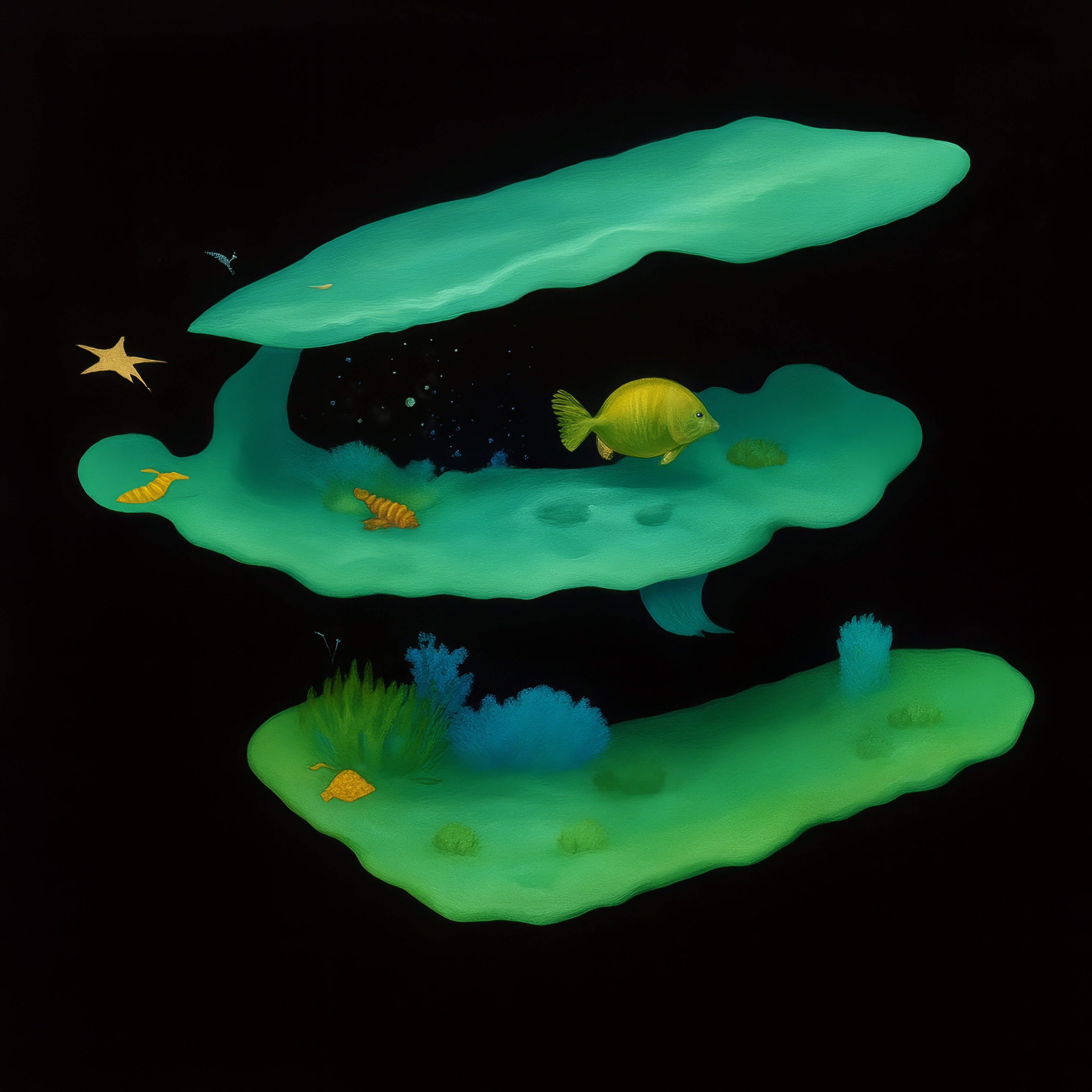
They first engaged with the Drawing and Speech Prototype, experimenting with real-time multimodal interaction—combining drawing and voice—to explore new ways of co-creating with AI. This hands-on activity helped surface practical insights into how professionals navigate emerging tools in their workflows.
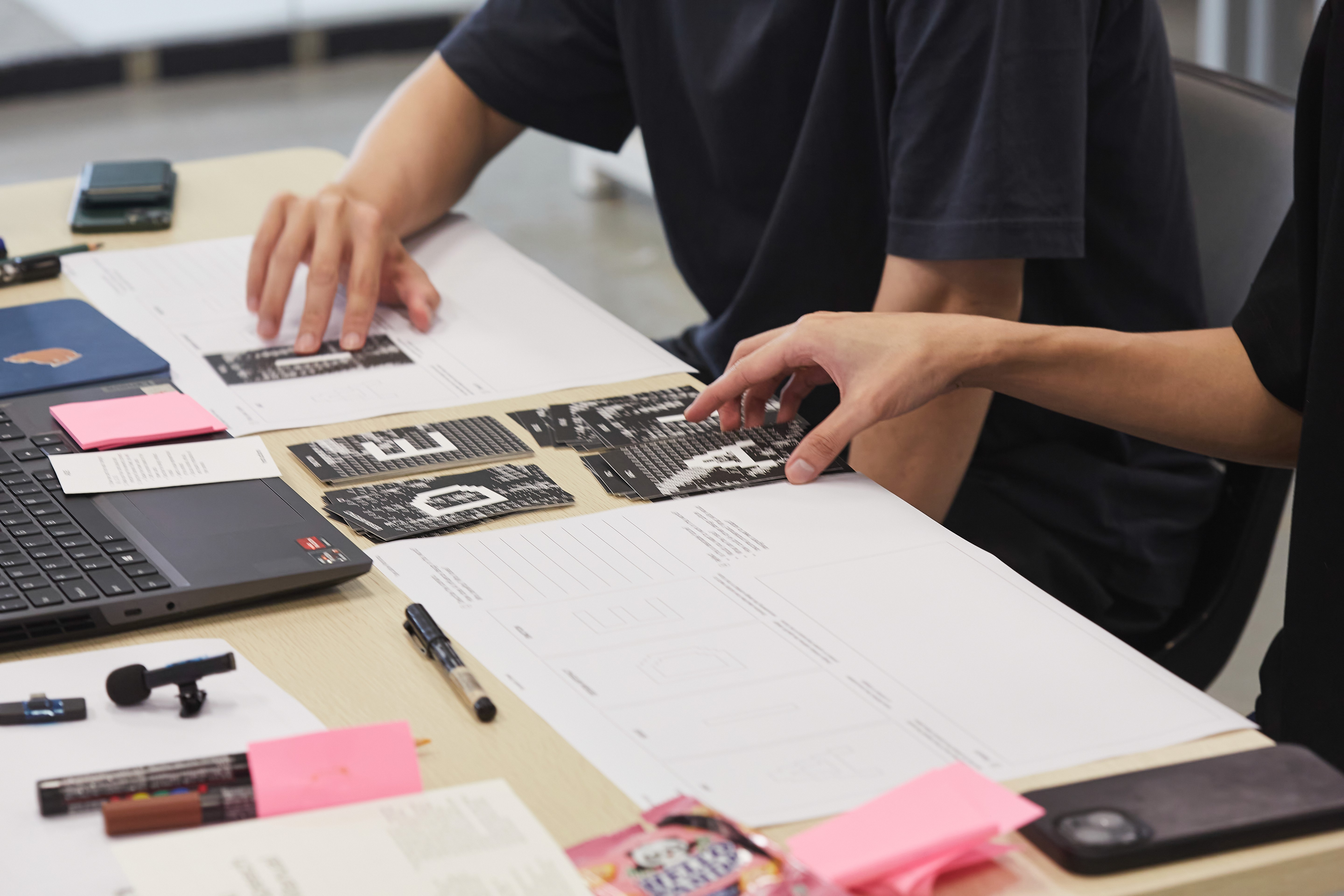
The session concluded with a speculative scenario crafting exercise, where participants reflected on their experience and imagined possible futures for AI-assisted design—considering tools, practices, ethics, and professional roles. Visual outputs from the prototype activity were upscaled using TopazLabs, preserving clarity and detail for documentation and exhibition.
The second session of the speculative workshop was conducted with graphic design professionals and ran for four hours. The session began with a lighthearted icebreaker to introduce participants and create space for open, critical dialogue. Participants worked in pairs throughout, encouraging collaborative thinking and reflective discussion grounded in real-world experience.
They first engaged with the Drawing and Speech Prototype, experimenting with real-time multimodal interaction—combining drawing and voice—to explore new ways of co-creating with AI. This hands-on activity helped surface practical insights into how professionals navigate emerging tools in their workflows.
The session concluded with a speculative scenario crafting exercise, where participants reflected on their experience and imagined possible futures for AI-assisted design—considering tools, practices, ethics, and professional roles. Visual outputs from the prototype activity were upscaled using TopazLabs, preserving clarity and detail for documentation and exhibition.
The first session of the speculative workshop was conducted with graphic design students and ran for four hours. The session began with a lighthearted icebreaker to introduce participants and create space for open exploration. Students worked in pairs throughout the session, encouraging collaborative thinking and shared reflection. They first engaged with the Drawing and Speech Prototype, experimenting with real-time multimodal interaction—combining drawing and voice—to explore new ways of co-creating with AI.
This was followed by a speculative scenario crafting exercise, where pairs reflected on their experience and imagined possible futures for AI-assisted design tools, workflows, and ethics. All visual outputs from the session were refined and upscaled using TopazLabs to preserve detail and clarity for documentation and exhibition.
Machine A
Machine A
2 Participants
2 Participants
35 Curated Outcomes
35 Curated Outcomes
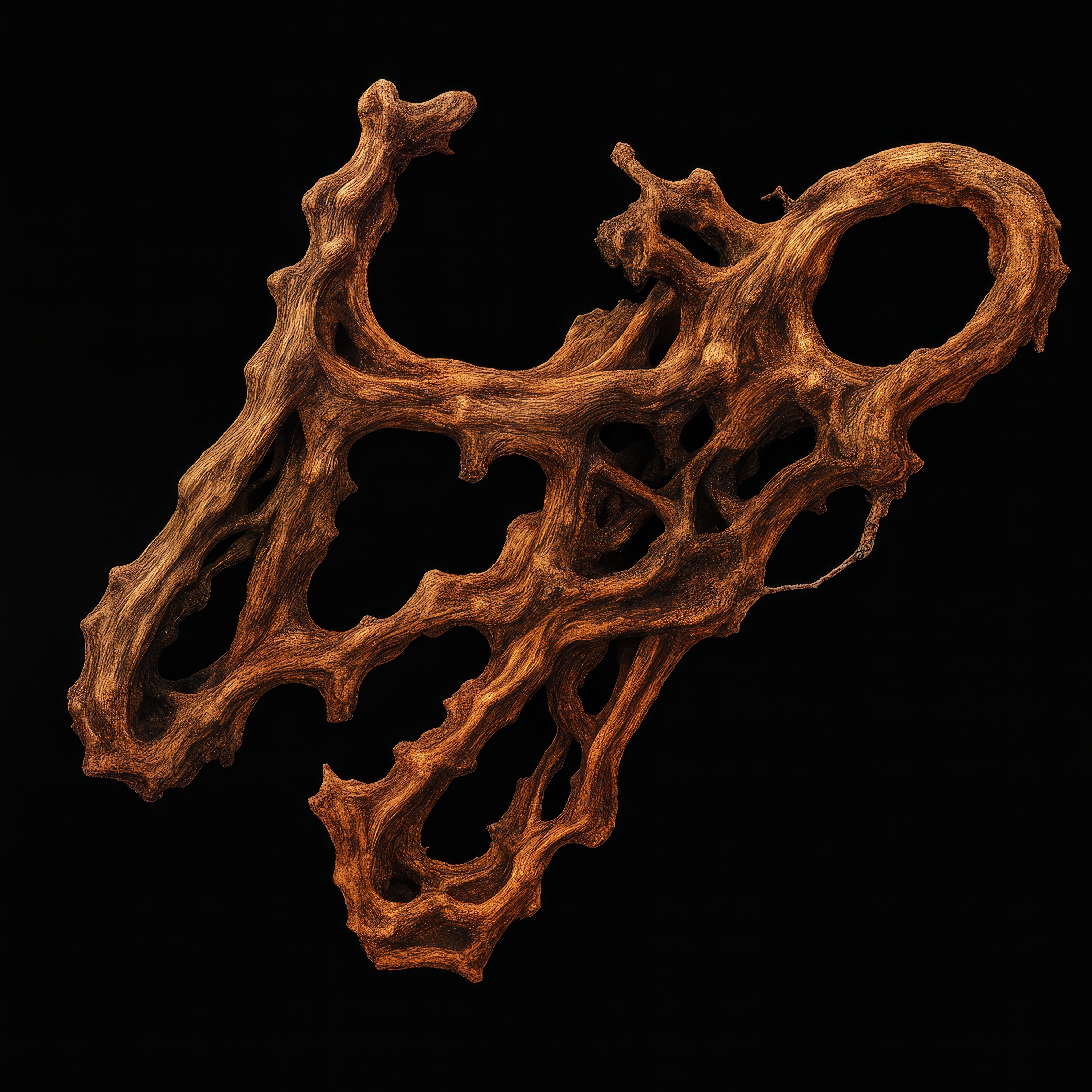




























Speculative Scernario
Speculative Scernario
Image Generated in GPT-4o
Image Generated in GPT-4o
Narrative Crafted by Humans
Narrative Crafted by Humans
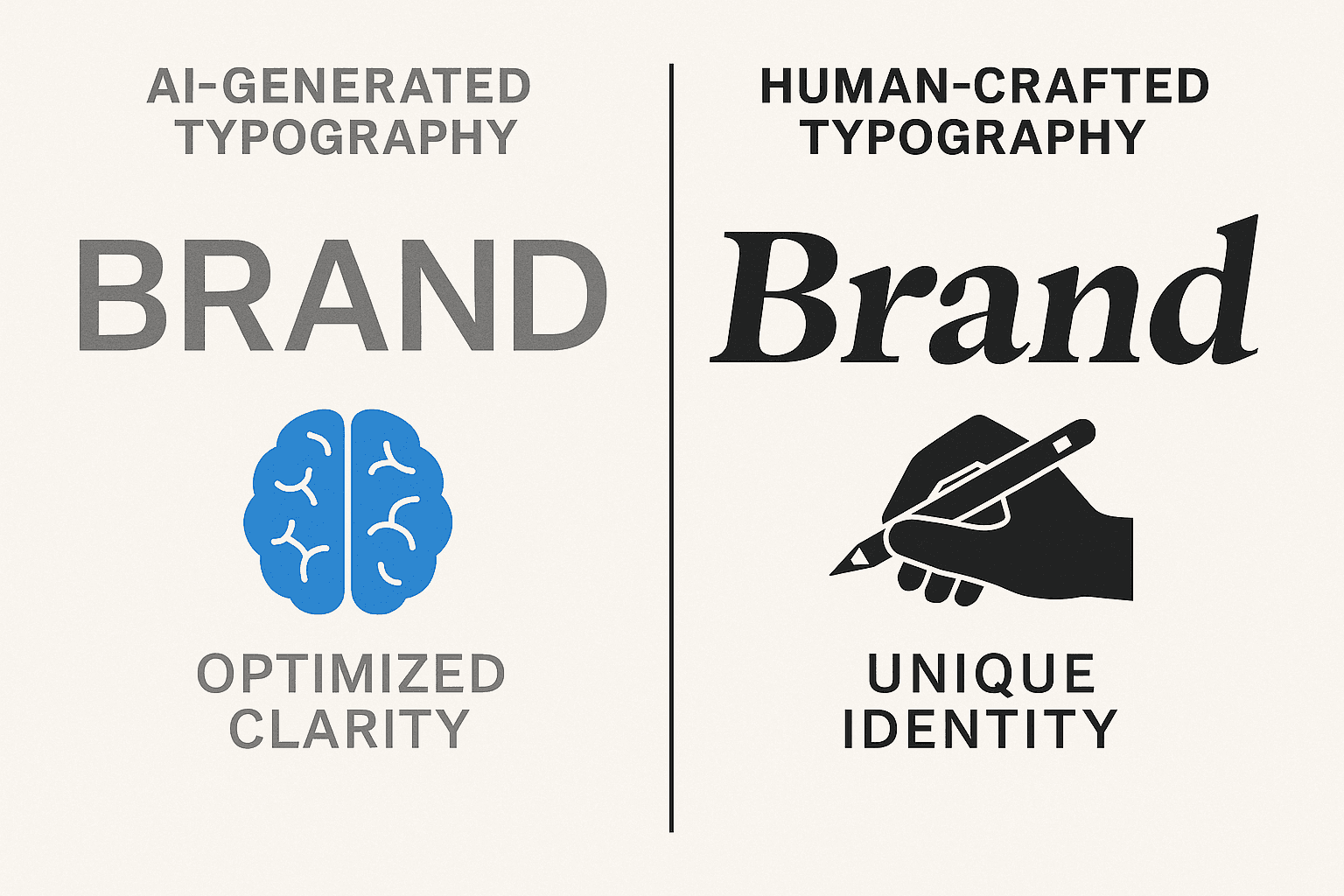
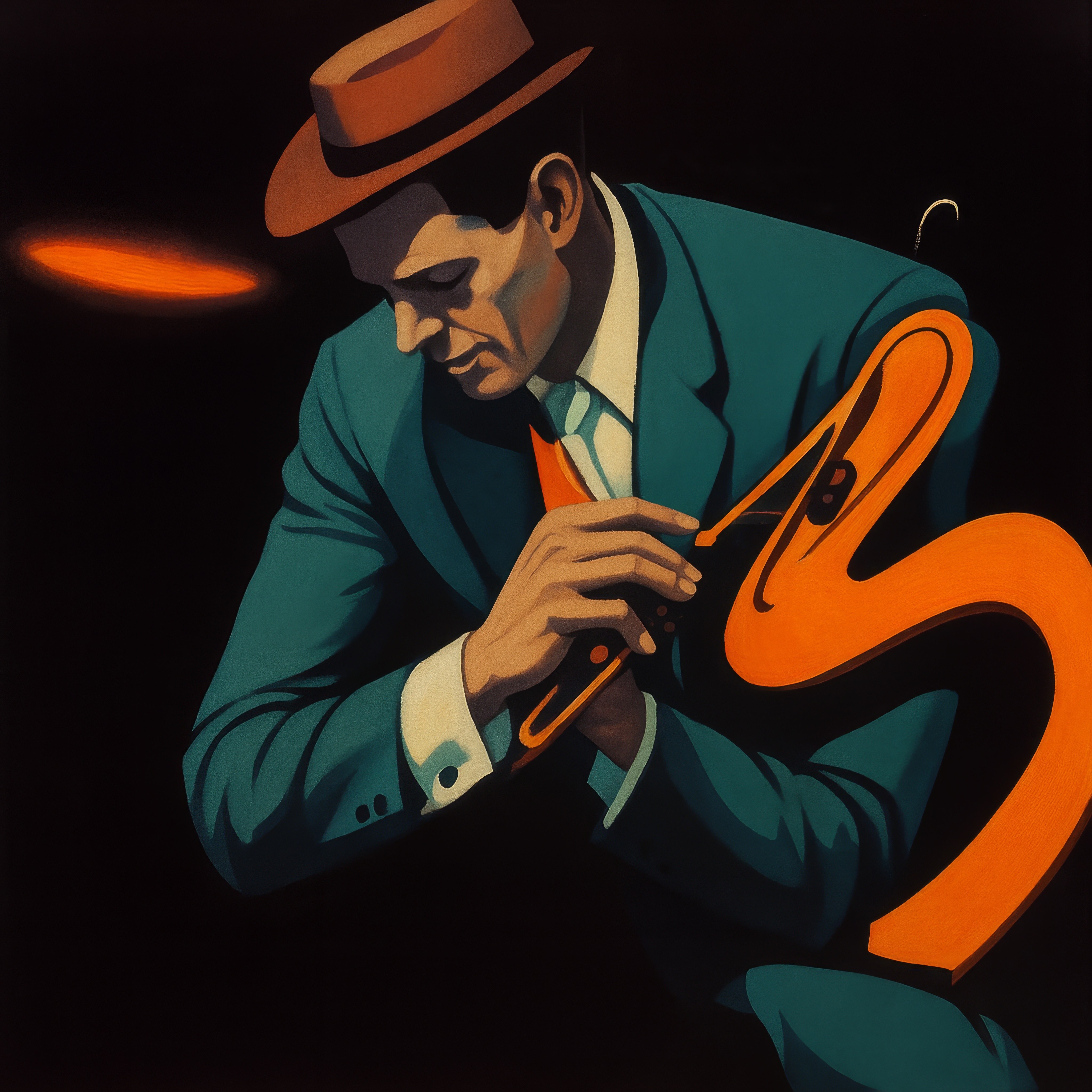
In 2035, a brand asks us to design a typeface that reflects their unique identity. AI can produce fonts that are clear and optimized, but in doing so, it removes the personality and emotion once found in human-crafted typography. What used to be an expressive form of design has become purely functional. While AI gains knowledge from data, humans still take part in the crafting process—but often without clear intention.
Though AI helps speed up the design process and generate content, it shifts the industry from being process-driven to being results-driven. Designers no longer focus on the craft itself, but on how well they can prompt the AI. The skill becomes about refining taste and input rather than making by hand. While AI offers insights through data, those insights often lack human context and meaning.
In 2035, a brand asks us to design a typeface that reflects their unique identity. AI can produce fonts that are clear and optimized, but in doing so, it removes the personality and emotion once found in human-crafted typography. What used to be an expressive form of design has become purely functional. While AI gains knowledge from data, humans still take part in the crafting process—but often without clear intention.
Though AI helps speed up the design process and generate content, it shifts the industry from being process-driven to being results-driven. Designers no longer focus on the craft itself, but on how well they can prompt the AI. The skill becomes about refining taste and input rather than making by hand. While AI offers insights through data, those insights often lack human context and meaning.
Machine B
Machine B
2 Participants
2 Participants
35 Curated Outcomes
35 Curated Outcomes




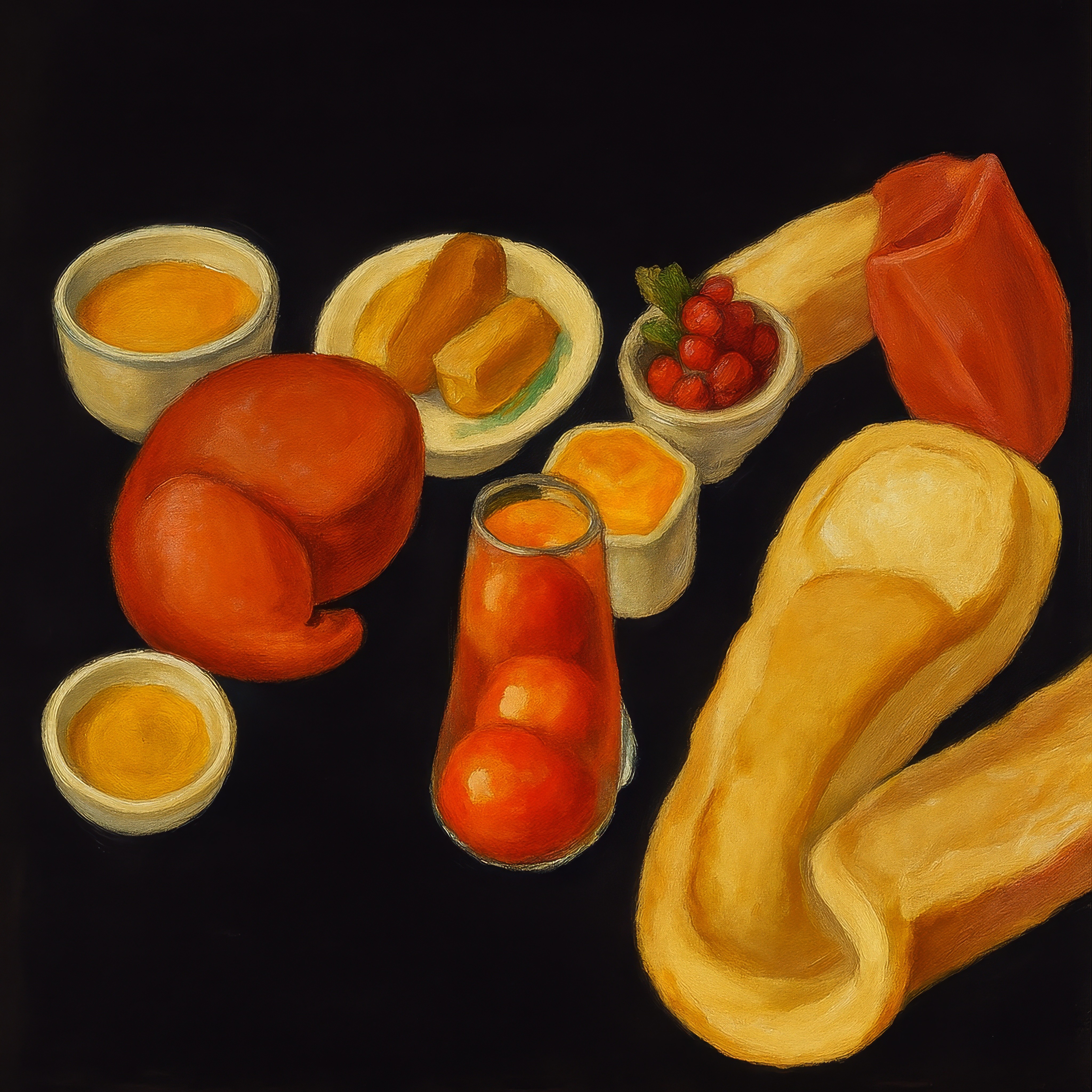
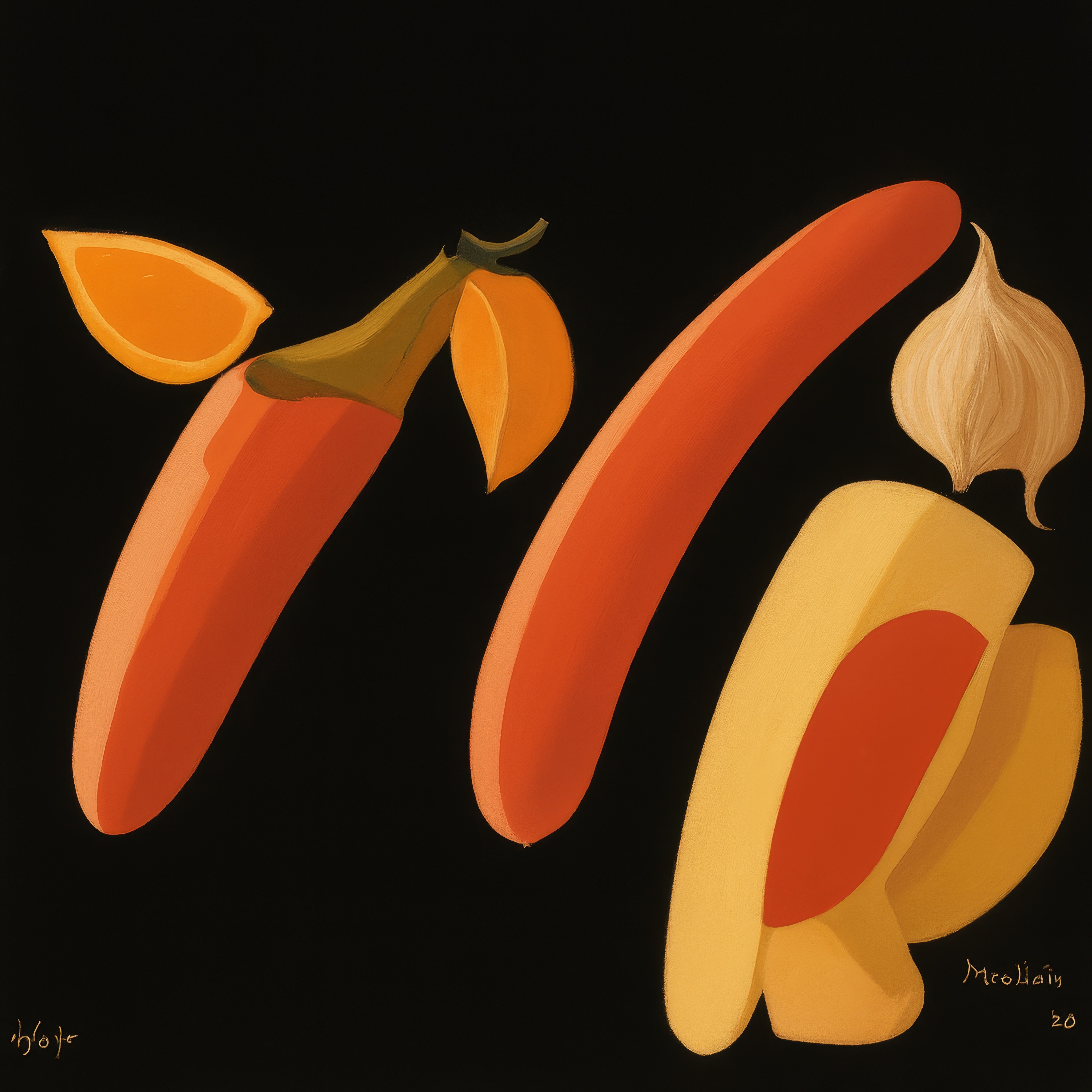
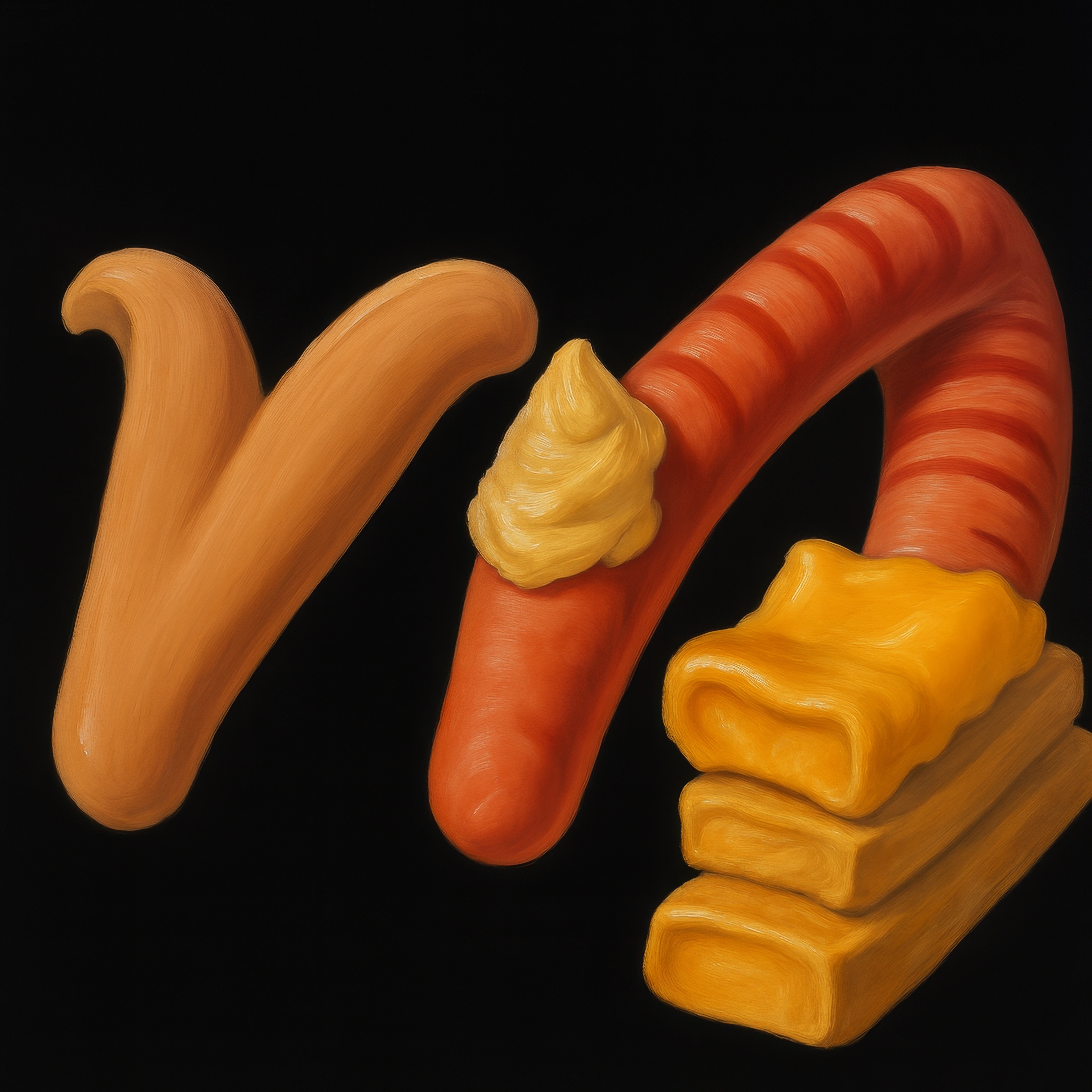

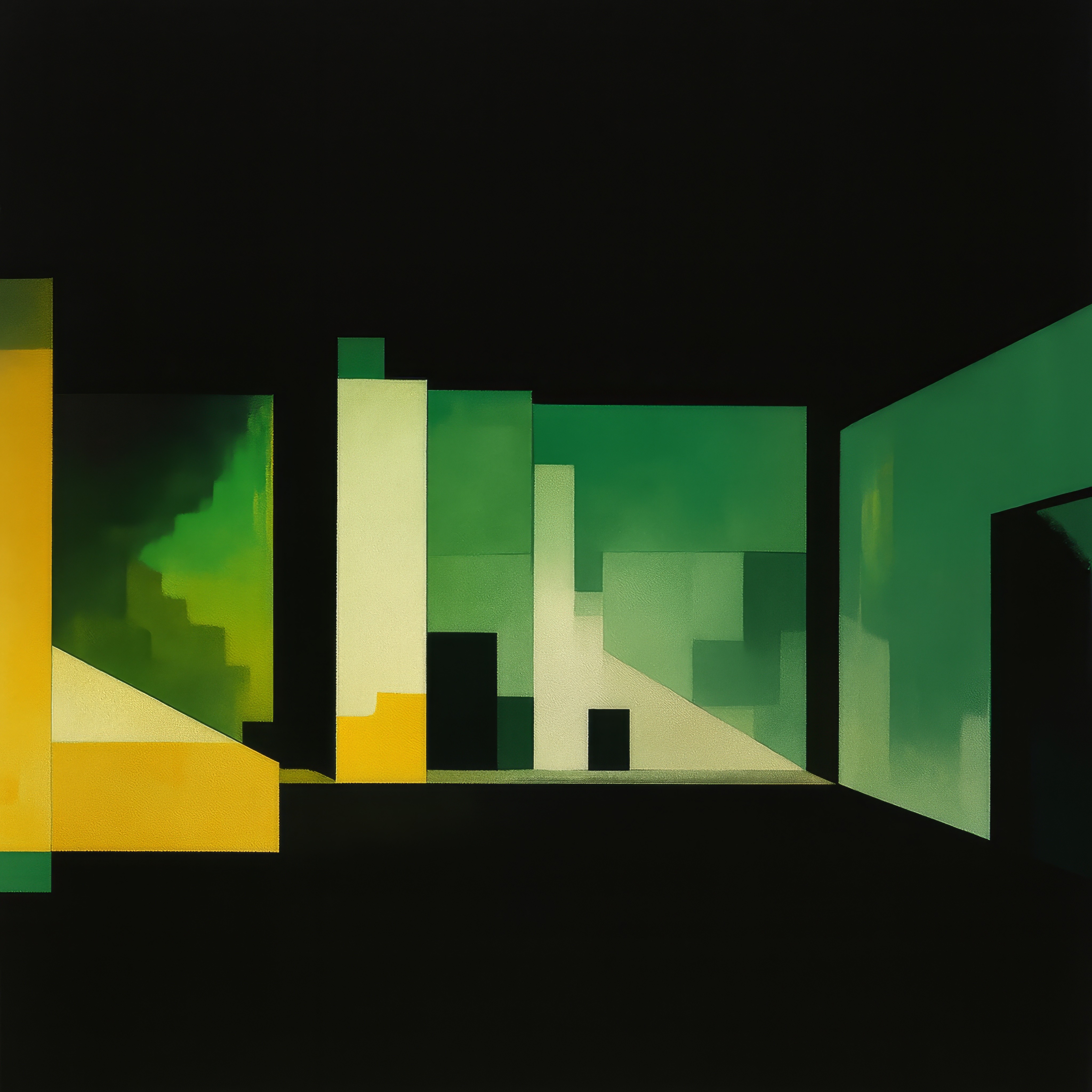

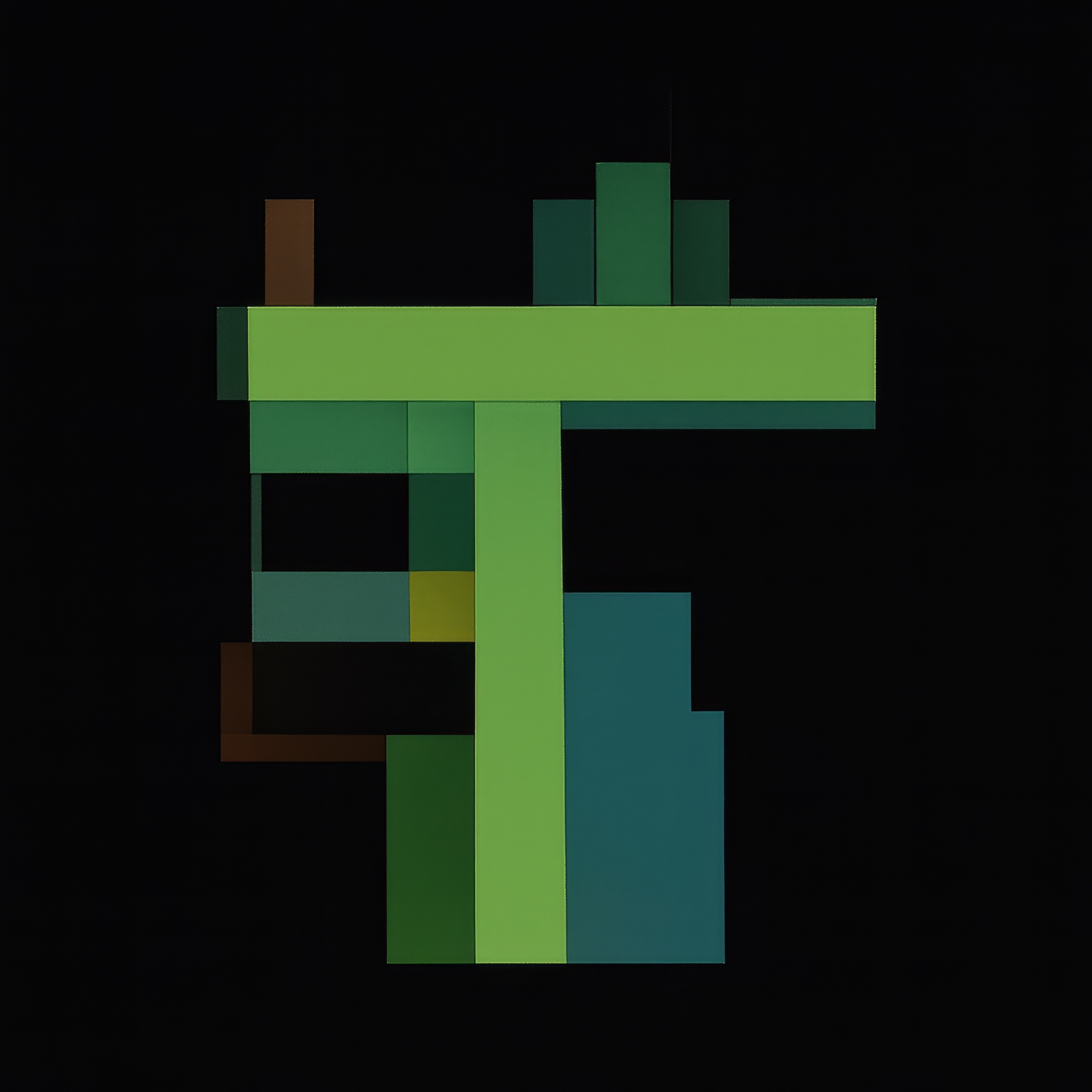
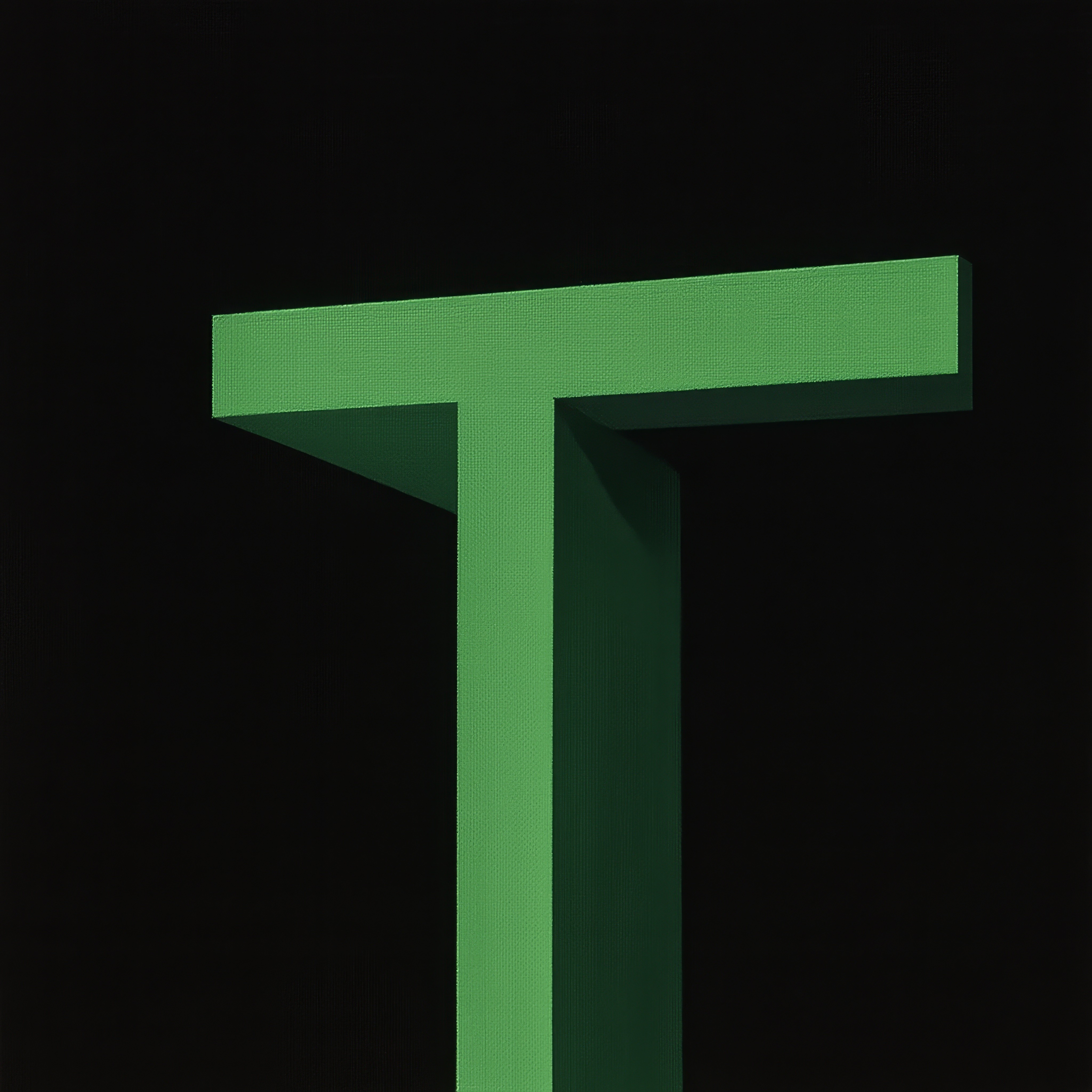
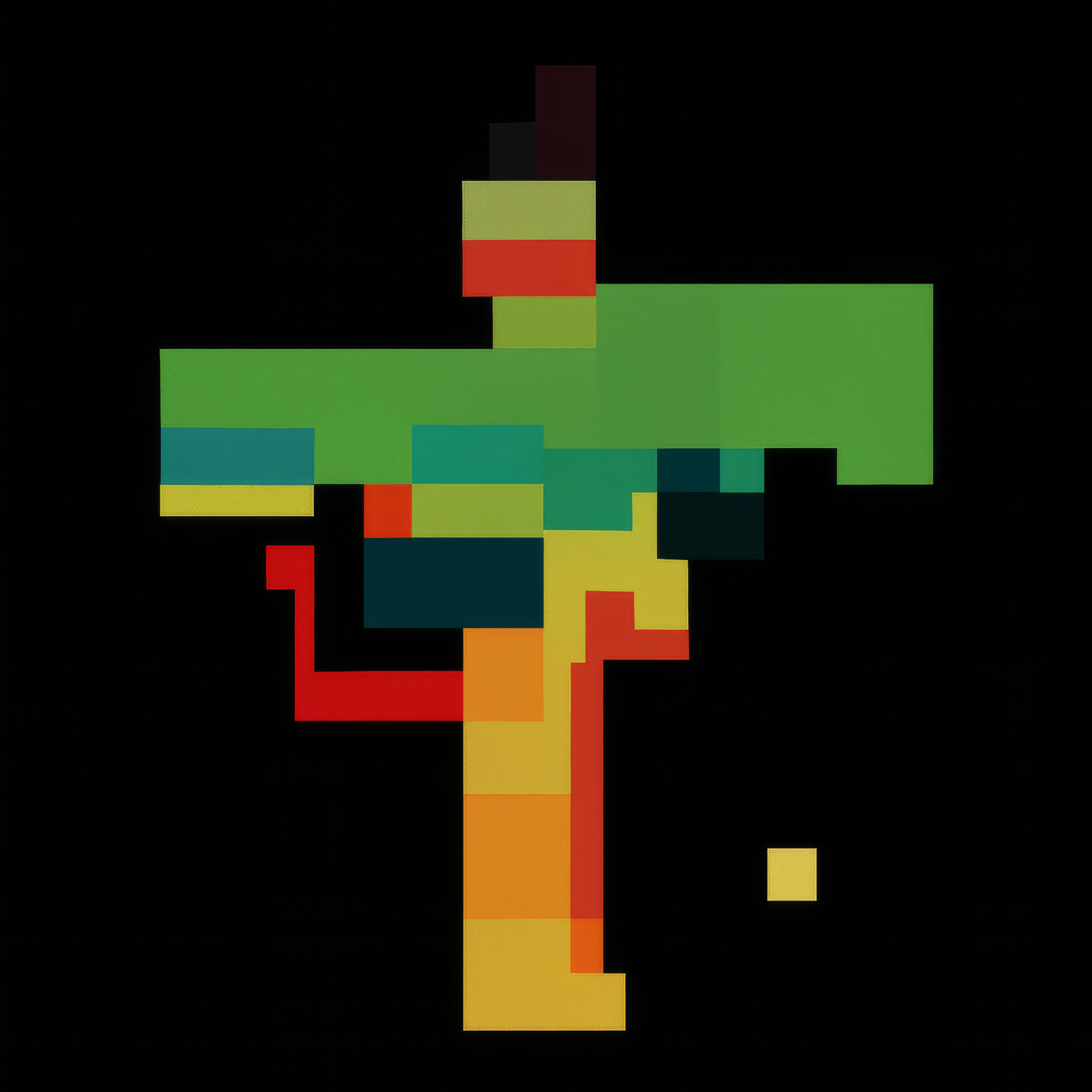
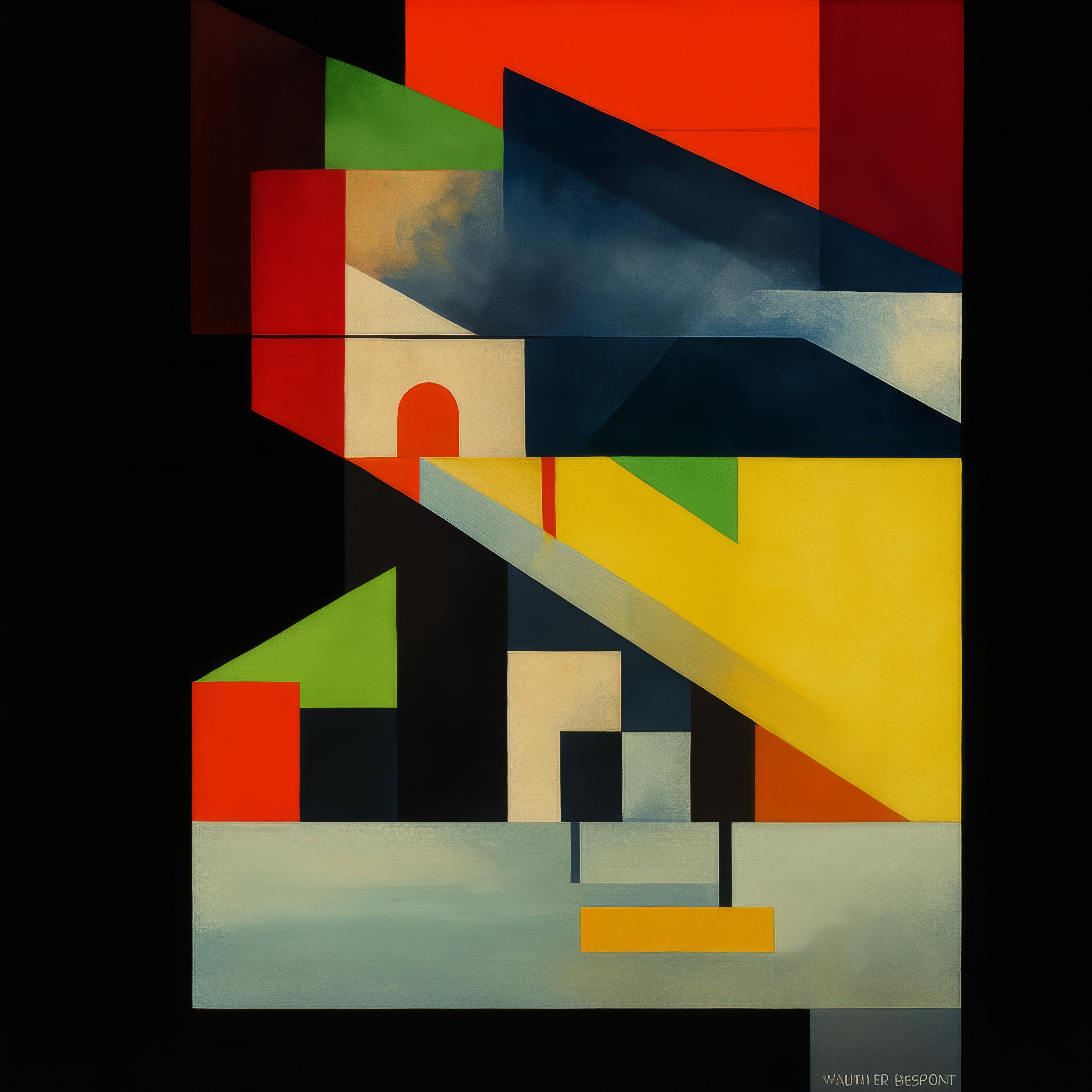



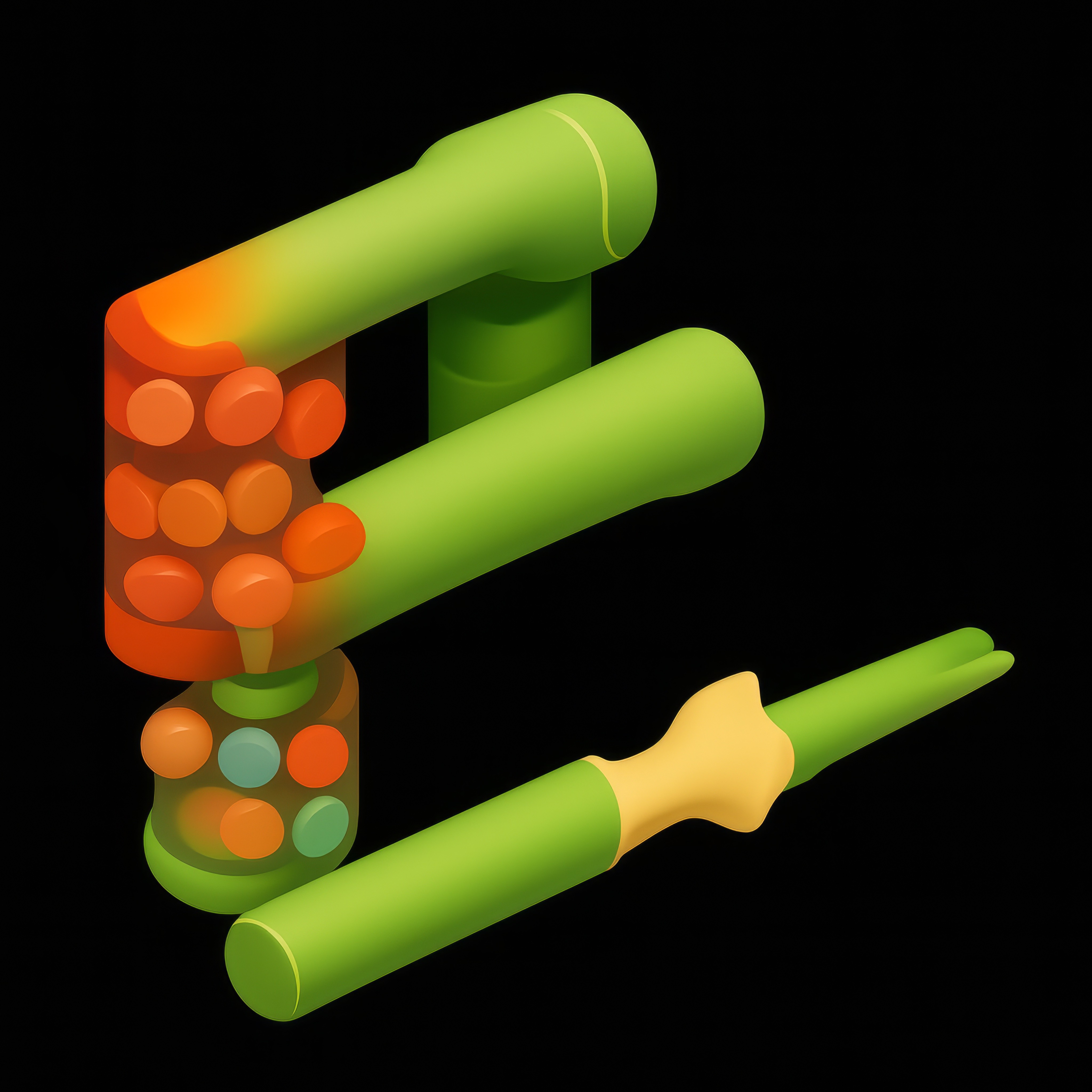
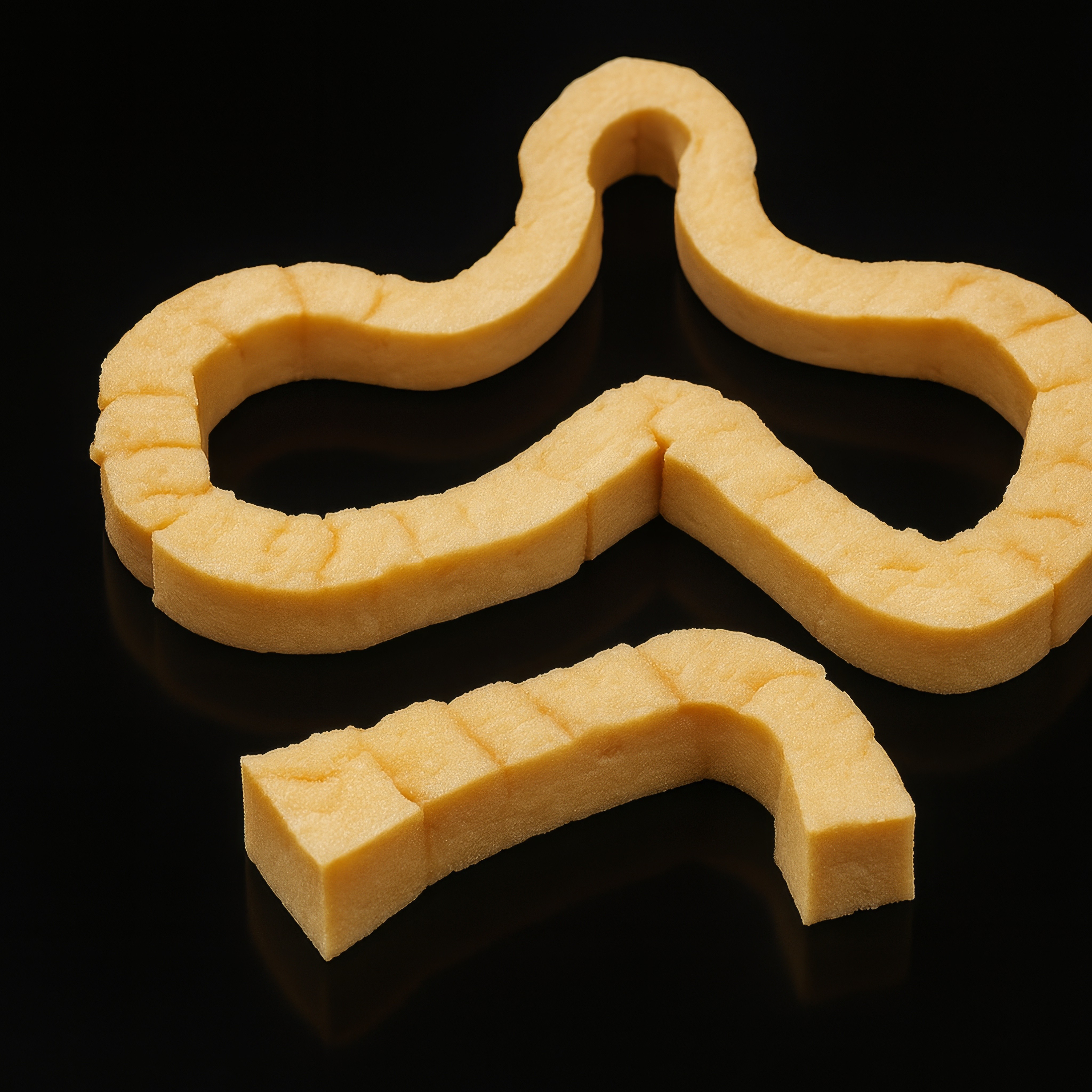



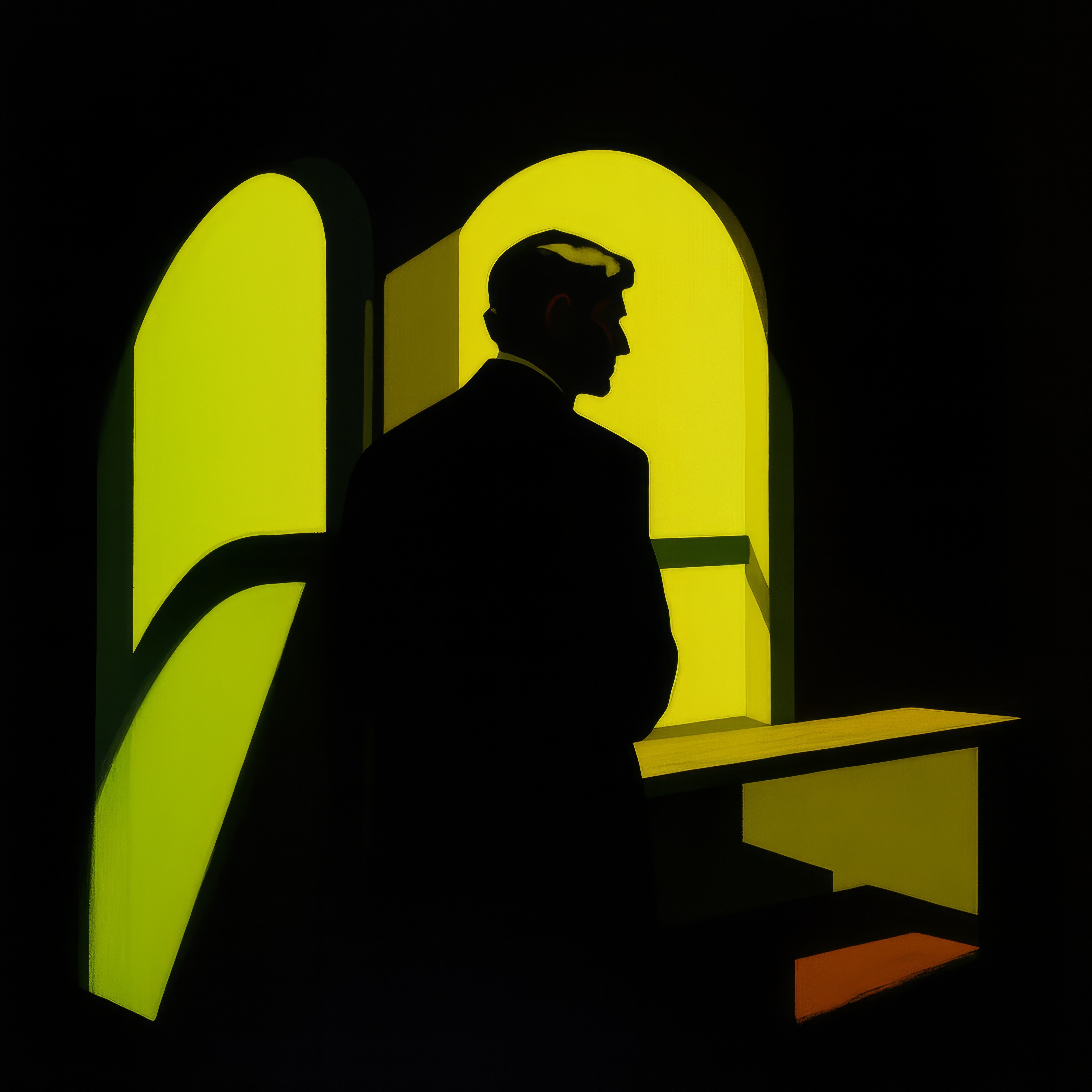

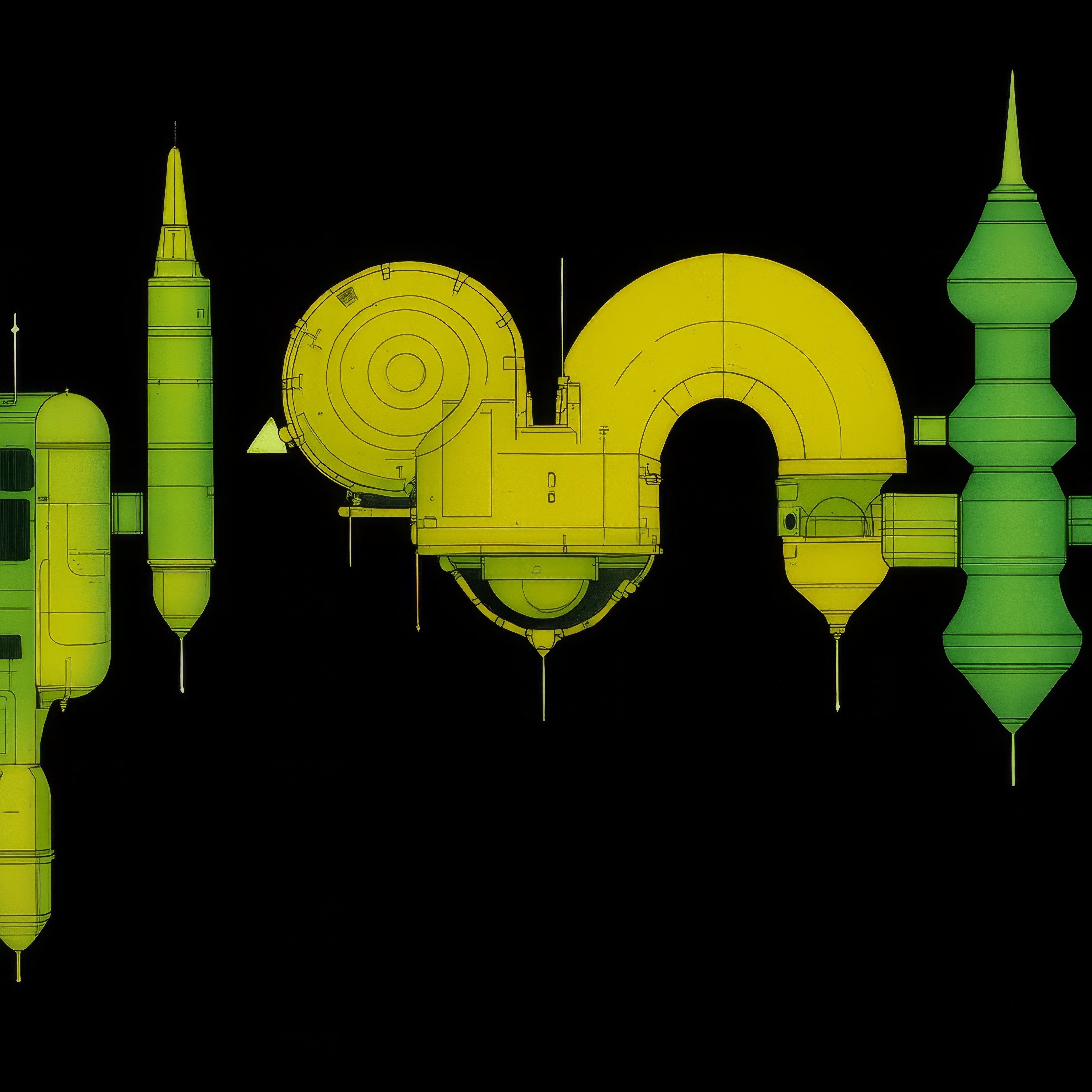





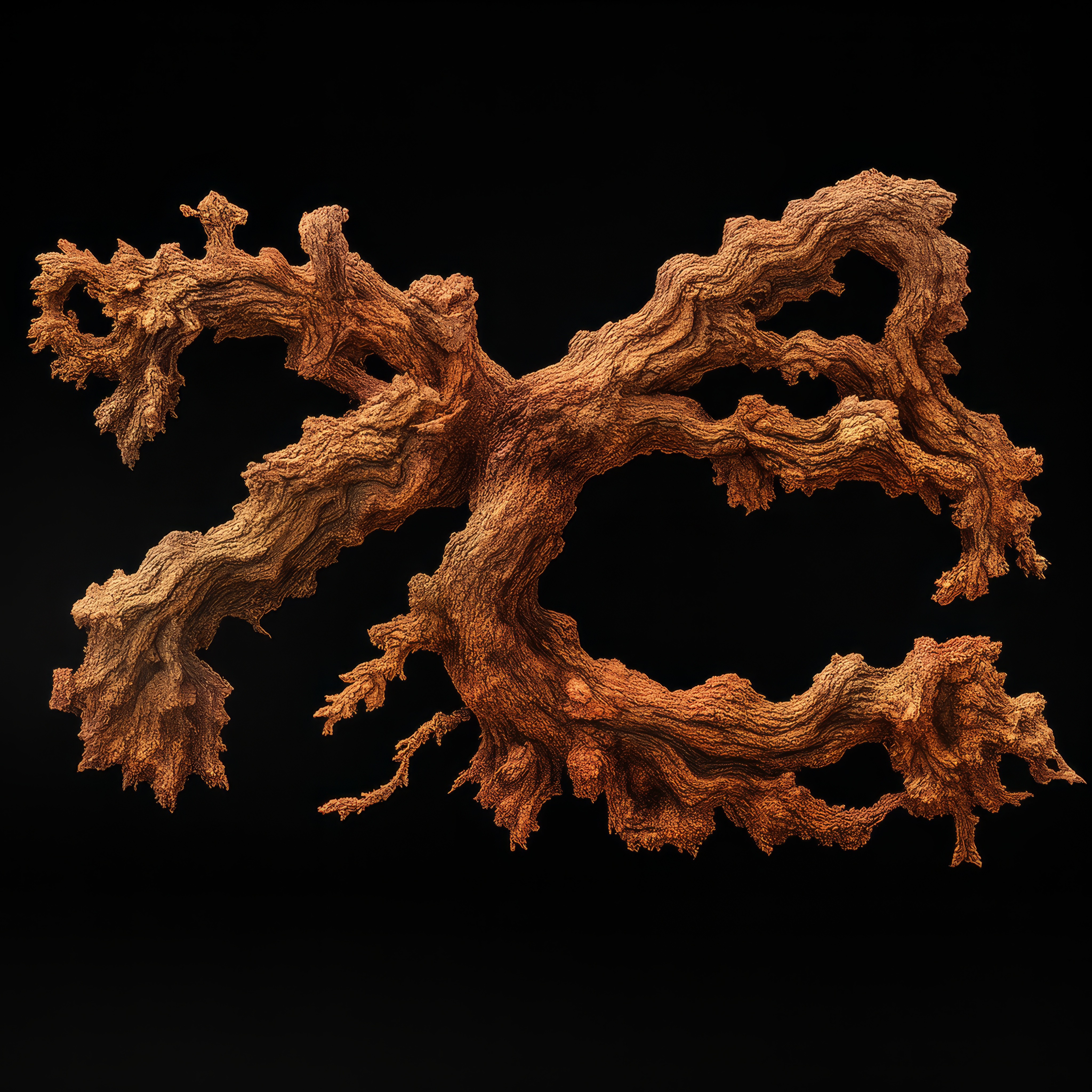
Speculative Scernario
Speculative Scernario
Image Generated in GPT-4o
Image Generated in GPT-4o
Narrative Crafted by Humans
Narrative Crafted by Humans
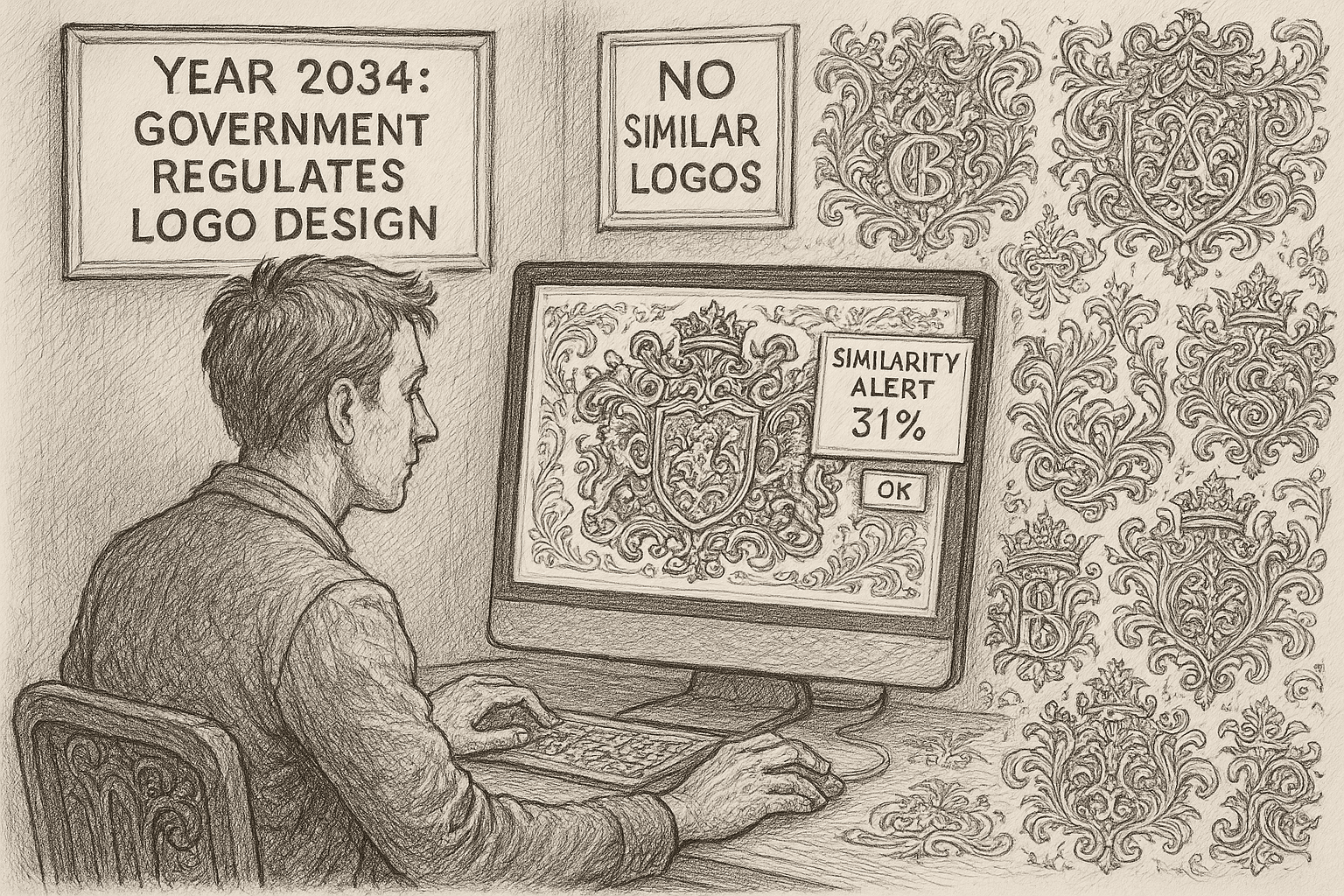
The year is 2034. Governments and institutions have stepped in to regulate the logo design process, enforcing strict rules to ensure that no two logos look alike. Design tools now come with built-in similarity detection systems that alert users if their logo is more than 30% similar to an existing one.
As a result, designers begin to overcompensate—logos become highly decorative and complex, echoing styles from the Renaissance era. This shift moves away from today’s minimalist trends. While these detailed designs aim to stand out, they create visual clutter and make it harder for viewers to connect with or remember the brand.
The year is 2034. Governments and institutions have stepped in to regulate the logo design process, enforcing strict rules to ensure that no two logos look alike. Design tools now come with built-in similarity detection systems that alert users if their logo is more than 30% similar to an existing one.
As a result, designers begin to overcompensate—logos become highly decorative and complex, echoing styles from the Renaissance era. This shift moves away from today’s minimalist trends. While these detailed designs aim to stand out, they create visual clutter and make it harder for viewers to connect with or remember the brand.
Machine C
Machine C
2 Participants
2 Participants
35 Curated Outcomes
35 Curated Outcomes



























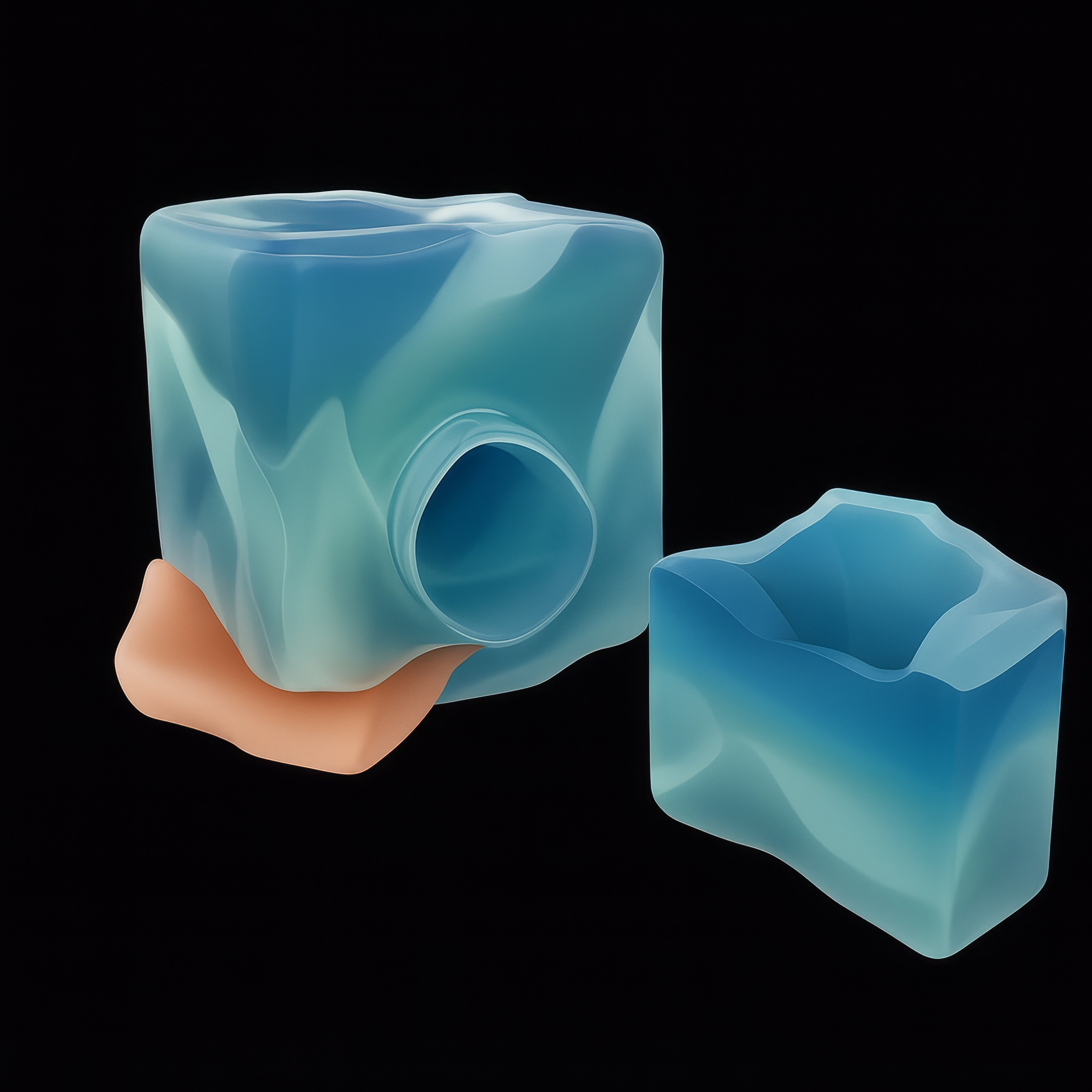





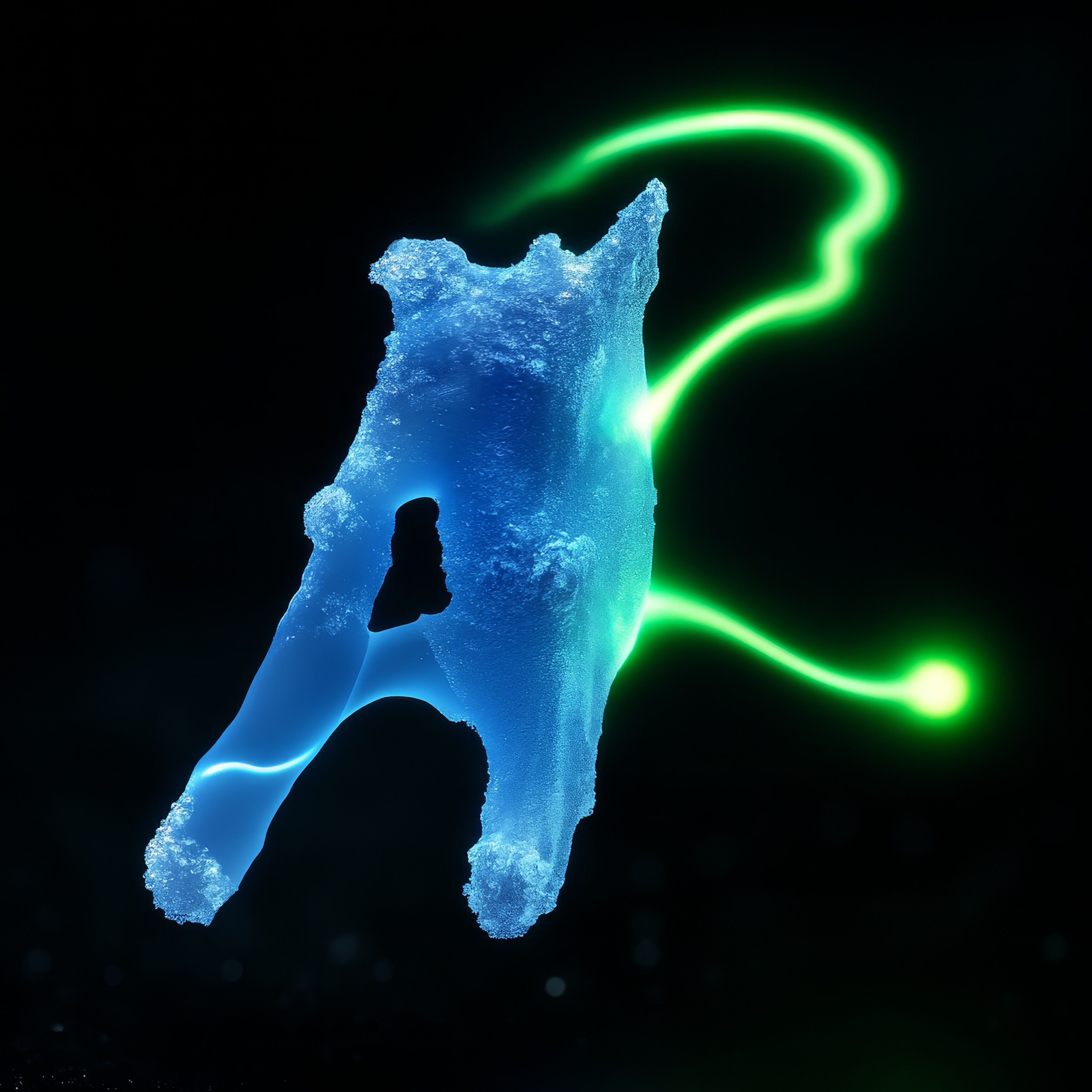
Speculative Scernario
Speculative Scernario
Image Generated in GPT-4o
Image Generated in GPT-4o
Narrative Crafted by Humans
Narrative Crafted by Humans
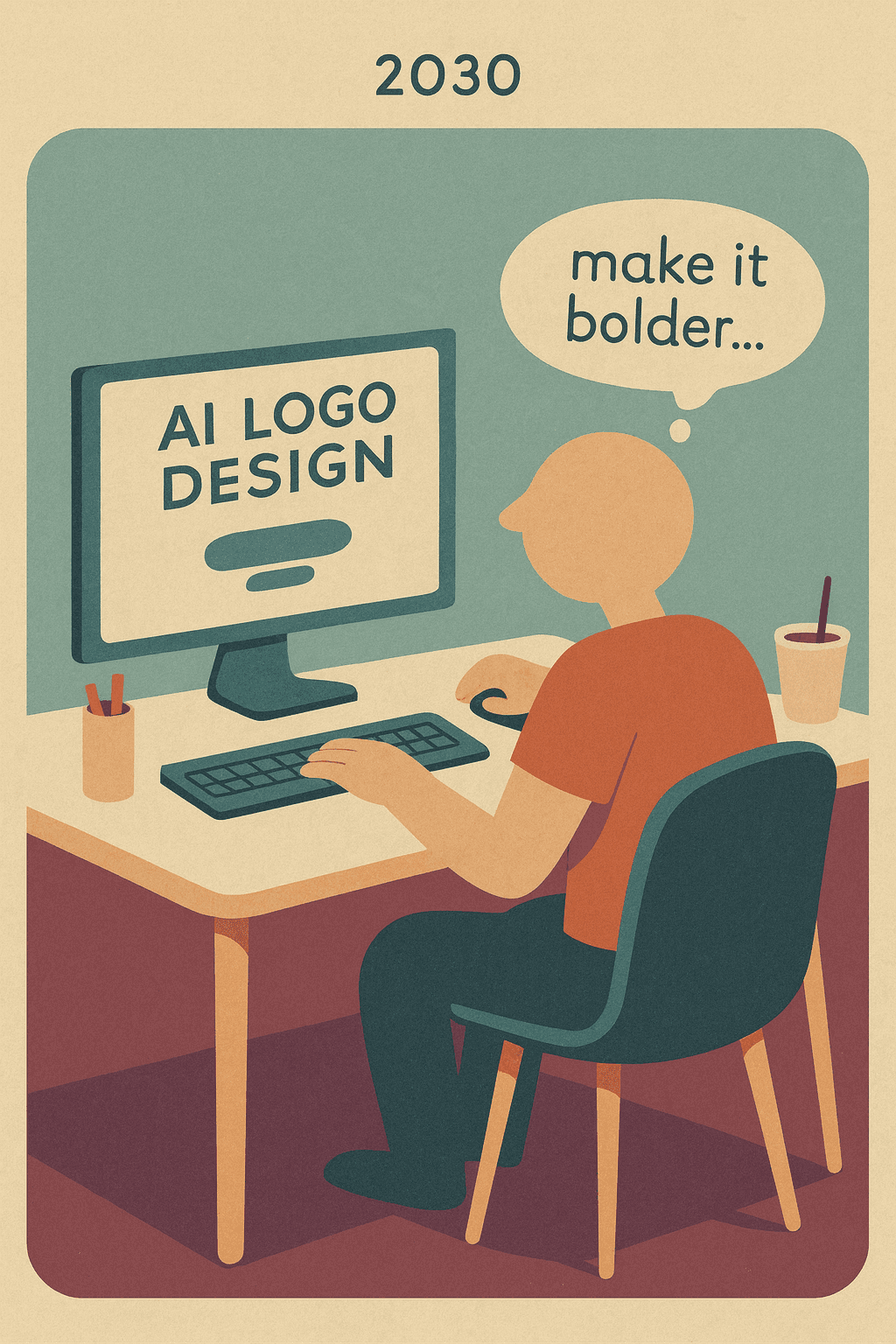
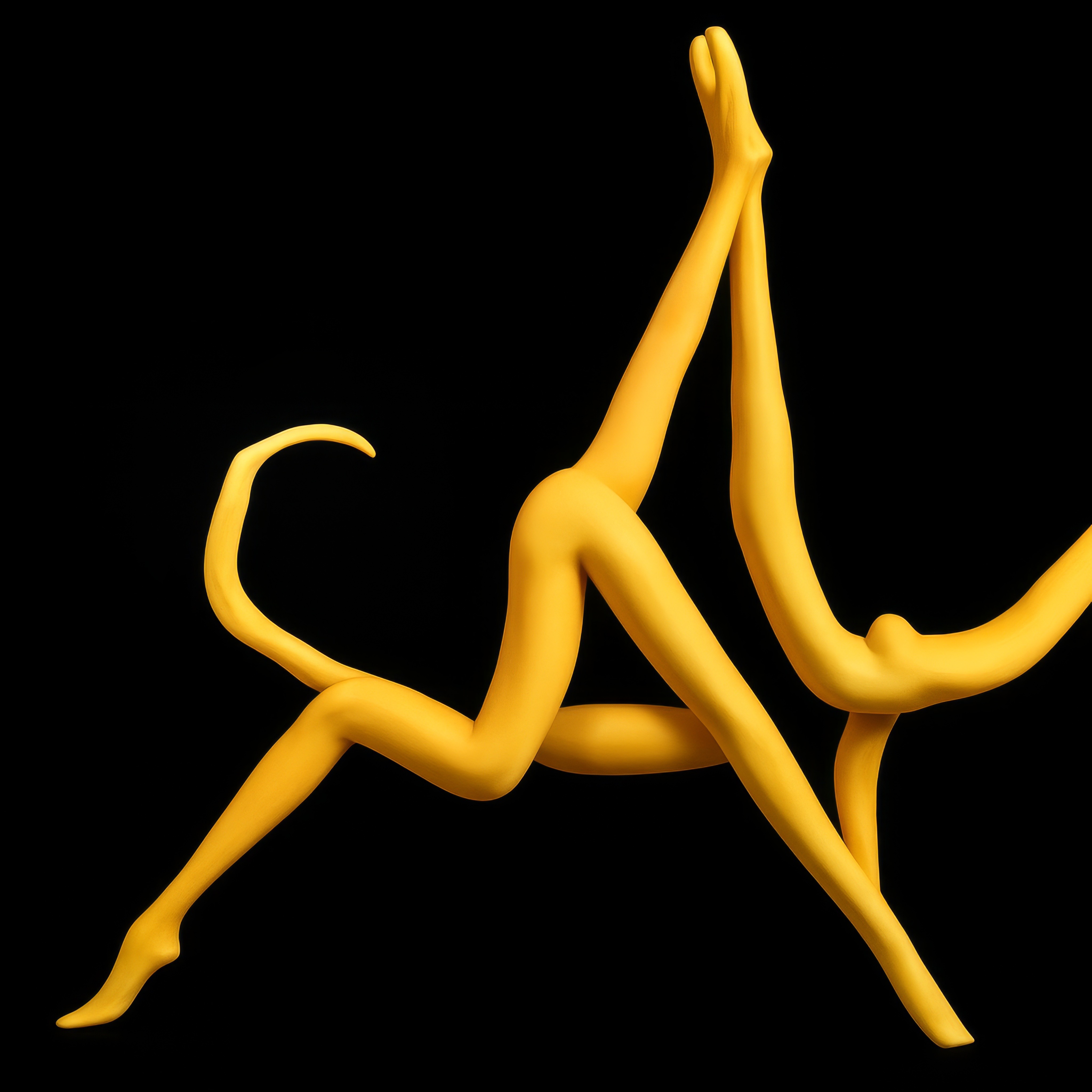
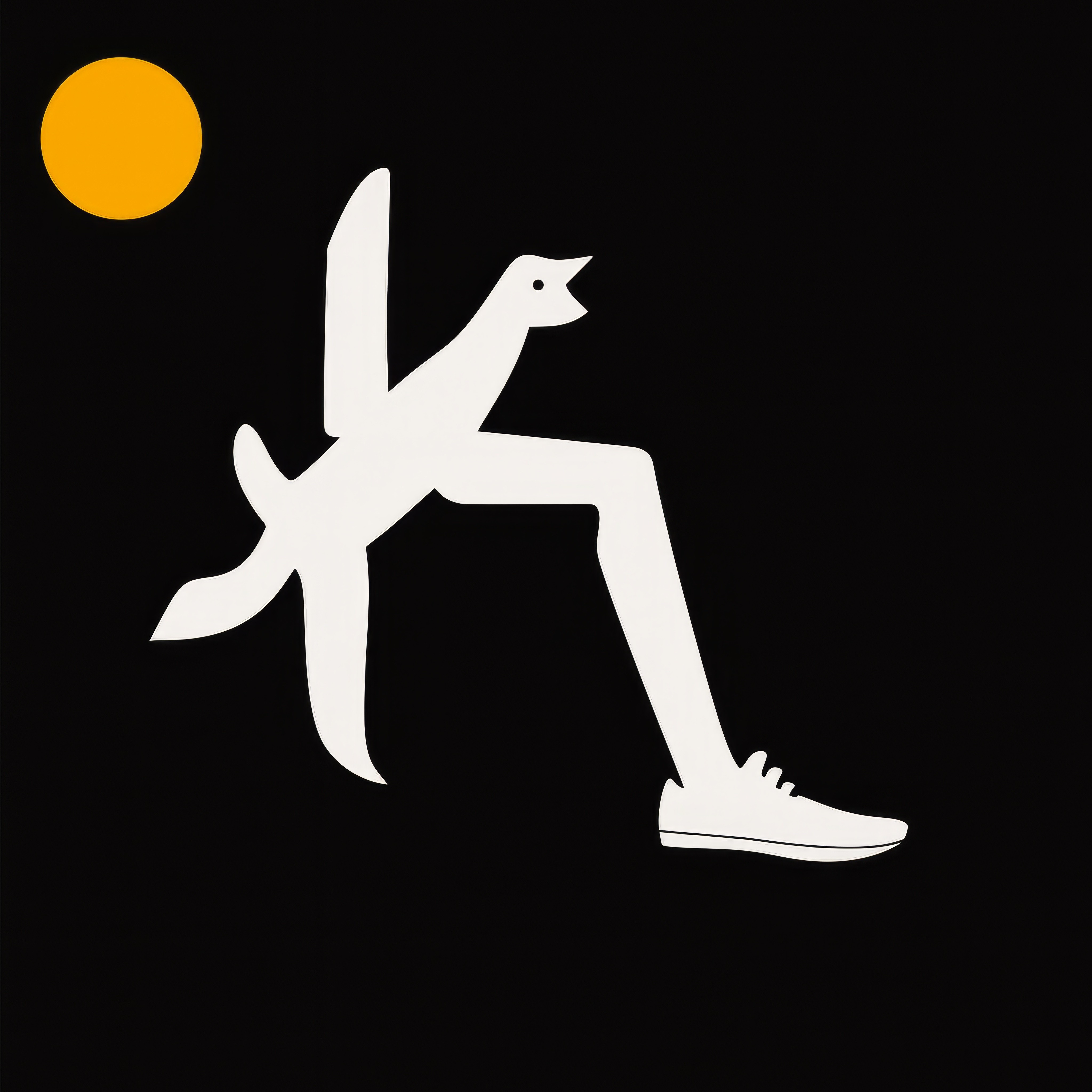
Once upon a time, logos were labours of love—crafted through coffee-fuelled brainstorms and passionate debates over whether that curve was “just right.” Fast forward to 2030: type in 30 keywords, upload a few context images, and BAM! your logo’s done before your coffee’s even brewed. It’s fast, affordable, and eco-friendly. What’s not to love?
Well… in this design speed-run, we risk losing the soul. Logos become ultra-clean, hyper-minimal, and totally forgettable. Every brand starts to look like it shops at the same AI-generated design boutique. Designers? They’re still around sipping oat lattes, watching AI sketch, and occasionally whispering, “make it bolder.”
No, this isn’t the future we’d want to work in. Relying too much on AI shifts the role of the designer, from creative thinker to prompt technician. Fewer designers will be needed, and the craft becomes less about ideas and more about inputs. Faster isn’t always better, especially when it flattens what makes design human.
Once upon a time, logos were labours of love—crafted through coffee-fuelled brainstorms and passionate debates over whether that curve was “just right.” Fast forward to 2030: type in 30 keywords, upload a few context images, and BAM! your logo’s done before your coffee’s even brewed. It’s fast, affordable, and eco-friendly. What’s not to love?
Well… in this design speed-run, we risk losing the soul. Logos become ultra-clean, hyper-minimal, and totally forgettable. Every brand starts to look like it shops at the same AI-generated design boutique. Designers? They’re still around sipping oat lattes, watching AI sketch, and occasionally whispering, “make it bolder.”
No, this isn’t the future we’d want to work in. Relying too much on AI shifts the role of the designer, from creative thinker to prompt technician. Fewer designers will be needed, and the craft becomes less about ideas and more about inputs. Faster isn’t always better, especially when it flattens what makes design human.
Machine D
Machine D
2 Participants
2 Participants
35 Curated Outcomes
35 Curated Outcomes





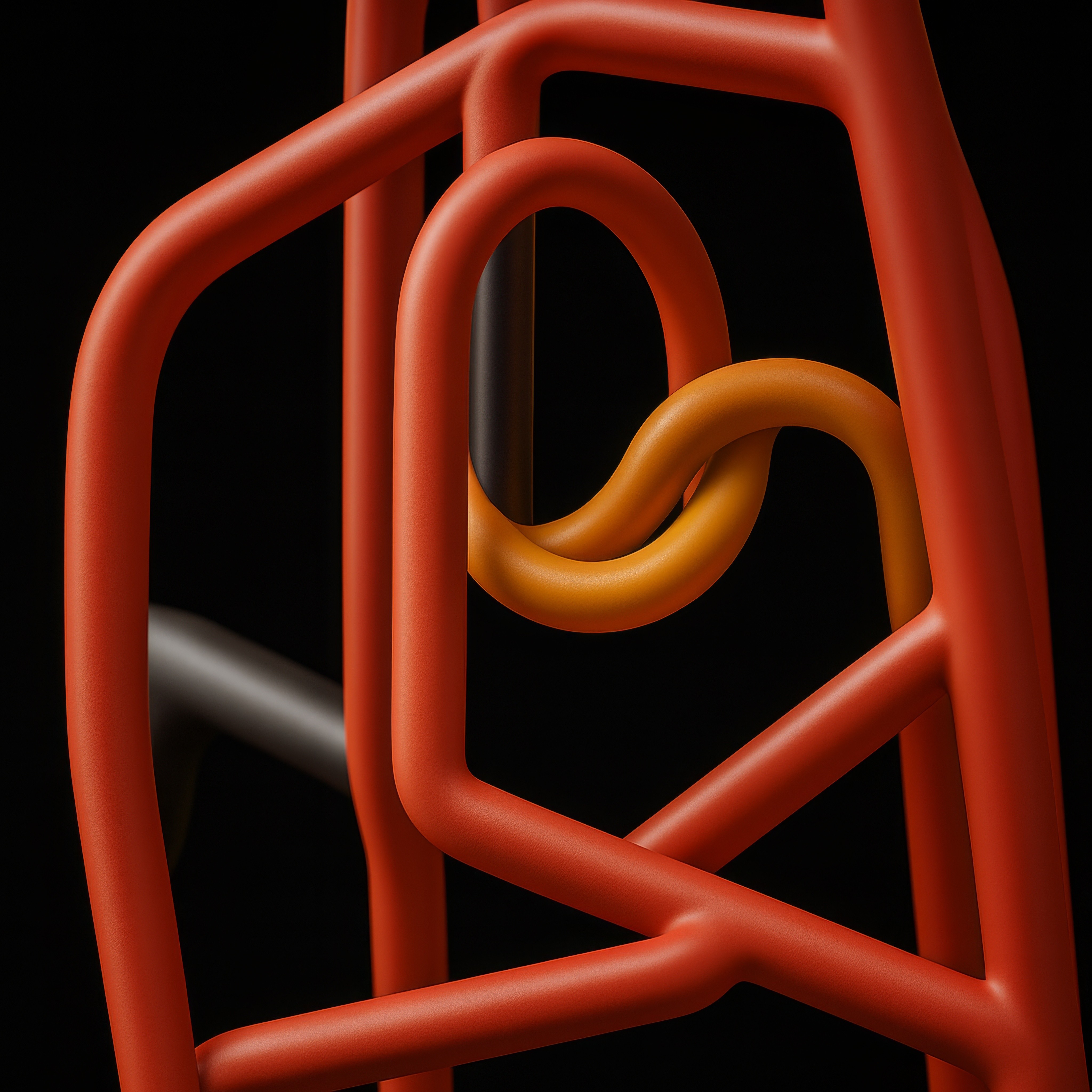
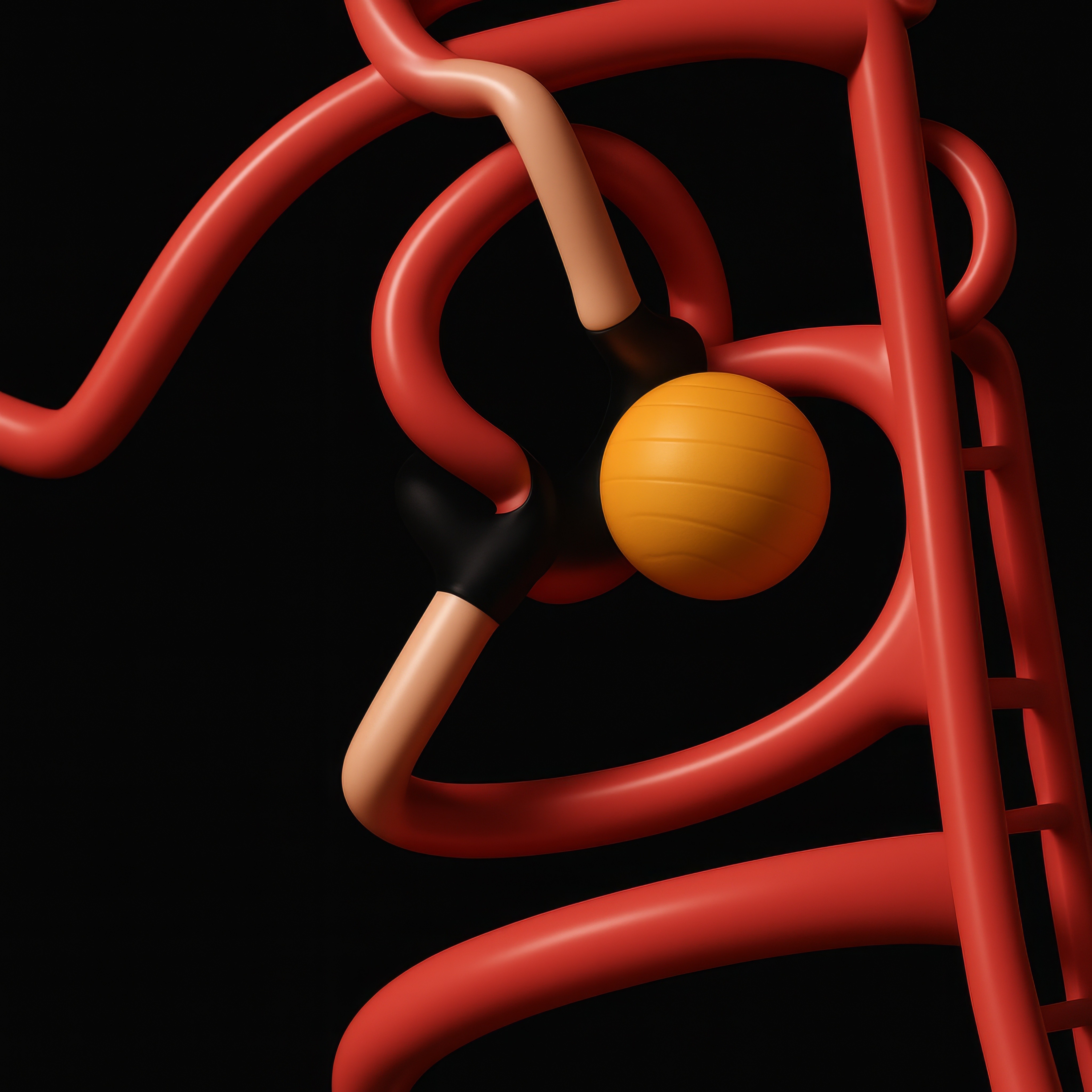


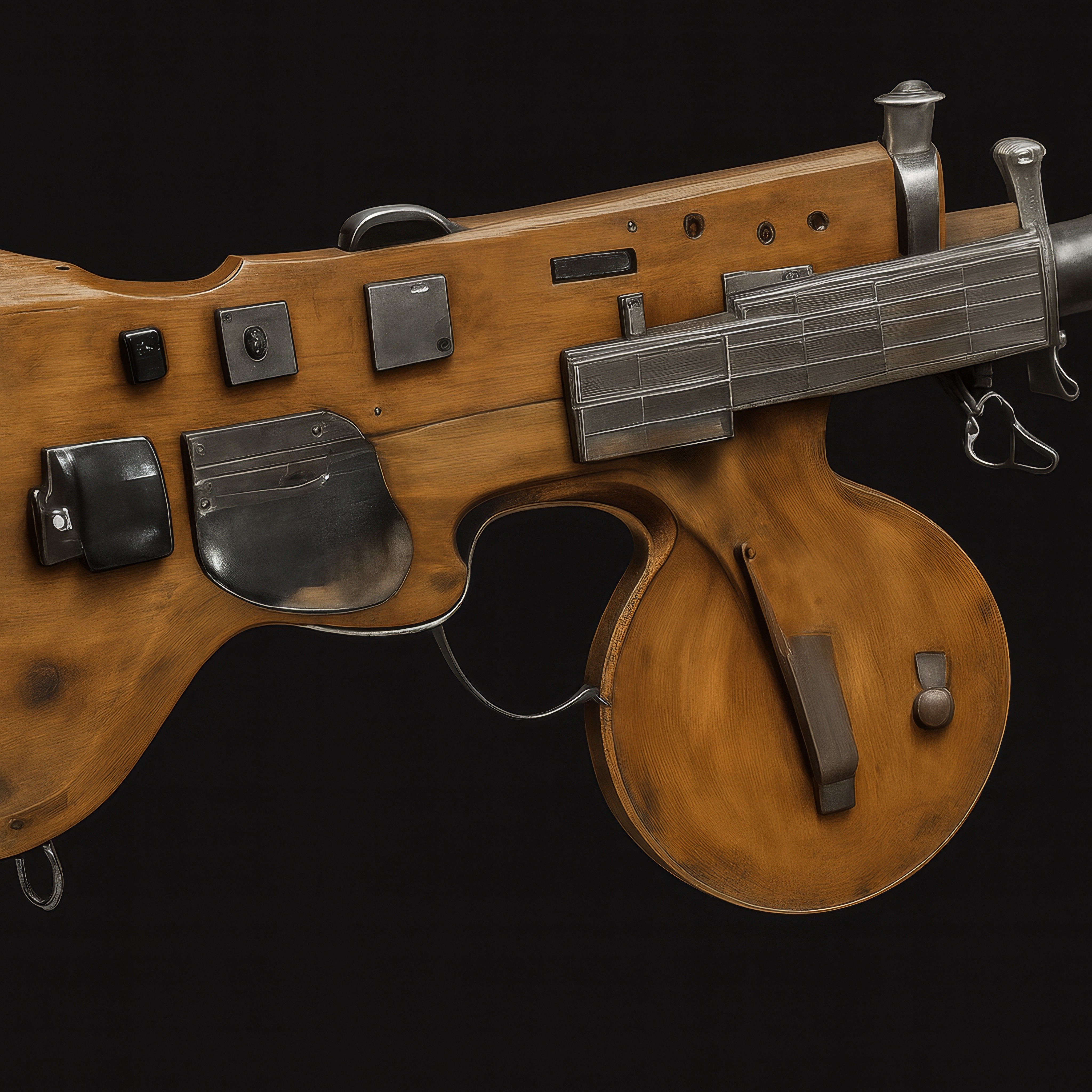
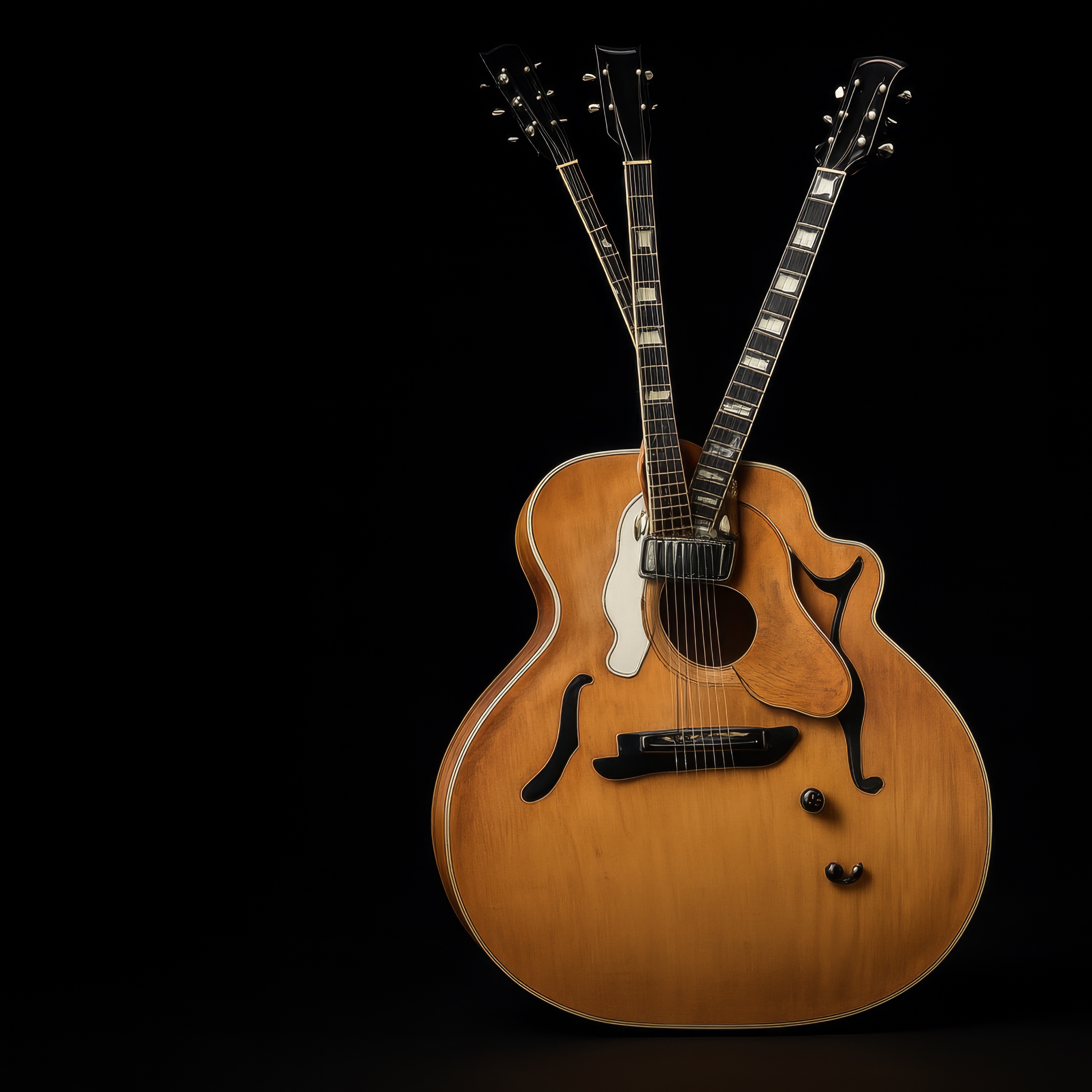
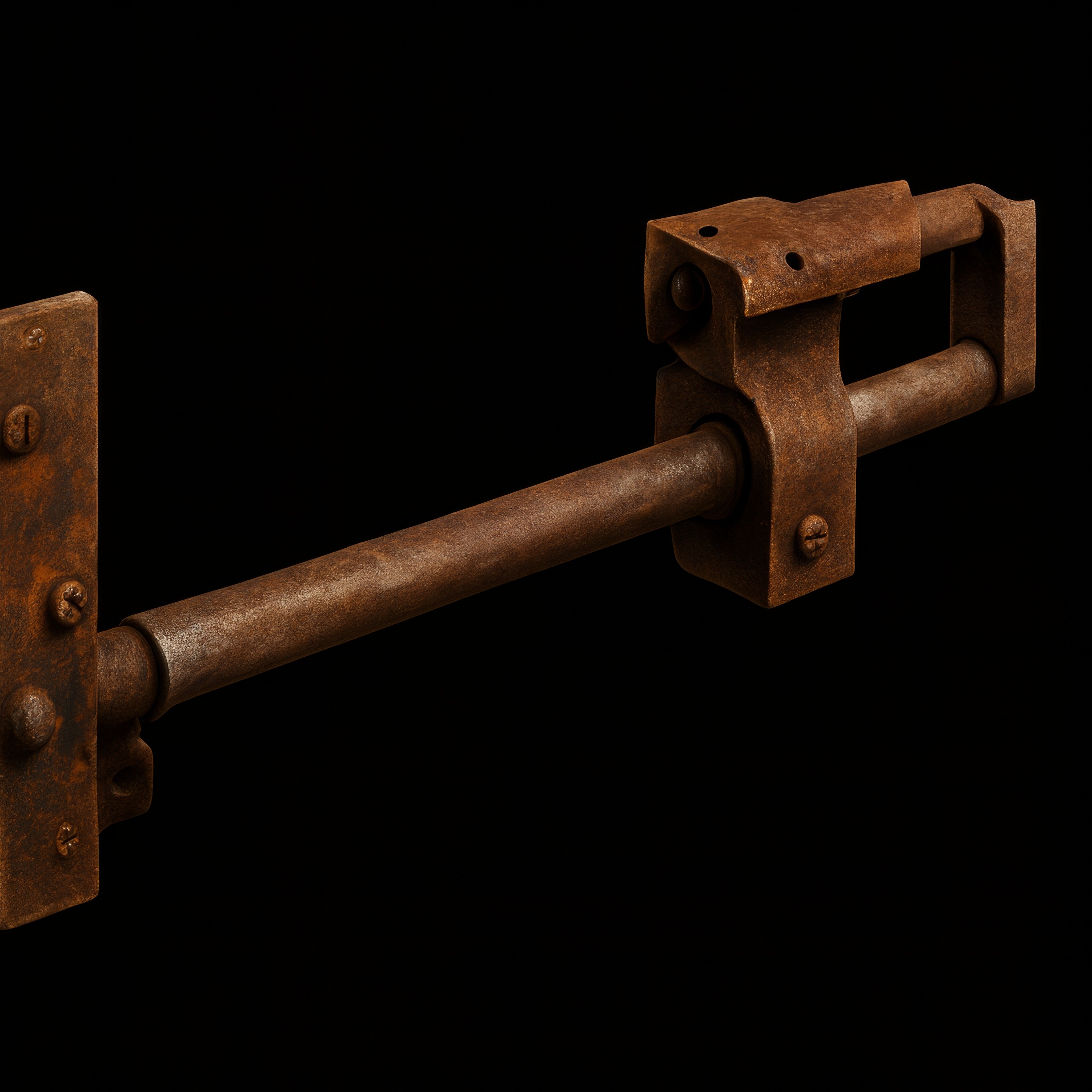
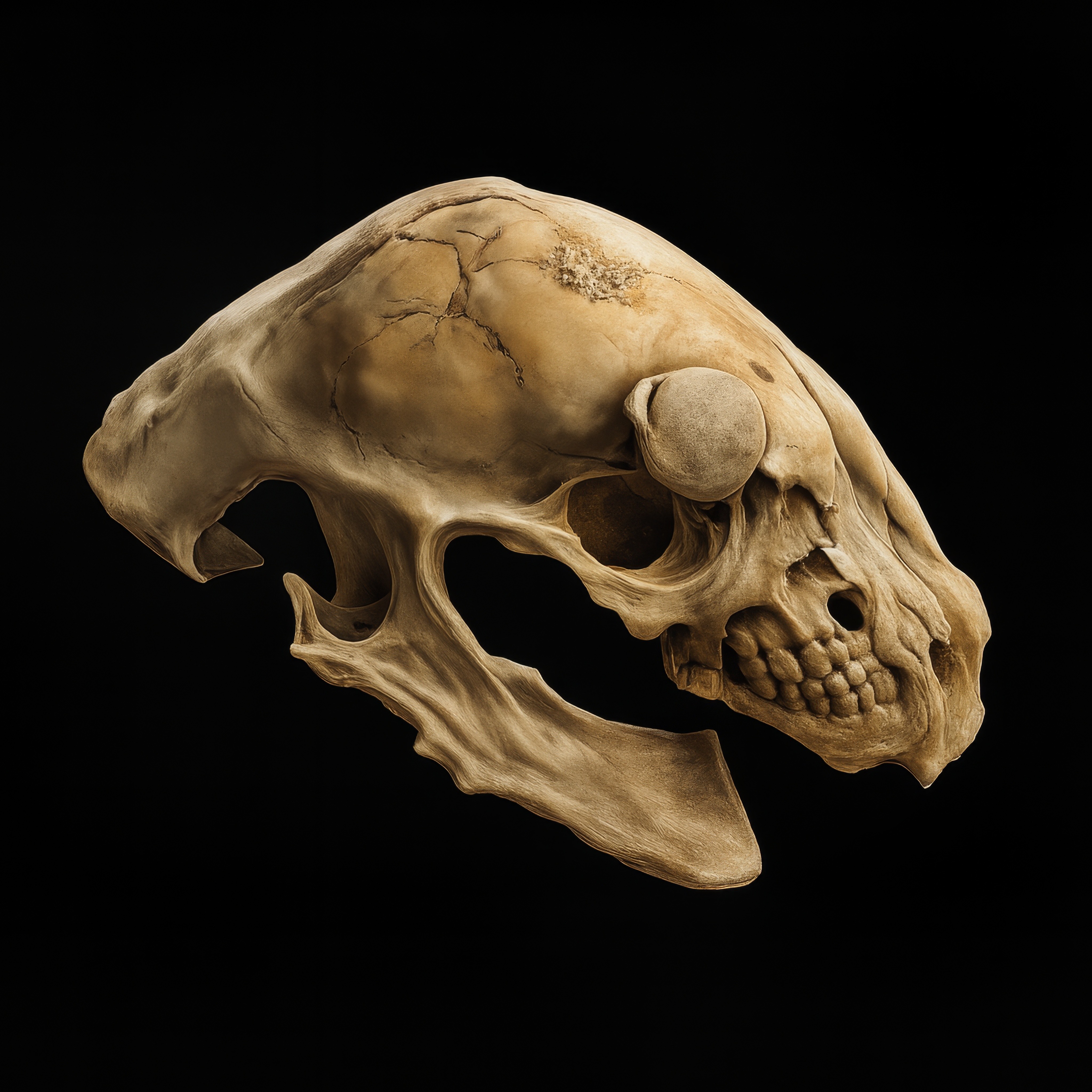
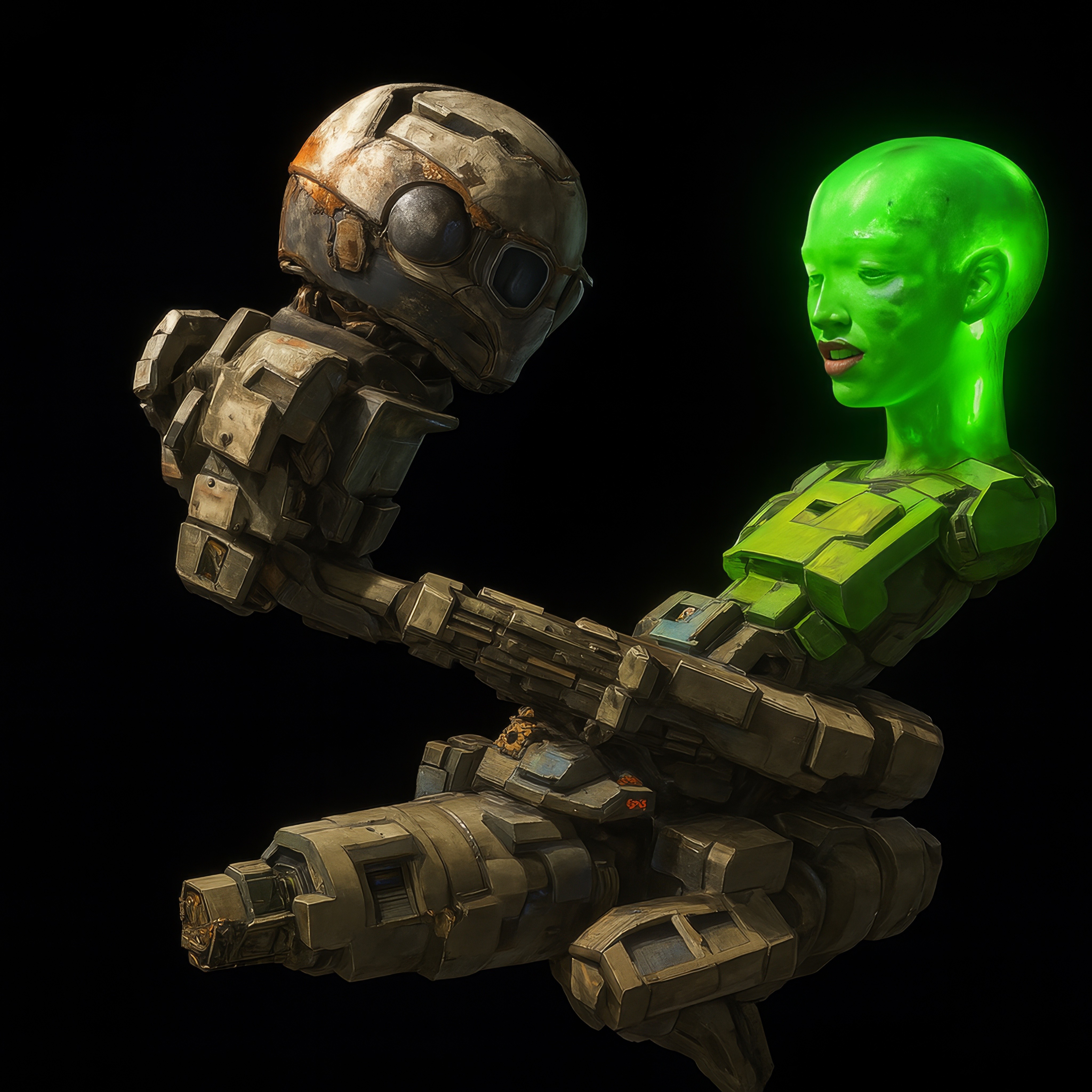
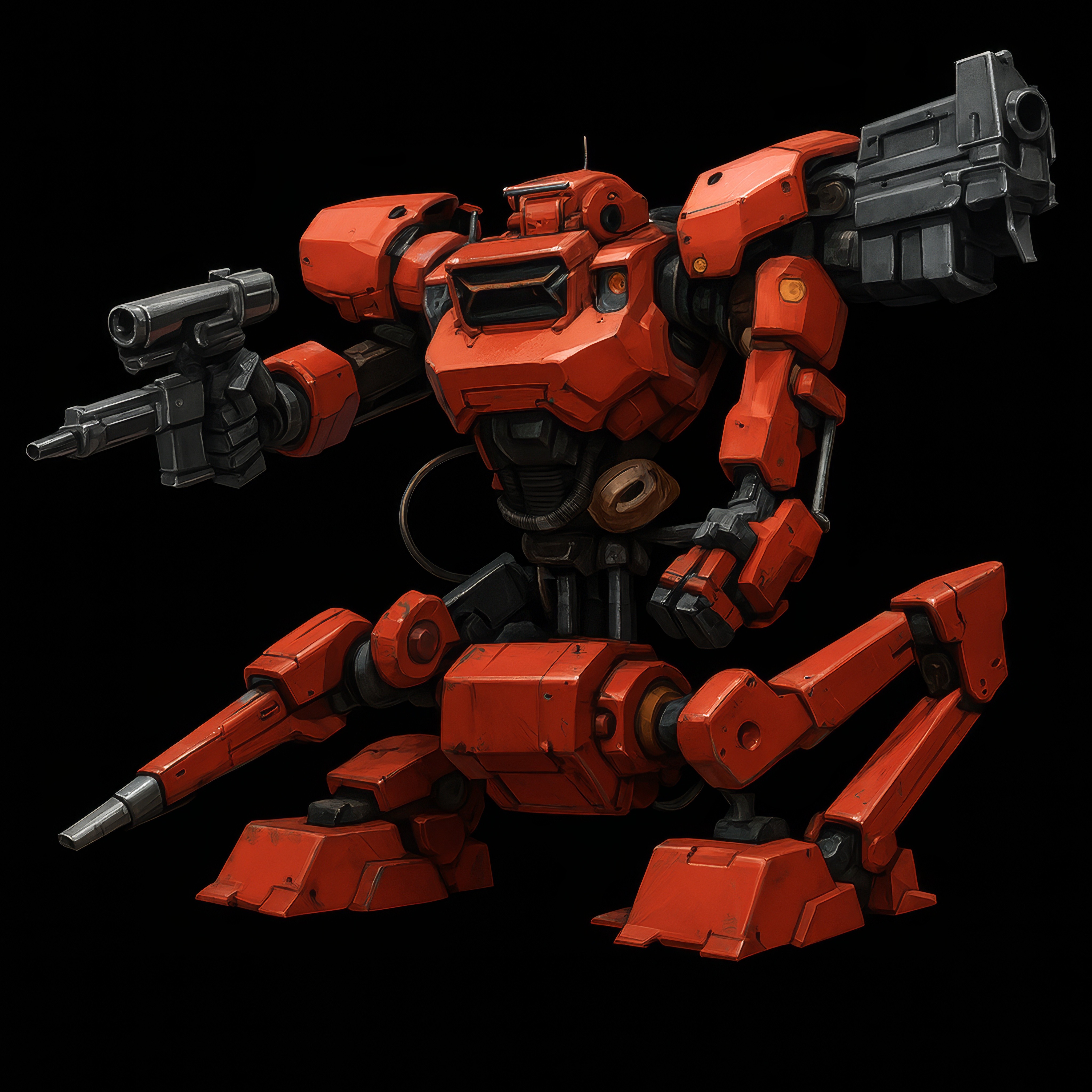
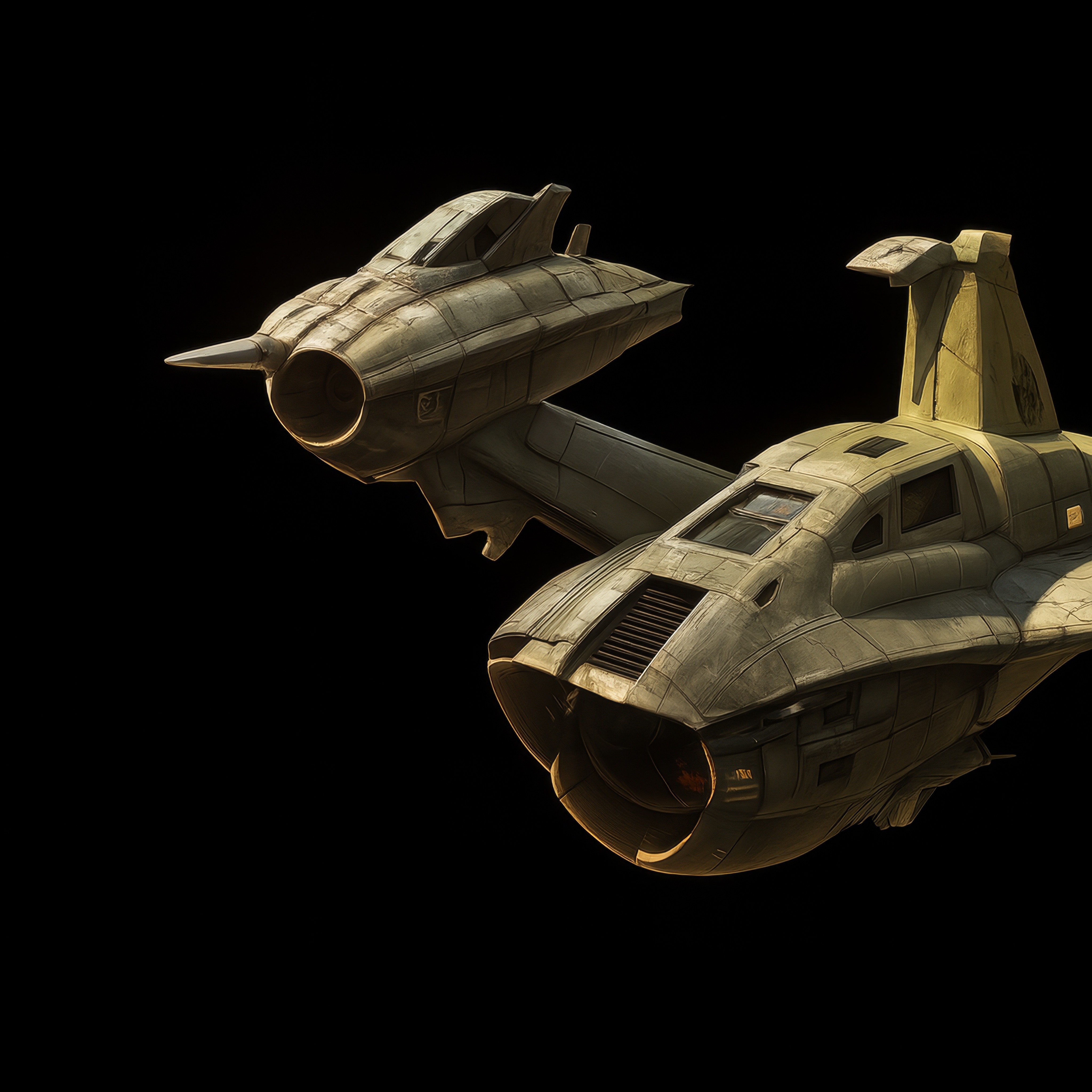

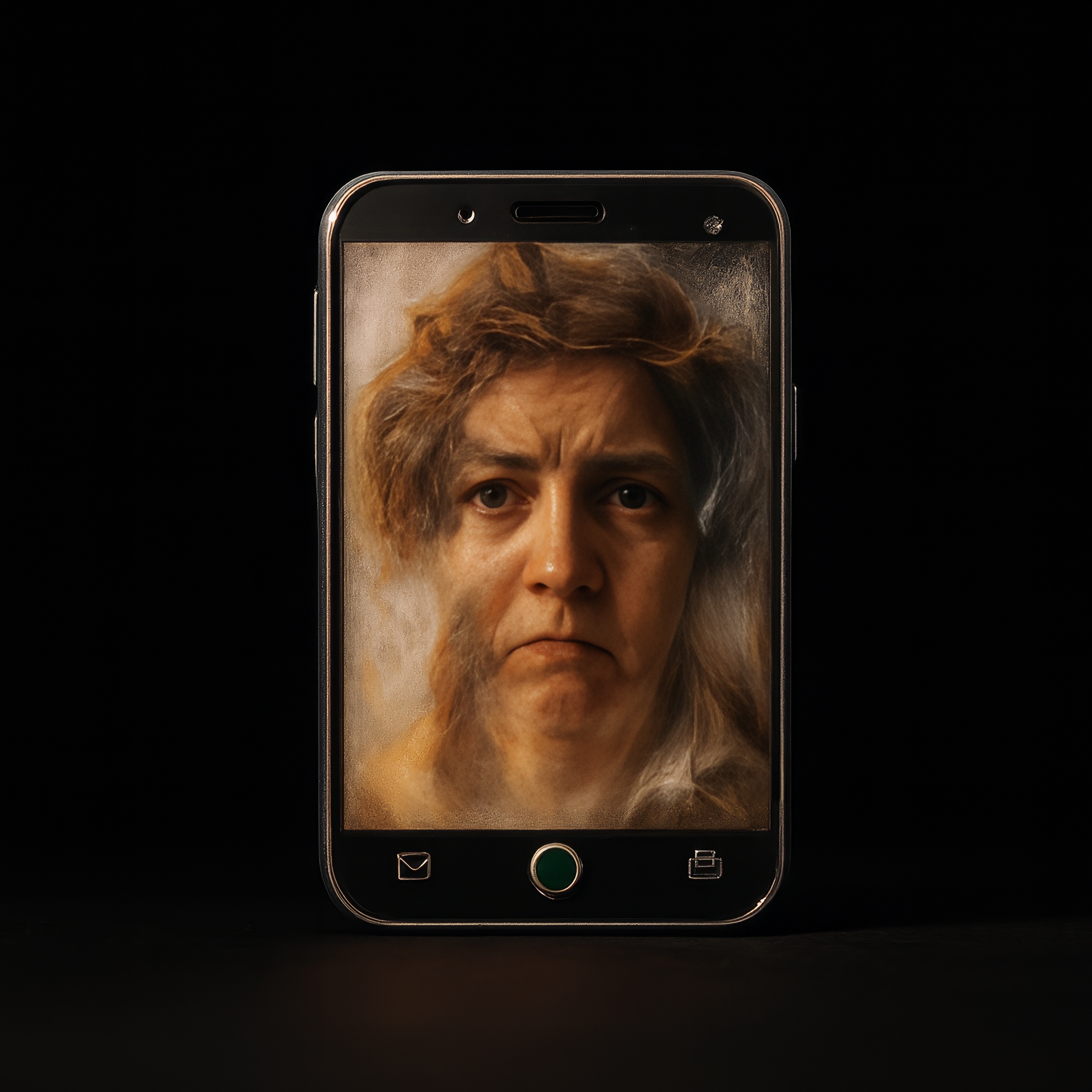




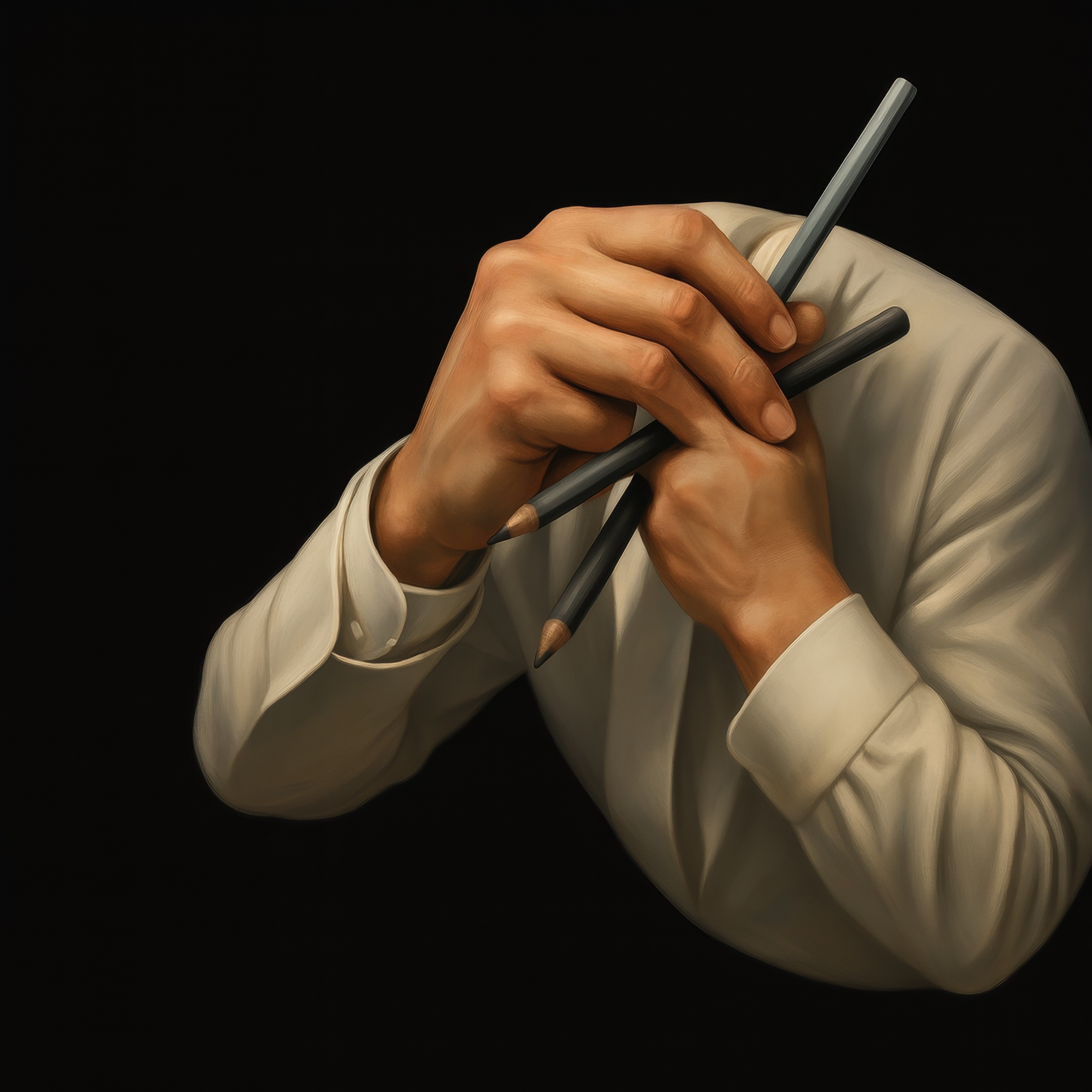

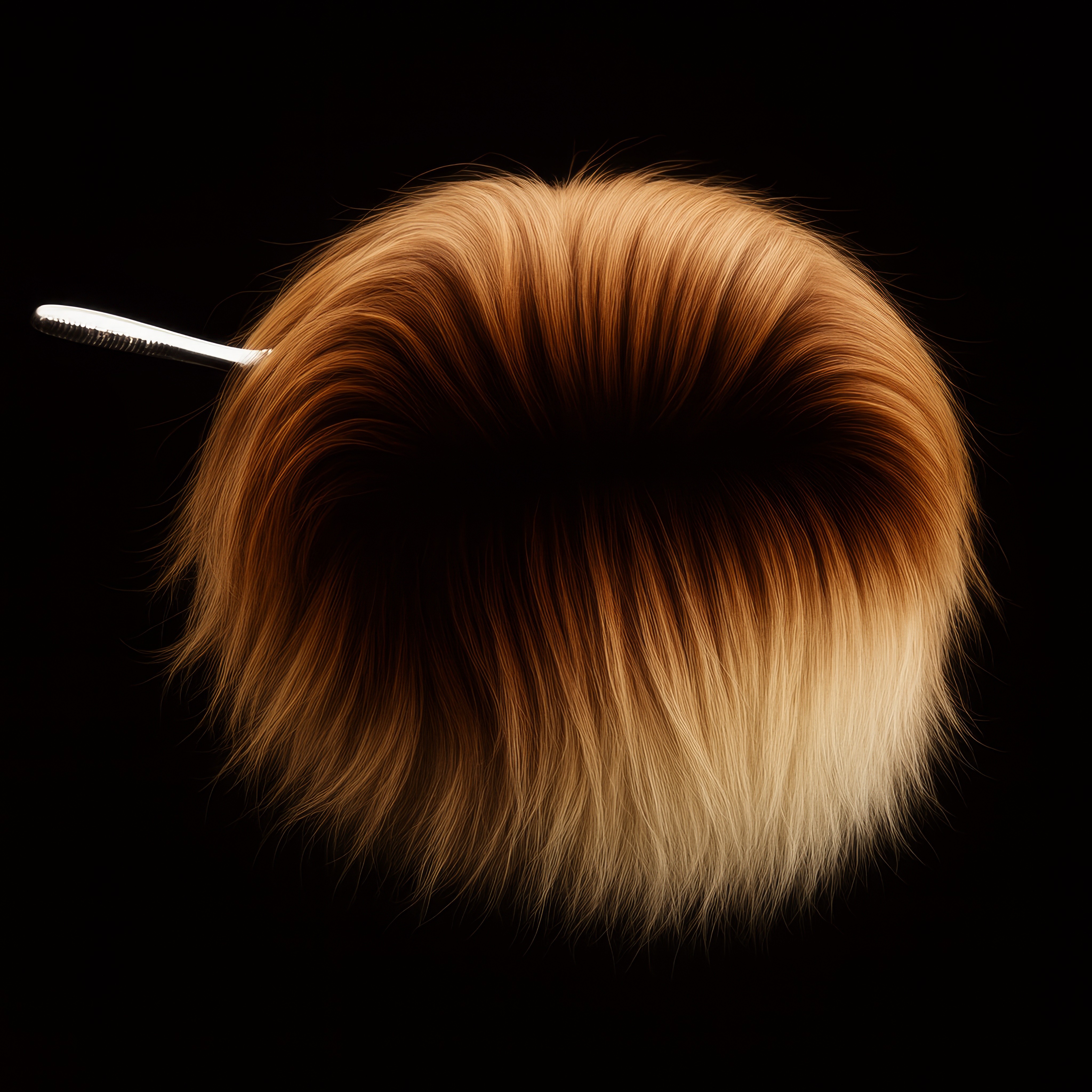
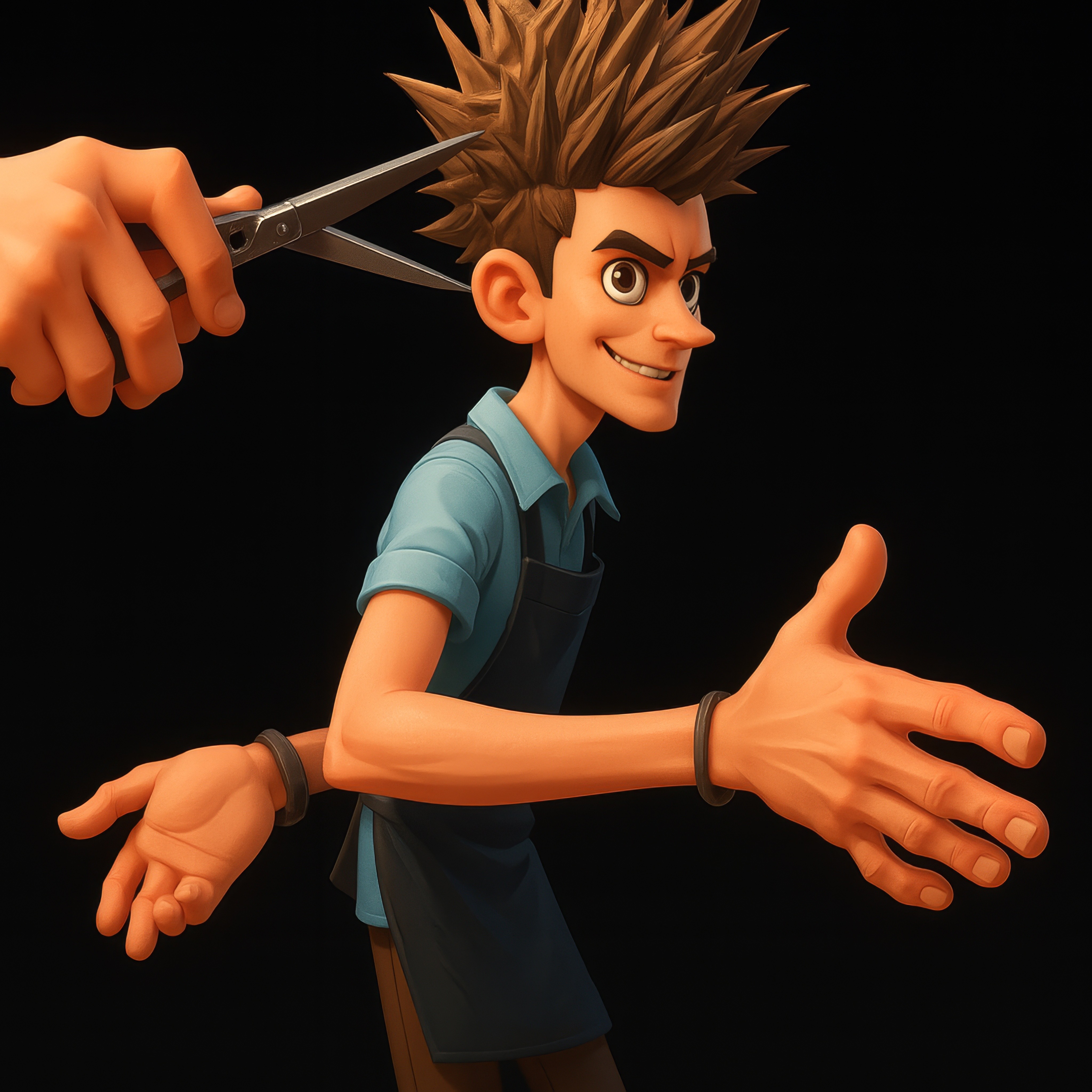


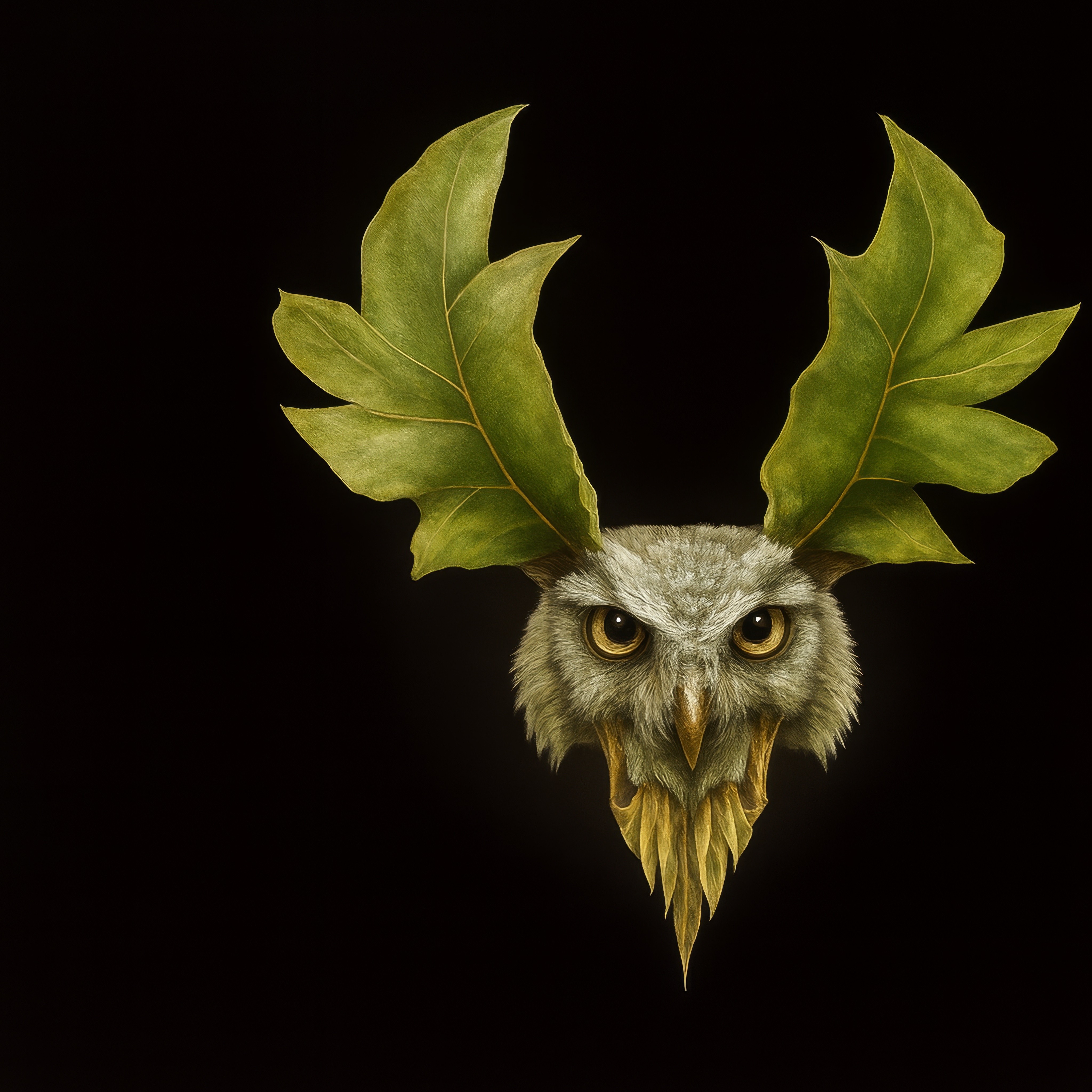


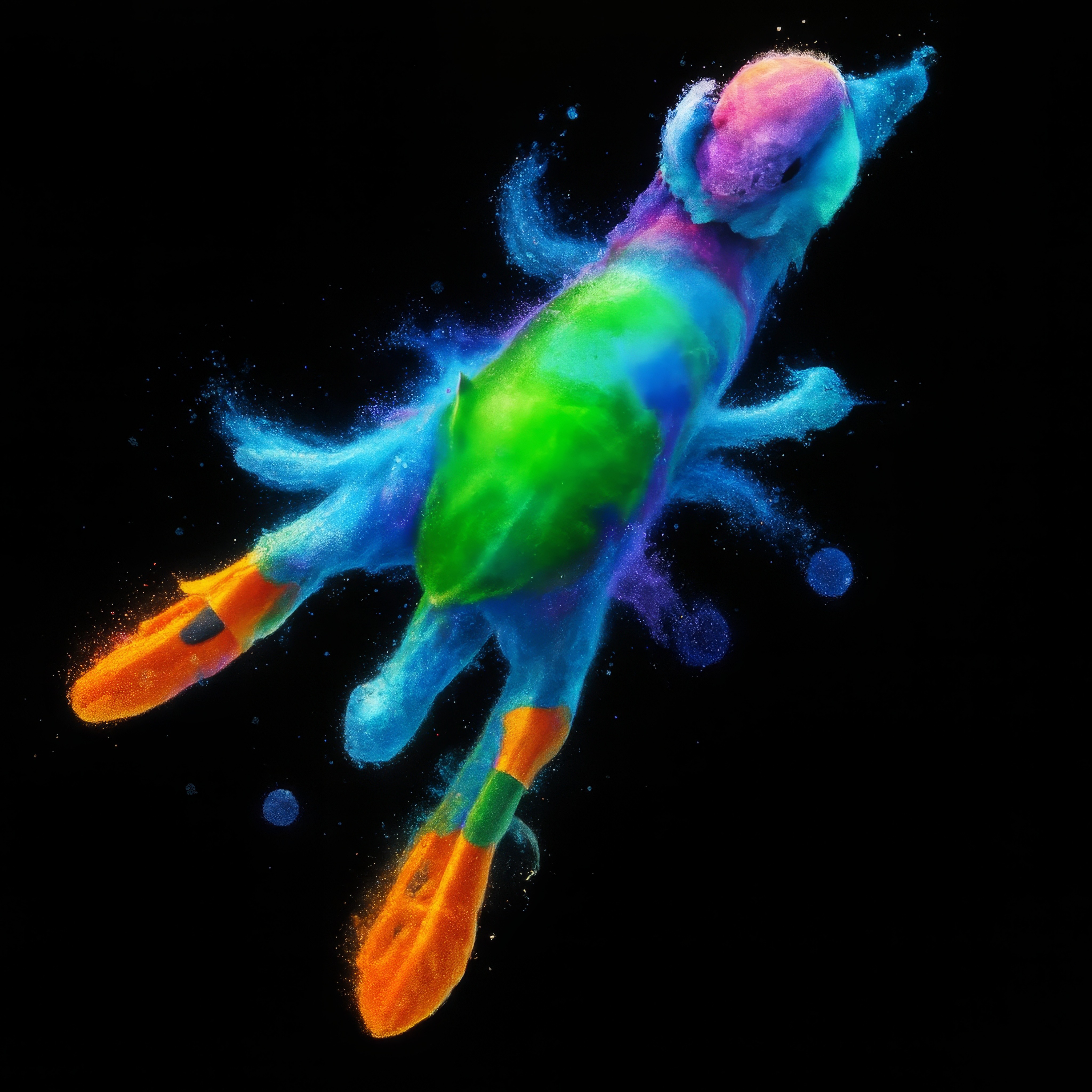
Speculative Scernario
Speculative Scernario
Image Generated in GPT-4o
Image Generated in GPT-4o
Narrative Crafted by Humans
Narrative Crafted by Humans
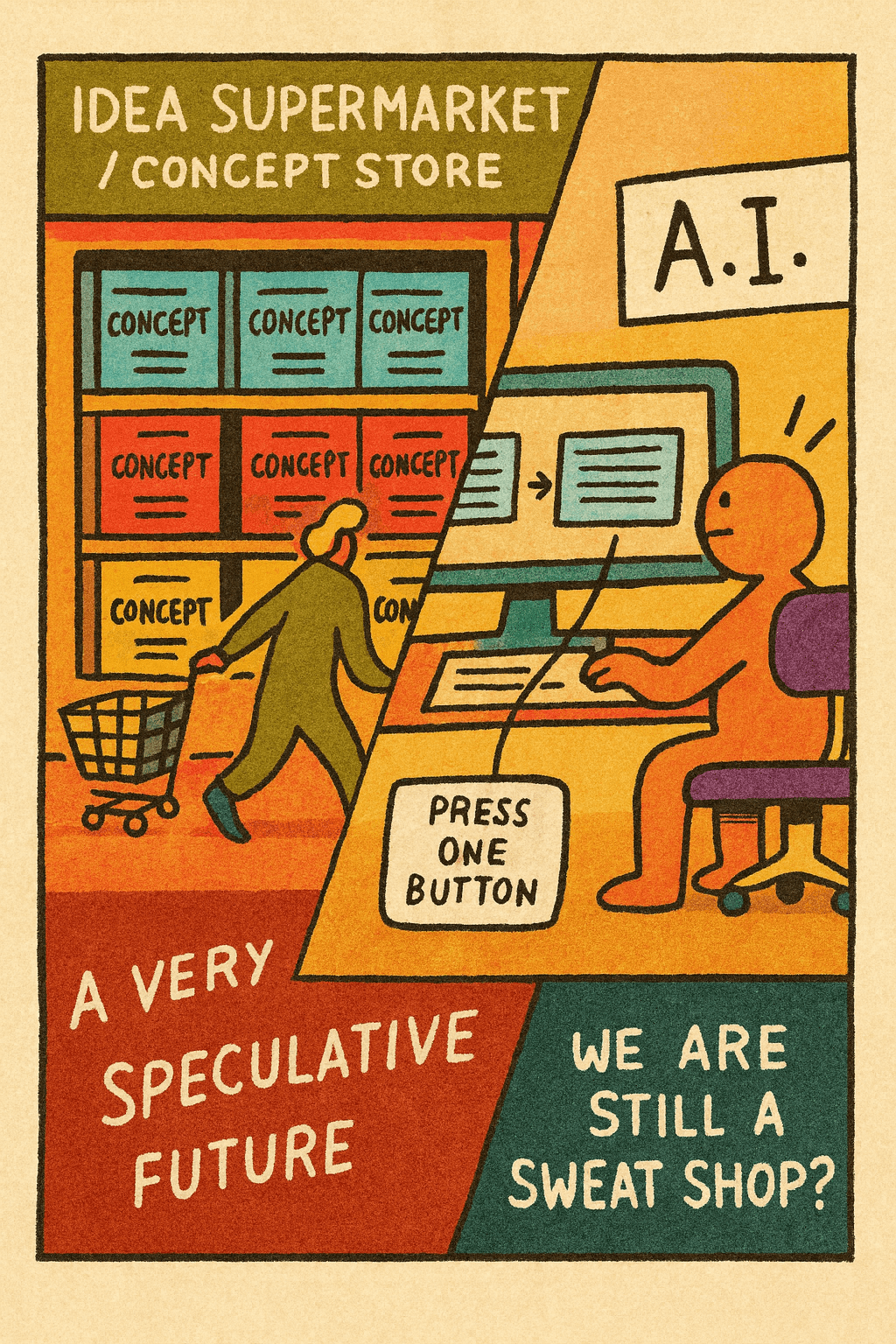
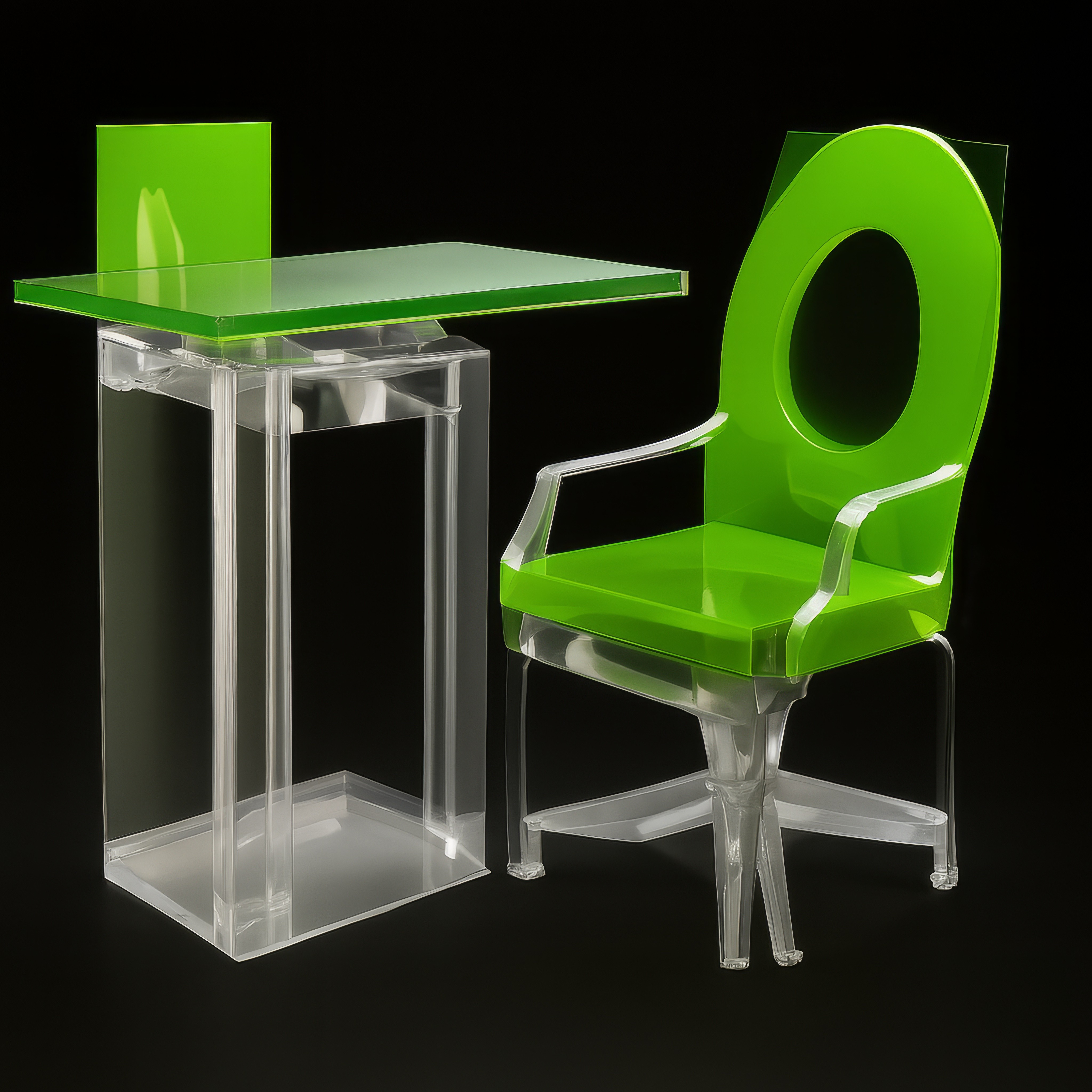
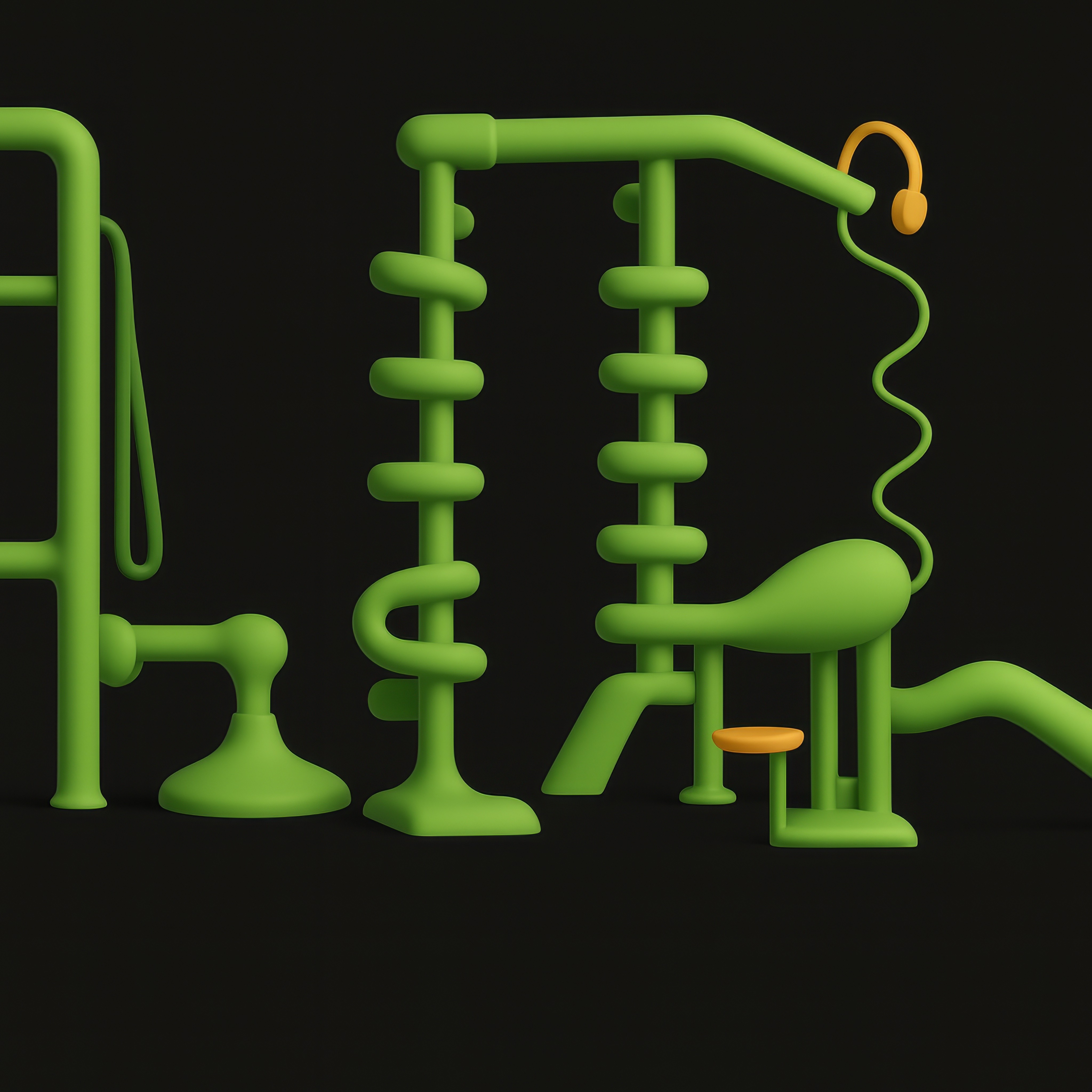
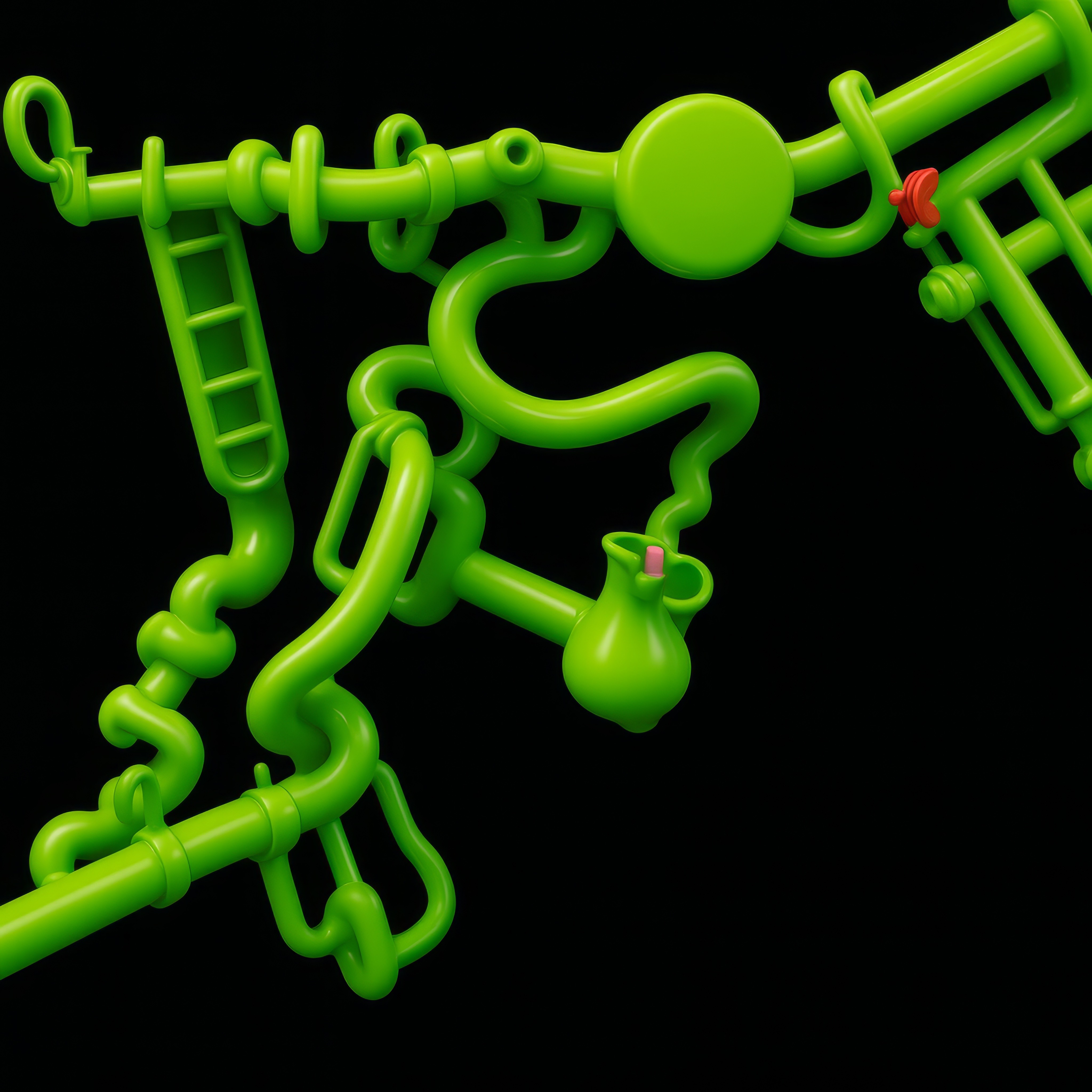
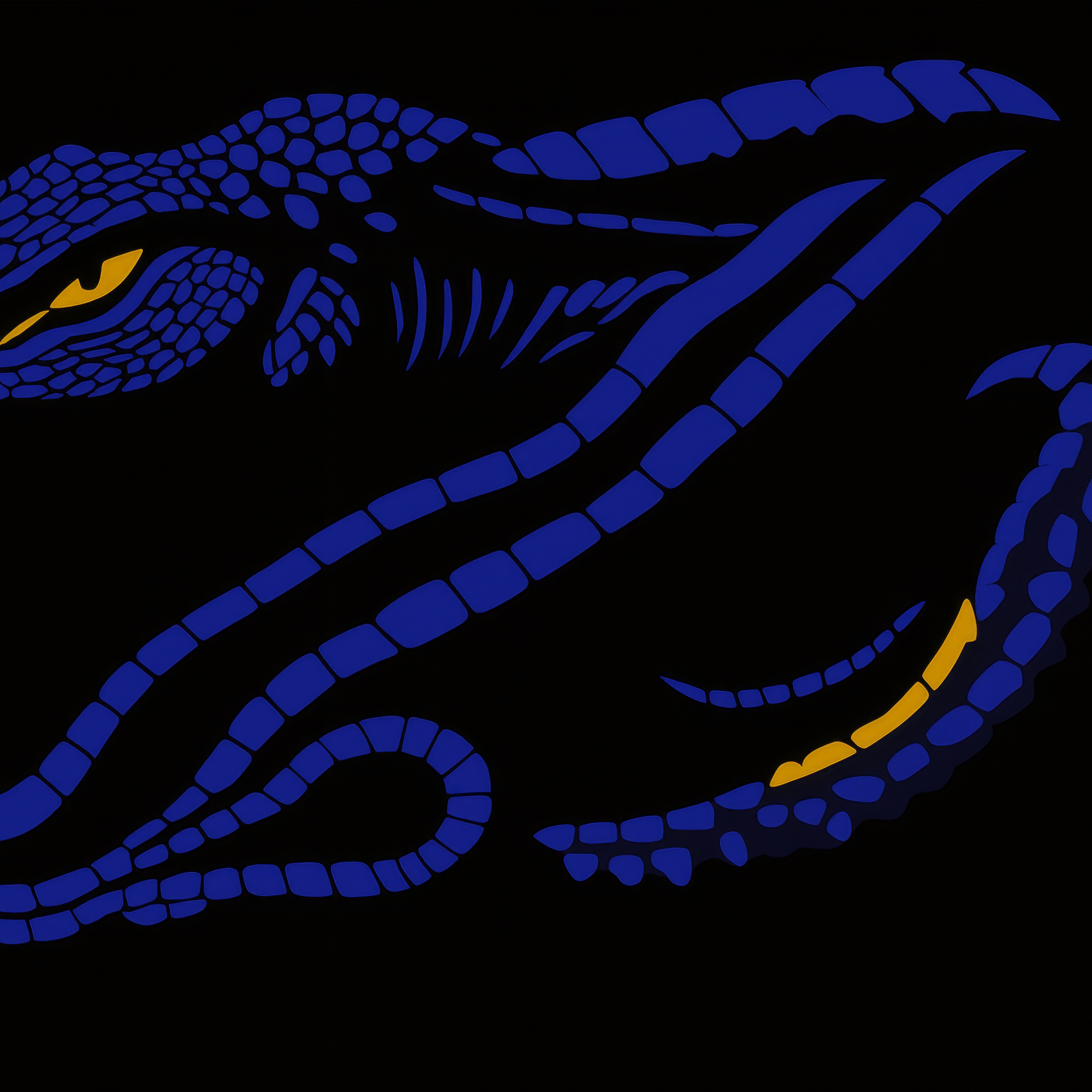
In 2030, creative designers no longer brainstorm or develop ideas from scratch. Instead, they buy ready-made ideas sorted into categories based on the type of project they’re working on.
This is not a future I would want to be part of. It takes away critical thinking and creativity from the design process. Designers become passive consumers rather than active creators. The roles should be reversed—designers should lead the process, not rely on pre-packaged solutions.
In 2030, creative designers no longer brainstorm or develop ideas from scratch. Instead, they buy ready-made ideas sorted into categories based on the type of project they’re working on.
This is not a future I would want to be part of. It takes away critical thinking and creativity from the design process. Designers become passive consumers rather than active creators. The roles should be reversed—designers should lead the process, not rely on pre-packaged solutions.